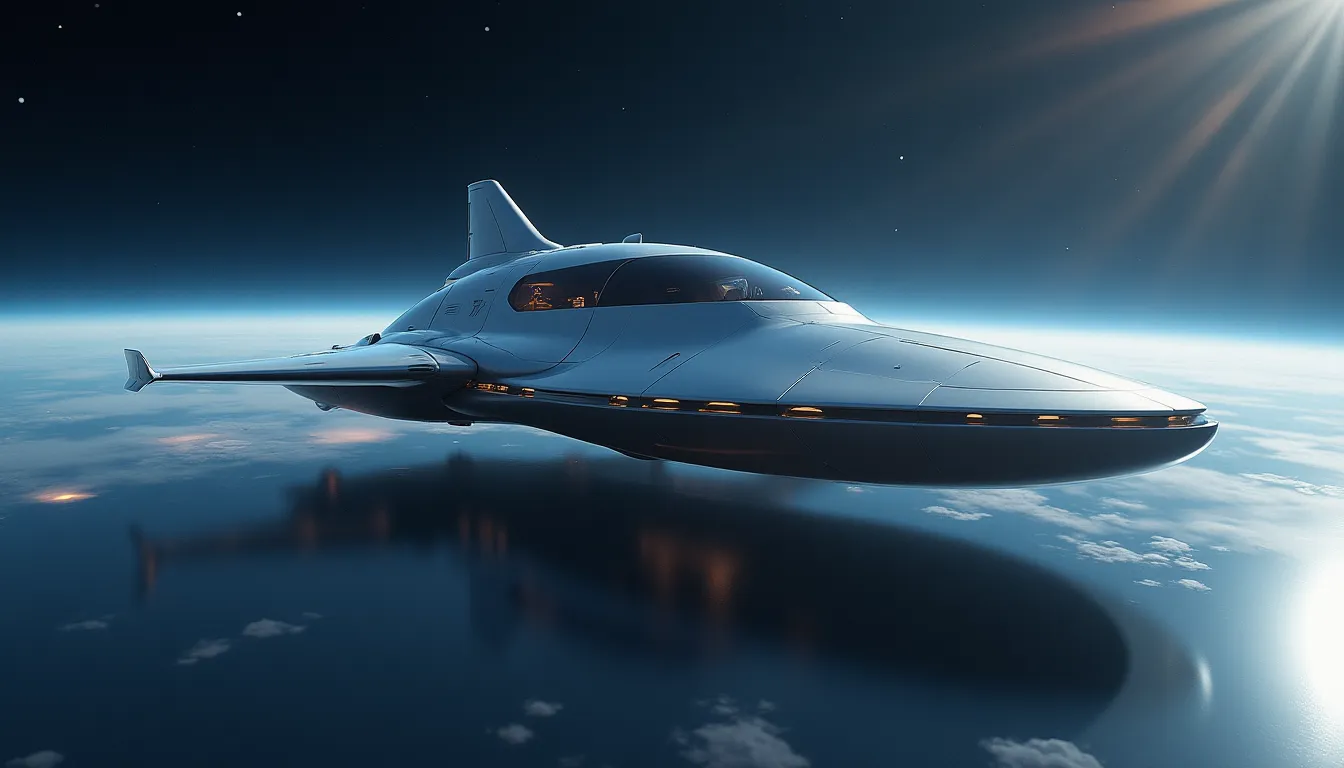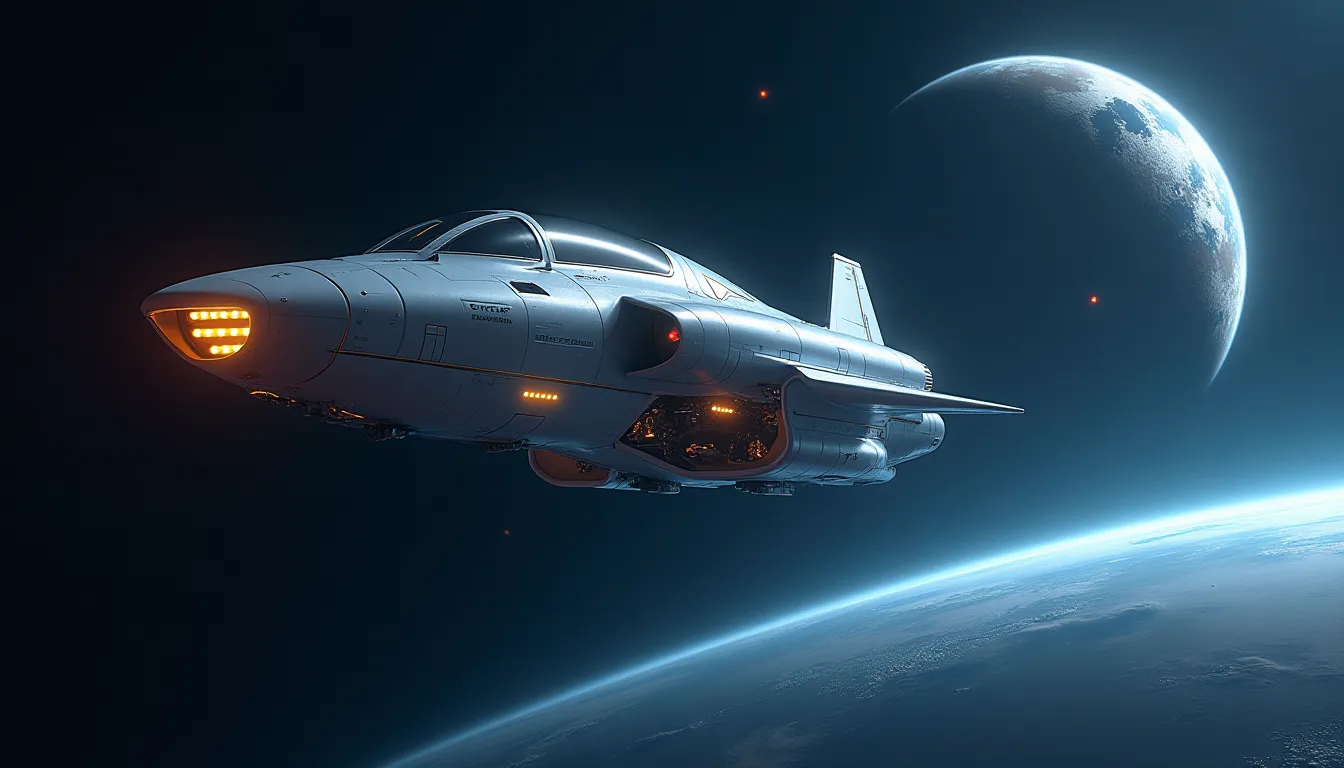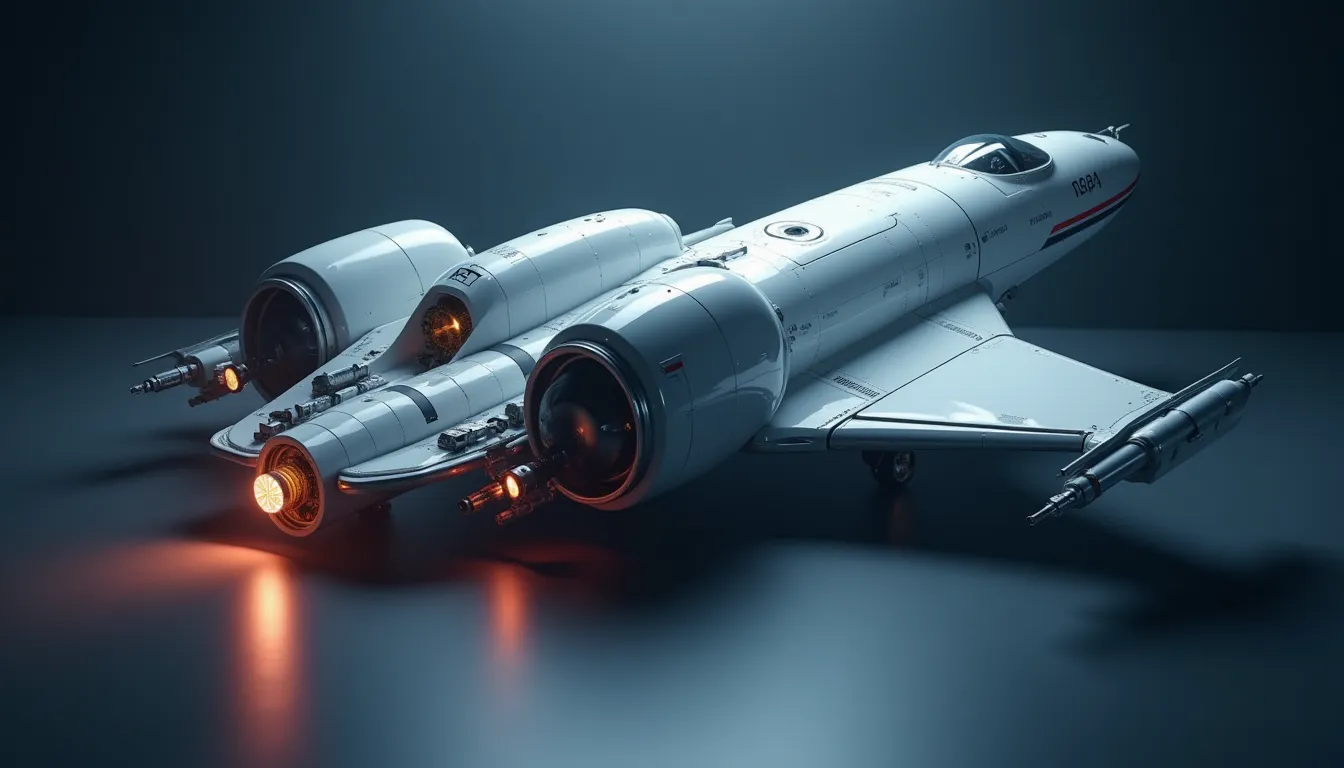
The aerospace industry is witnessing a transformative era marked by groundbreaking advancements in spacecraft technology. As the landscape shifts towards commercial space travel and deep-space exploration, key innovations such as reusable launch vehicles, distributed space systems, and AI-driven autonomy are becoming pivotal. This article delves into these developments and their implications for the future of space missions.
Reusable Rocket Technology Dominance
In recent years, reusable rocket technology has emerged as a cornerstone of the NewSpace economy. Companies like SpaceX have successfully implemented reusable rocket stages, drastically reducing the cost of space travel. By landing and recovering first-stage boosters, SpaceX has demonstrated that reusability is not only feasible but also essential for making space more accessible.
The impact of this technology is profound. According to industry experts, reusable rockets can lower launch costs by up to 90%, shifting the paradigm from government-owned systems to a more competitive, private sector-driven model. This transition is enabling a broader range of entities to participate in space exploration, including startups and international partners.
Distributed and Proliferated Space Architectures
Lockheed Martin emphasizes the importance of distributed space systems, where multiple spacecraft collaborate to achieve objectives that a single unit cannot. This proliferation of satellite architectures enhances resilience in navigation and military communications, ensuring that systems remain operational even if one or more components fail.
As space becomes increasingly congested, these distributed architectures offer a solution to complex problems, allowing spacecraft to work together seamlessly. The integration of advanced navigation systems, such as high-performance MEMS accelerometers, ensures that these systems maintain superior stability and precision, critical for mission success.
AI-Driven Autonomy and Cybersecurity
Artificial Intelligence (AI) is revolutionizing how spacecraft operate, particularly in deep-space missions where communication delays make real-time control impractical. The adoption of agentic AI allows spacecraft to make autonomous decisions, responding to unexpected challenges without human intervention.
In addition to operational capabilities, cybersecurity is becoming a priority. AI-driven threat detection systems are being integrated into next-generation spacecraft to safeguard against potential cyber threats, ensuring that military communications and navigation systems remain secure.
Next-Generation Propulsion Technologies
NASA’s latest advancements in propulsion technology include the testing of a lithium-fed thruster, designed to support crewed missions to Mars. This innovative propulsion method not only enhances thrust capabilities but also reduces fuel dependency, paving the way for sustainable deep-space exploration.
Moreover, research into solar sails, electric propulsion, and nuclear power for on-orbit assembly is gaining momentum. These technologies represent a shift towards more efficient and versatile spacecraft systems that can support extended missions beyond Earth’s orbit.
On-Orbit Servicing and Manufacturing (ISAM)
On-orbit servicing, repair, and manufacturing technologies are making significant strides, with autonomous free-flying robots such as Voyager and Icarus Robotics testing capabilities aboard the International Space Station (ISS). These advancements enable the assembly and repair of spacecraft in space, reducing the need for costly returns to Earth for maintenance.
The integration of advanced sensor modules, including 9-DOF MEMS IMUs, enhances the precision of these robotic systems, allowing for exceptional motion sensing capabilities necessary for intricate tasks in the harsh environment of space.
Additive Manufacturing and Lightweight Materials
The adoption of additive manufacturing, or 3D printing, is revolutionizing spacecraft design and production. By creating lightweight components from advanced materials like carbon composites, manufacturers can significantly reduce the overall mass of spacecraft, leading to improved fuel efficiency and payload capacity.
This manufacturing technique not only streamlines production but also allows for rapid prototyping and customization of spacecraft parts, which is essential for meeting the evolving demands of space missions.
Conclusion
As we look to the future of space exploration, the ongoing advancements in spacecraft technology promise to unlock new possibilities for both human and robotic missions. The integration of reusable systems, AI-driven autonomy, and innovative propulsion methods will be critical in overcoming the challenges of deep-space exploration. With continued investment and innovation, the next decade will likely witness unprecedented achievements in our quest to explore the cosmos.
The aerospace industry stands on the brink of a new era, where technology and collaboration will redefine our understanding of what is possible in space.
References
-
Space - Stanford Emerging Technology Review (setr.stanford.edu) - 5/1/2026 KEY DEVELOPMENTS. One major development is the increased use of distributed space systems comprised of multiple spacecraft that interact and work together to … By definition, space technology is any technology developed for the purpose of conducting or supporting activities beyond the Kármán line (i.e., one hundred kilometers or sixty-two miles above the Earth’s surface). Space systems can be crewed (e.g., the International Space Station, SpaceX Dragon) or uncrewed (e.g., telecommunication and navigation satellites). They also vary in size from large structures like the International Space Station (420 tons mass) to small and micro satellites that can weigh less than ten kilograms and are about the size of a loaf of bread. Today, a large majority of functional satellites in space weigh between one hundred and one thousand kilograms, less than the weight of a motorcycle. … One major development is the increased use of distributed space systems comprised of multiple spacecraft that interact and work together to accomplish objectives that would be difficult or impossible with a single spacecraft. There is also an increasing trend toward privatization across most space technologies as the space sector moves away from legacy space technologies owned by governments or large contractors. These legacy systems are characterized by large, expensive spacecraft with long development timelines. Today, a “NewSpace” economy is turning to private companies, creating a global space environment in which systems and services are more accessible and less expensive—and available to all. Governments are also looking to commercial space for new capabilities. … Current applications of space technology include Global Navigation Satellite Systems (GNSS) for position, navigation, and timing services; voice, SMS (short message service), and internet data communications via satellites and lasers; remote sensing to observe locations and conditions on Earth; and national security spacecraft. Future applications of space might include manufacturing materials like pharmaceuticals, optics, and semiconductors in space; mining the Moon and asteroids; capturing energy, generating power, and beaming it to Earth; increased military equipment and presence in space; and in-space logistics, servicing assembly, and manufacturing (ISAM) capabilities.
-
Space Technologies | Aerospace Defense Outlook (aerodefenseoutlook.com) - 4/17/2026 Robots Set to Work Freely in Space as Voyager Backs New ISS Mission … Voyager and Icarus Robotics team up to test an autonomous free-flying robot aboard the…
-
Space Technology Trends Shaping The Future | Lockheed Martin (www.lockheedmartin.com) - 4/8/2026 *Built on Lockheed Martin’s more resilient LM 2100 combat bus, Next Gen GEO adds cyber hardening, higher power and improved propulsion to detect …
-
Human lunar exploration
-
Advanced propulsion systems
-
Proliferated satellite architectures
-
Resilient navigation & military communications
-
Autonomy, AI & cybersecurity
-
Threat detection
-
Quantum technologies
-
On-orbit servicing
-
Commercial services …*
-
This will help shape advanced aerospace technologies for the future … (www.facebook.com) - 3/21/2026 A400M goes tactical and digital with new drone mothership powers, satellite data links, and wildfire suppression tech. https://bit.ly/4lEdWgf. A400M goes tactical and digital with new drone mothership powers, satellite data links, and wildfire suppression tech. https://bit.ly/4lEdWgf.
-
[PDF] Revolutionizing Space Exploration Breakthroughs in Aerospace … (www.hilarispublisher.com) - 4/27/2024 Breakthroughs in aerospace technology have enabled the development of reusable suborbital vehicles designed for short- duration spaceflights. One of the most significant breakthroughs in recent years is the development and successful implementation of reusable rocket technology. Historically, rockets … However, companies like SpaceX have pioneered the concept of reusable rocket stages. By landing and recovering the first stages of rockets, these companies have drastically reduced the cost of space travel. The SpaceX … Moreover, there’s ongoing research into advanced … Solar sails, on the other hand, rely on the pressure of … However, recent breakthroughs in materials science and engineering have led to more innovative and adaptable spacecraft designs. For example, the concept of modular spacecraft, where different components can be assembled in space, enables more flexible mission architectures [2]. … Additionally, advancements in lightweight materials, such as carbon composites, contribute to reducing the overall mass of spacecraft. This reduction in weight is crucial for improving fuel efficiency and increasing payload capacity. Innovative designs, such as inflatable habitats and deployable structures, are also being explored for future space habitats and stations, paving the way for sustainable human presence beyond Earth. The integration of Artificial Intelligence (AI) has become a game-changer in space exploration. AI enables autonomous decision-making, allowing spacecraft to respond to unexpected situations without direct human intervention. This is particularly valuable for deep-space missions where communication delays make real-time control challenging. … The rise of commercial spaceflight companies, such as SpaceX, Blue Origin and Virgin Galactic, has brought space tourism closer to reality. Breakthroughs in aerospace technology have enabled the development of reusable suborbital vehicles designed for short- duration spaceflights. … experience space [4]. … The landscape of space exploration is evolving rapidly, driven by breakthroughs in aerospace technology. From reusable rockets and innovative spacecraft … commercial spaceflight, these developments are shaping the future of human exploration beyond Earth.
-
5 Next-Generation Space Technologies Being Tested Today - NI (www.ni.com) - 3/22/2024 New Space Technology · 1. 3D Printed Components · 2. Reusable Launch Vehicles · 3. Smart Propulsion · 4. Artificial Intelligence · 5. Nanotechnology.
-
Aerospace Perspectives Series: Space 2050—Our Future Shaped … (www.youtube.com) - 6/29/2023 … space defense to strengthen 21st … Aerospace Perspectives Series: Space 2050—Our Future Shaped by Today’s Space Technology Advances. {ts:791} thanks Nelson so we’re currently working on several disruptive technologies that are key to making this Vision internal reality some of them which you touched on including autonomy trusted AI cyber photonics and interferometric imaging Quantum Communications remote sensing {ts:810} Quantum Computing nuclear power and propulsion on-orbit assembly repair and Manufacturing and high energy lasers and power beaming so that was a long list and it would take even longer to go through each one and so I believe the other panelists will try to touch on some of these Technologies as well but I … … {ts:1499} and autonomous operations exist today the real kind of sense making and low latency Mission operations that we want to see in the next 20 to 30 years are still evolving and the ability for those to really form a new capability and a new architecture … {ts:1926} um yeah I mean you know we have made some real breakthroughs in uh Quantum so uh there are some significant things that we’re doing in that area uh that are being tested now that actually we had listed Quantum as something that was much further out and uh we found that {ts:1945} some of the testing that was being done internally and some of the testing that uh we were doing today on the ground uh took us much further in in that area um in terms of AI we have some Partnerships with uh NASA that are looking at how we apply AI to um uh uh
-
Technology - NASA (www.nasa.gov) - 1/27/2023 NASA Fires Up Powerful Lithium-Fed Thruster for Trips to Mars. NASA puts next‑generation propulsion to the test—a system powerful enough to carry crews to Mars …
-
New Technology Trends in Aerospace and Defense Industry [2026] (www.epicflow.com) - 4/6/2022 *Among the notable developments that will impact aerospace and defense trends next year are artificial intelligence and agentic AI, additive manufacturing, and … – the rise of automation and artificial intelligence, – wide application of augmented and virtual reality, – the rise of Industry 4.0 (e.g., additive manufacturing and digitization). …
- Supporting decision-making. …
- Reducing the weight of defense equipment: 3D-printed parts and components are more lightweight, require less material than the ones traditionally manufactured, and are less costly. … In 2026, robotics and autonomous systems are expected to become integral components of military operations, which is, among other things, explained by increased popularity of AI agents. … In 2026, we expect even wider adoption of immersive technologies and market growth. New immersive systems combine AR/VR with AI to create a dynamic, adaptive, and realistic training environment. …
- utilization of advanced technologies (e.g., digital twins, smart factory, digital threads) to improve aircraft design and engineering and achieve fuel efficiency;
- selection of sustainable alternative fuels, e.g., sustainable aviation fuels or SAFs;
- new propulsion technologies (electric, hydrogen, hybrid);
- combining smart technologies and green energy (the factory of the future);
- aerospace supply chain reconfiguration and streamlining shipping and distribution. … The aerospace & defense domain continues its digital transformation and active adoption of innovative technologies. In 2026, recent technological advancements will continue to shape the aerospace and defense industry landscape. Among the notable developments that will impact aerospace and defense trends next year are artificial intelligence and agentic AI, additive manufacturing, and immersive technologies. Also, aerospace & defense organizations will continue their decarbonization efforts supported by technological developments, improve defense equipment and satellite technologies, as well as take advantage of robotics, increased connectivity, and blockchain. … Key aerospace and defense innovations will include the application of artificial intelligence and agentic AI, immersive technologies, additive manufacturing, cybersecurity solutions, blockchain, IoT, and robotics. What is more, next year will be marked by further sustainability efforts, space exploration, and developments in aerial mobility.*