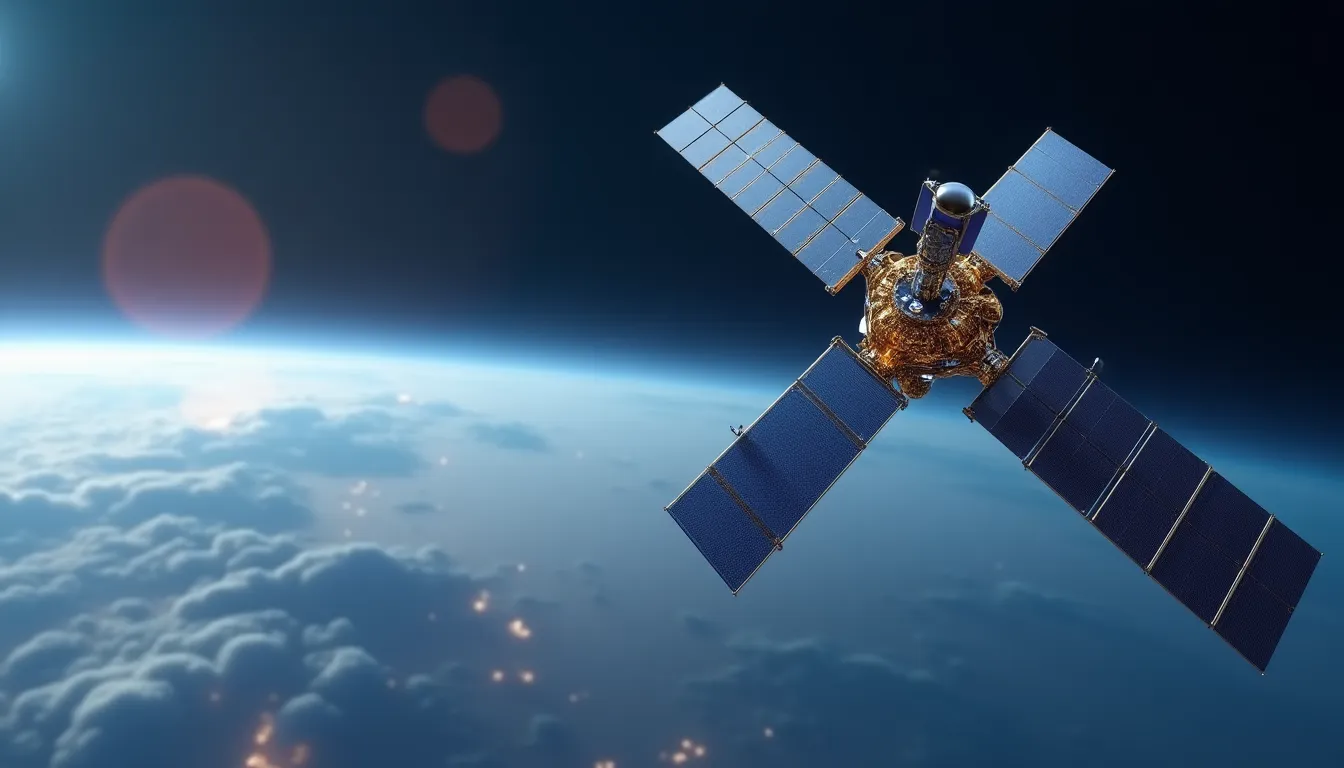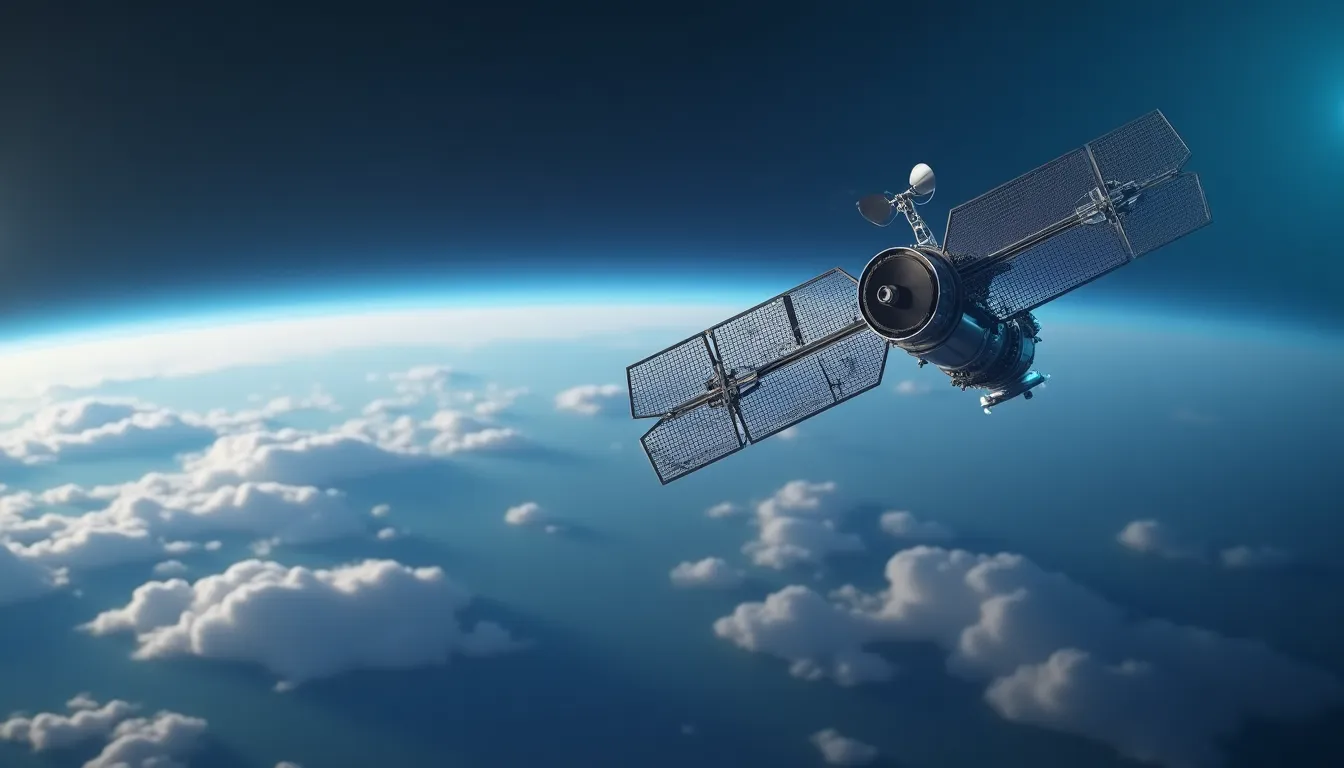
The aerospace and defense sectors are on the cusp of a technological revolution, largely driven by advancements in satellite technology. As we move into the next decade, the industry is witnessing a significant shift towards smaller, more capable satellites that are not only enhancing connectivity but also redefining operational strategies across the globe. This article delves into the key trends shaping the satellite landscape, including miniaturization, the rise of satellite Internet of Things (IoT), advanced ground systems, and innovations in propulsion technologies.
The Shift Towards Miniaturization
In recent years, the trend of satellite miniaturization has gained momentum, with small satellites now replacing their larger counterparts for Earth observation and remote sensing missions. These miniaturized platforms, often referred to as CubeSats or SmallSats, offer a cost-effective solution without compromising on the quality of data collected. The advantages of miniaturization are multifaceted:
- Cost Efficiency: Smaller satellites are significantly cheaper to build, launch, and maintain. This reduction in costs opens up opportunities for smaller organizations and countries to participate in space exploration and research.
- Increased Launch Frequency: Miniaturized satellites can be launched in clusters, allowing for more frequent deployment and quicker establishment of satellite constellations.
- Enhanced Capabilities: Despite their size, advancements in technology have enabled these small satellites to carry sophisticated payloads, such as high-resolution imaging systems and advanced sensor modules, including the Advanced Sensor Module that integrates a three-axis gyroscope, accelerometer, and magnetic sensor for comprehensive motion sensing capabilities.
Expanding the Internet of Things (IoT) via Satellites
The integration of satellite technology with IoT is transforming connectivity on a global scale. Satellite IoT is increasingly being leveraged to provide network access in remote and underserved regions, where traditional infrastructure is lacking. Notable applications include:
- Agriculture: Farmers are using satellite IoT to monitor crop health via precision agriculture tools that rely on satellite data.
- Logistics: Real-time tracking of shipments and fleet management is enhanced through satellite connectivity, ensuring efficient operations in supply chains.
- Environmental Monitoring: Satellites equipped with advanced navigation systems, such as High-Precision Advanced Navigation Systems with fiber optic sensing coils, are used to gather data on climate change and natural disasters.
These applications signify a growing demand for reliable and scalable connectivity solutions, positioning satellite IoT as a vital component of the future digital landscape.
Autonomous Ground Systems: The Need for Automation
As satellite networks expand, the management of these complex systems necessitates advanced ground segment automation. Autonomous ground systems are becoming essential for monitoring satellite constellations and executing operations without constant human intervention. Key benefits include:
- Efficiency: Automation reduces operational costs and allows for real-time adjustments to satellite operations based on performance data and environmental changes.
- Scalability: Automated systems can handle larger constellations more effectively, ensuring robust communication and data management across multiple satellites.
The evolution towards autonomous ground systems is supported by advancements in software and hardware technologies, paving the way for a more resilient and responsive satellite operational framework.
Innovations in Propulsion Technologies
Advancements in satellite propulsion systems are critical for expanding the capabilities of both Earth observation and deep-space missions. Notably, sustainable propulsion technologies are emerging as a focus for minimizing the environmental impact of space operations. Technologies being explored include:
- Electric Propulsion: Systems utilizing ion thrusters or Hall-effect thrusters offer higher efficiency for maneuvering satellites in orbit.
- Sustainable Propulsion: New propulsion methods that utilize eco-friendly propellants are being developed to reduce the carbon footprint of satellite launches.
The integration of these technologies is imperative for maintaining a sustainable space environment, especially as the number of active satellites continues to rise.
Very High Throughput Satellites (VHTS): A Leap Forward in Connectivity
The deployment of Very High Throughput Satellites (VHTS) represents a significant upgrade in satellite communications. VHTS architectures are designed to handle a much larger volume of data compared to legacy systems, offering:
- Higher Data Rates: VHTS can support multiple gigabits per second, vastly improving internet and communication services across various sectors.
- Increased Coverage: These satellites can provide enhanced connectivity in rural and isolated areas, ensuring that more people have access to high-speed internet.
As the demand for bandwidth continues to grow, VHTS will play a pivotal role in meeting the global connectivity needs of individuals and businesses alike.
Conclusion
The future of satellite technology is poised for transformative changes driven by miniaturization, IoT integration, autonomous operations, and innovative propulsion systems. As the aerospace and defense industries continue to evolve, these advancements will not only enhance operational efficiencies but also expand global connectivity and sustainability efforts. The interplay of these technologies will shape the next generation of space operations, ensuring that satellite systems remain integral to our technological infrastructure and exploration endeavors. As we look to the future, collaboration across the sector will be essential in harnessing the full potential of these advancements in satellite technology.
References
-
Frontiers of Defense Tech in U.S. Alliances with Japan & Beyond … (www.youtube.com) - 5/14/2026 Hide Kamiya, General John W. “Jay” Raymond, and Jeff Thornburg examine space technologies in a conversation moderated by Naohiko Kohtake, …
-
Advancing Defense Capabilities with New Satellite Propulsion … (www.moog.com) - 5/14/2026 As space becomes an increasingly congested domain, satellite propulsion technology becomes more important than ever for national defense.
-
New Technology Trends in Aerospace and Defense Industry [2026] (www.epicflow.com) - 5/6/2026 This is explained by the reduction of prices for satellite launches and the increased demand for geospatial intelligence and satellite imagery.
-
Aerospace & Defense Technology - SAE Media Group (saemediagroup.com) - 3/5/2026 A&DT is the largest-circulation magazine for mil/aero engineers and managers. Through our portfolio of print, digital, online, and custom opportunities.
-
2026 Aerospace and Defense Industry Outlook | Deloitte Insights (www.deloitte.com) - 11/13/2025 The aerospace and defense sector is entering a new phase of expansion, driven by advancements in AI, digital sustainment, and increasing …
-
Aviation, Defense, and Space Market Size Report, 2033 (metastatinsight.com) - 10/8/2025 Global Aviation, Defense, and Space Market valued at USD 709.2 billion in 2025 and projected to exceed USD 896.6 billion by 2032.
-
Satellite Tech Edition 2025 | Aerospace Defense Outlook (aerodefenseoutlook.com) - 3/12/2025 GE Aerospace Expands Engine Cleaning Technology to Improve Aircraft Performance · China’s Long March 8 Rocket Launch Signals a New Era in Space Technology …
-
Space Technology Trends 2025 | Lockheed Martin (www.lockheedmartin.com) - 12/3/2024 Here are the top 10 space technology trends shaping the future of satellite communications, remote sensing and space exploration.
-
The New Frontier of Satellite Technology | Dassault Systèmes (www.3ds.com) - 4/3/2024 Driven by the need to accelerate innovation, this new frontier helps companies identify opportunities to extend the limit of rocketry and satellite design and …
-
The New Frontier of Satellite Technology - Dassault Systèmes (www.youtube.com) - 9/8/2020 In the race to successfully launch satellites into orbit, New Space companies must speed up innovation in satellite technology.