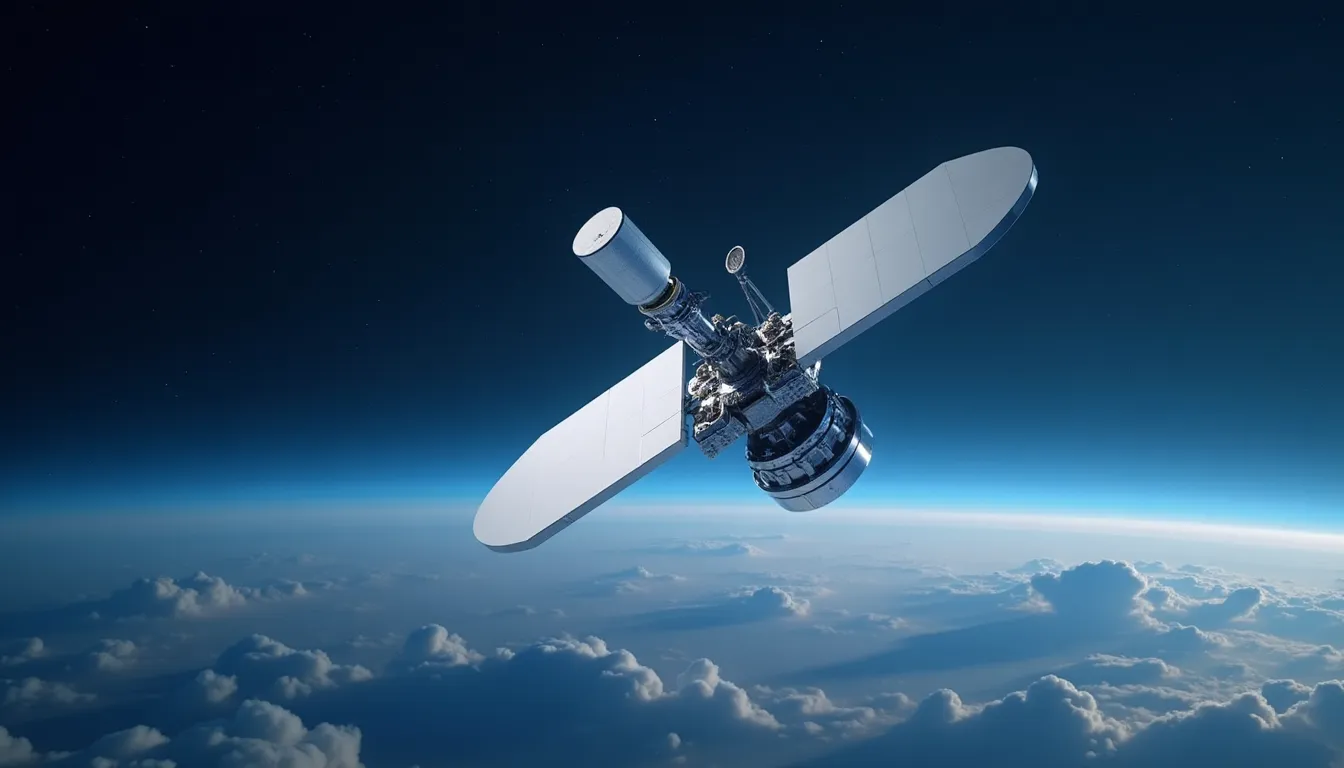
As the space industry gears up for a new era defined by the orbital economy, durability has emerged as a critical issue confronting Low Earth Orbit (LEO) hardware. With the proliferation of satellites and the ambitious plans for constellations, the reliability and longevity of space assets in LEO are under scrutiny. This article examines the durability crisis, its implications for the future of satellite operations, and potential solutions.
The Growing Importance of Durability in LEO Operations
The recent surge in satellite launches, driven by companies like SpaceX and OneWeb, has resulted in a crowded orbital environment. This boom in activity can be attributed to the increasing demand for broadband connectivity, Earth observation, and data services. However, the durability of LEO hardware is now being challenged as these systems face extreme environmental conditions, including micrometeoroid impacts, radiation exposure, and thermal fluctuations.
The Challenges of LEO Environment
LEO satellites operate at altitudes ranging from 180 to 2,000 kilometers. At these heights, they encounter significant challenges, including:
- Radiation Exposure: Satellites in LEO are subjected to increased levels of radiation, which can degrade electronic components over time.
- Micrometeoroid Impacts: The risk of collision with small debris is ever-present, posing a serious threat to the structural integrity of satellites.
- Thermal Fluctuations: The temperature in space can vary dramatically, causing thermal stress on materials and components.
Potential Failures and Their Consequences
The durability crisis could lead to premature satellite failures, resulting in costly replacements and disruptions in service. According to Dr. Ellen Carter, a space systems engineer, “If we don’t address the durability issues now, we may see a wave of failures that could undermine confidence in the orbital economy.” These failures could have cascading effects on global communications and data services, impacting everything from internet access to national security operations.
Innovations in Durability Solutions
To combat these challenges, the aerospace industry is investing in advanced materials and technologies designed to enhance the durability of LEO hardware. Key innovations include:
- Advanced Materials: The use of lightweight, high-strength materials can improve resistance to micrometeoroid impacts while reducing overall satellite mass.
- Thermal Management Systems: Effective thermal management systems are essential for maintaining optimal operating temperatures and extending the lifespan of satellite components.
- Precision Accelerometers: The integration of high-precision accelerometers allows for better monitoring of satellite movements and can help in predicting and mitigating potential impacts.
Expert Insights on Durability Innovations
“The future of LEO operations hinges on our ability to innovate around durability,” says Dr. Jason Lee, an aerospace material scientist. “Investments in robust materials and smart engineering practices will be essential to meet the demands of an increasingly busy orbit.” These innovations not only enhance durability but also provide the necessary data for predictive maintenance, enabling operators to extend the operational life of their assets.
The Road Ahead: Future Developments in LEO Durability
As the orbital economy continues to expand, the focus on durability will become even more pronounced. Upcoming missions and satellite deployments must prioritize robust design and reliability testing. Key considerations for future developments include:
- Increased Testing Protocols: Rigorous testing under simulated space conditions will help identify weaknesses in designs before launch.
- Collaborative Approaches: Industry collaboration can lead to shared innovations and best practices in durability, ultimately benefiting the entire sector.
- Adaptive Technologies: The integration of adaptive technologies, such as modular satellite designs, can provide flexibility in addressing hardware failures through easier repairs and upgrades.
Conclusion: Building a Resilient Orbital Economy
The durability crisis facing LEO hardware is a pressing challenge that necessitates immediate attention. As companies and organizations invest in new technologies and materials, the goal should be to create resilient systems capable of withstanding the rigors of space. By addressing these durability concerns, the aerospace industry can lay the groundwork for a robust and sustainable orbital economy.
In the words of Dr. Carter, “Durability isn’t just a technical specification; it’s a guarantee of mission success and the foundation of future advancements in space operations.”
With the right strategies and innovations, the aerospace industry can navigate the challenges of durability and build a prosperous future in the orbital economy.
References
-
durability Research - defensenews.com (defensenews.com)
-
durability Research - aviationweek.com (aviationweek.com)
-
durability Research - spacenews.com (spacenews.com)