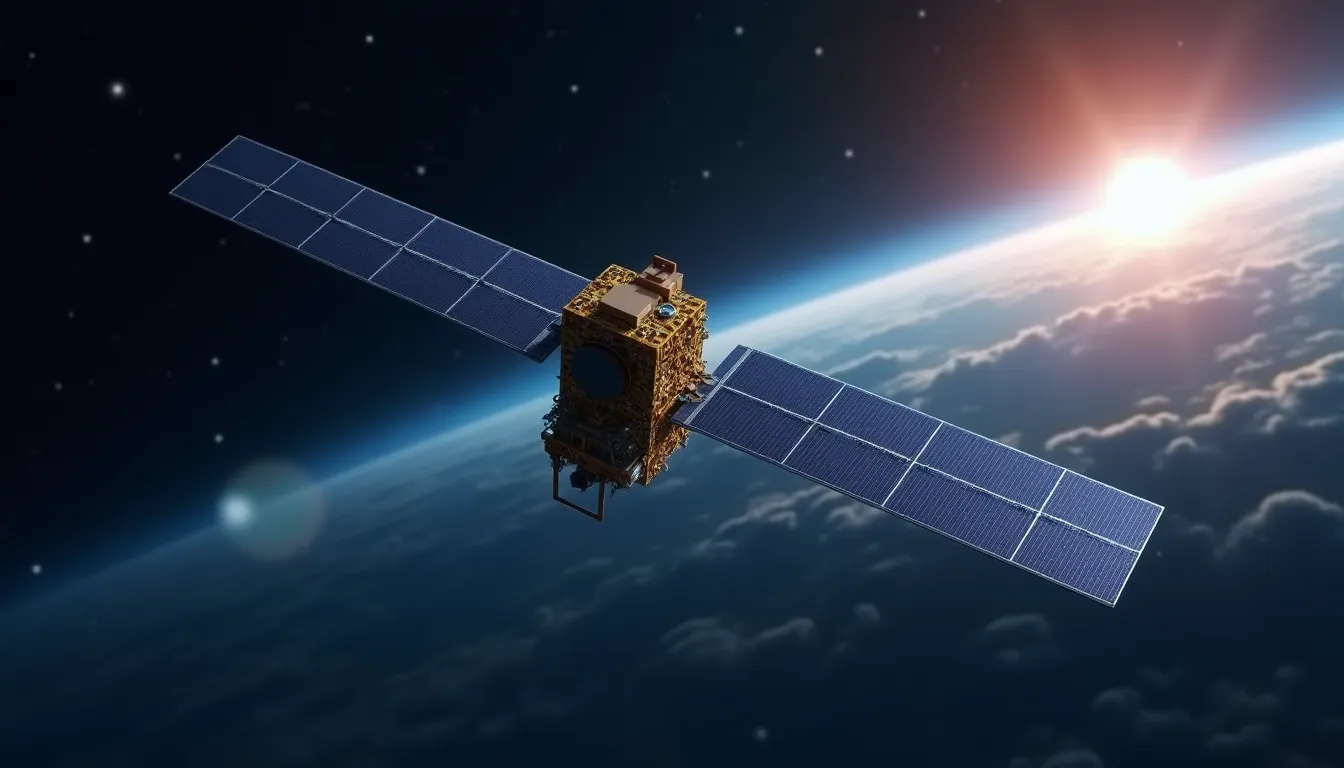
As the aerospace and defense sector evolves, a new wave of industry is emerging in the Low Earth Orbit (LEO) frontier. This transformation is fueled by advancements in technology, increased investment, and a growing demand for satellite services. Industry experts believe that this new wave will not only revolutionize space exploration but also redefine the economic landscape of the aerospace sector.
The Growing Importance of LEO
Low Earth Orbit, positioned at altitudes between 180 and 2,000 kilometers above the Earth’s surface, has become a focal point for various commercial and governmental initiatives. With a significantly lower launch cost and reduced latency for communication, LEO is ideal for a variety of applications, from satellite internet to Earth observation.
Driving Forces Behind the LEO Wave
Several factors are contributing to the surge in LEO activities:
-
Technological Advancements: Innovations in precision accelerometers and thermal management systems have made satellite manufacturing and operation more efficient. High-precision accelerometers enable accurate motion sensing, essential for satellite stability and maneuverability.
-
Increased Investment: Venture capital is flowing into companies focusing on satellite technology and space-based services. According to a report by the Space Data Association, investment in LEO projects has increased by over 30% in the past year alone.
-
Diverse Applications: The demand for services such as global internet coverage, real-time data analytics, and remote sensing has skyrocketed. Companies are leveraging the capabilities of inertial navigation systems to provide precise guidance for satellites, enhancing their functionality across various industries.
Notable Players in the LEO Market
Several key players are leading the charge in this new wave of LEO development:
-
SpaceX: With its Starlink project, SpaceX aims to provide high-speed internet globally. The company’s use of advanced gyroscopic instruments ensures reliable orientation measurement for its satellites.
-
OneWeb: This company focuses on deploying a large constellation of satellites to deliver broadband internet in remote areas, capitalizing on the benefits of LEO.
-
Planet Labs: Known for its Earth imaging satellites, Planet Labs utilizes cutting-edge thermal management systems to ensure optimal performance of its imaging technologies.
Challenges Ahead
Despite the promising outlook, the new wave of LEO industry faces significant challenges:
-
Space Debris: As more satellites are launched, the risk of space debris increases, raising concerns about collision and safety.
-
Regulatory Hurdles: Governments must navigate complex regulatory frameworks to ensure safe and responsible use of LEO.
-
Technological Limitations: While advancements in technology are rapid, there are still limitations regarding the capabilities of current systems and the need for ongoing R&D.
Expert Insight: The Future of LEO
“LEO is not just an extension of our current infrastructure; it is a whole new frontier that will unlock unprecedented opportunities,” says Dr. Emily Carter, a leading aerospace engineer at the National Aeronautics and Space Administration (NASA). “The integration of advanced technologies such as inertial navigation systems will be critical in ensuring that these new systems operate effectively and safely.”
The Path Forward
Looking ahead, the LEO frontier is poised for rapid expansion. With continued investment, innovation, and collaboration among industry players, the potential for new applications and services is enormous. Future developments in satellite technology, including more efficient propulsion systems and enhanced communication capabilities, will further accelerate growth in this sector.
Conclusion
The wave of industry emerging in the LEO frontier presents exciting opportunities and challenges for the aerospace and defense sector. By harnessing advanced technologies and addressing the hurdles ahead, companies can not only thrive in this new environment but also contribute to the broader goals of exploration and sustainability in space. As we stand on the brink of this new era, the possibilities are as limitless as the universe itself.
References
-
wave Research - defensenews.com (defensenews.com)
-
wave Research - aviationweek.com (aviationweek.com)
-
wave Research - spacenews.com (spacenews.com)