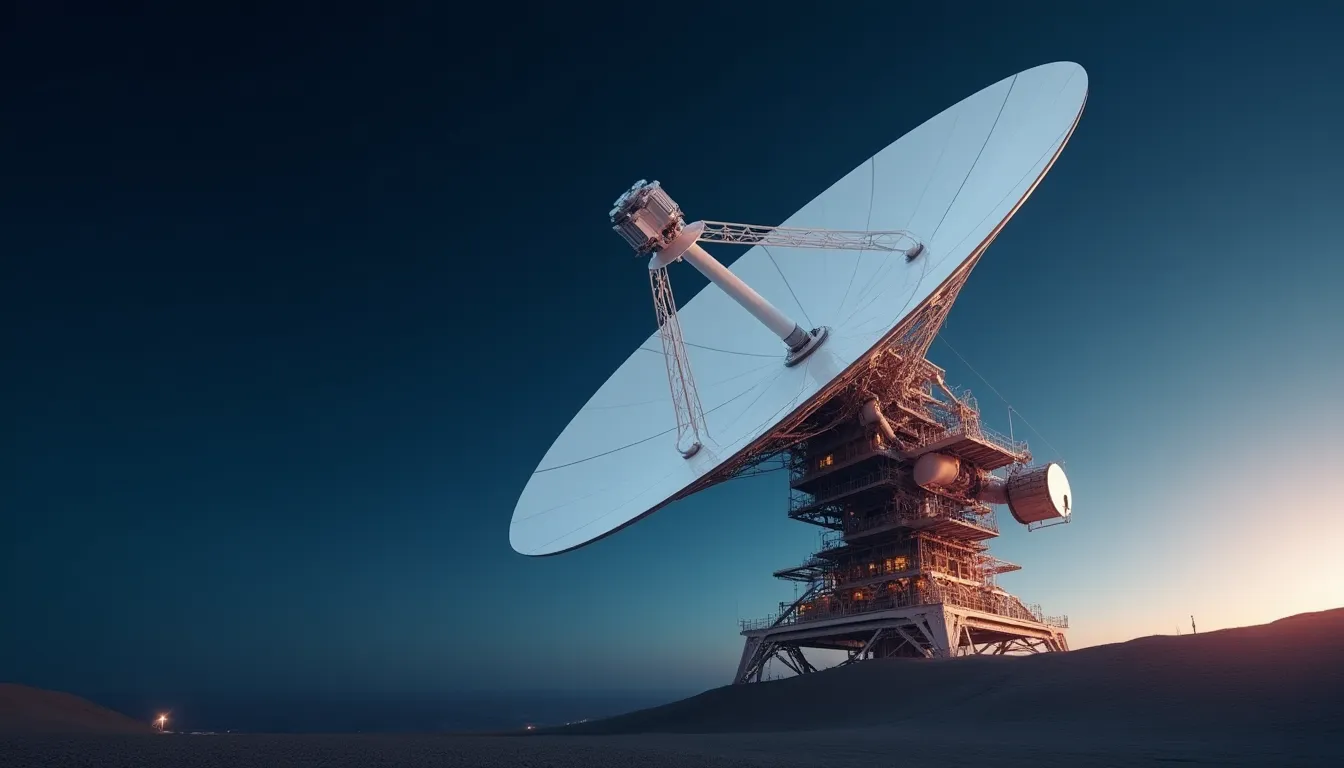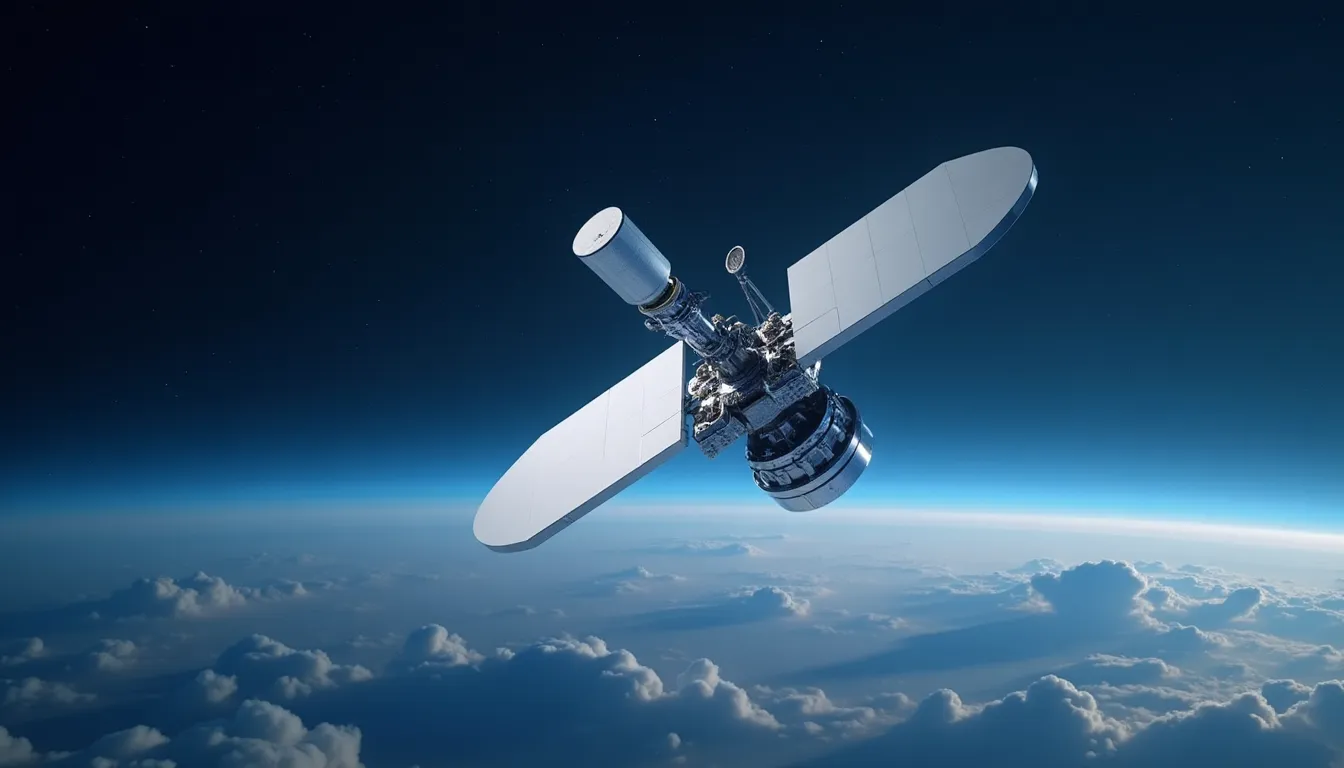
As we approach early January 2026, the aerospace industry is witnessing significant advancements in satellite technology. From the successful launch of the COSMO-SkyMed Second Generation satellite to SpaceX’s proactive measures for safer space travel, the landscape of low Earth orbit (LEO) is evolving rapidly. This article delves into these developments and introduces emerging technologies that promise to redefine space exploration.
COSMO-SkyMed Second Generation Satellite Launch
On January 3, 2026, Thales Alenia Space successfully launched the third satellite in Italy’s COSMO-SkyMed Second Generation (CSG) constellation. This Synthetic Aperture Radar (SAR) satellite enhances the capabilities established by its predecessors, ensuring operational continuity and improved image quality.
Key Features and Contributions
The CSG satellite leverages advanced technology to expand its applications in environmental monitoring, security, and emergency management. With the third satellite now in orbit, the constellation’s full deployment will consist of four satellites, enabling comprehensive coverage and enhanced performance over the original COSMO-SkyMed system, which has been operational since 2007 and has already captured over 4.3 million images.
Collaboration is key in the CSG program; Leonardo is responsible for the satellite’s attitude control and power management units, while e-GEOS, a joint venture between the Italian Space Agency and Telespazio, manages global data commercialization. Additionally, high-quality imagery and technical diagrams of the satellite’s X-band SAR antenna and orbital configuration are available through Thales Alenia Space’s press releases, emphasizing the sophistication of this latest addition to Italy’s Earth observation capabilities.
SpaceX’s Starlink Orbit Lowering Initiative
In tandem with advancements in satellite technology, SpaceX has announced a strategic initiative to lower the orbits of approximately 4,400 Starlink satellites. Currently positioned at around 342 miles (550 km), these satellites will descend to approximately 298 miles (480 km) throughout 2026. This decision is primarily aimed at enhancing space safety during the anticipated solar minimum.
Rationale Behind the Move
The solar minimum period is characterized by reduced atmospheric density, which can significantly alter a satellite’s orbital decay time. By lowering the orbits of its satellites, SpaceX aims to mitigate collision risks in the increasingly crowded LEO environment, where Starlink constitutes about two-thirds of operational satellites. Michael Nicolls, SpaceX’s VP of Starlink Engineering, highlighted the importance of this initiative in minimizing potential space debris and ensuring safer orbital operations.
This proactive strategy is crucial as the LEO landscape becomes more competitive, with China’s network of over 10,000 satellites further complicating orbital dynamics. SpaceX’s approach not only prioritizes safety but also showcases their commitment to responsible space exploration.
Emergent Rocketless Satellite Launch Technology
In a groundbreaking development, reports have emerged regarding a novel method for deploying satellites without traditional rocket propulsion. This innovative technology, described as using electromagnetic or air-launch techniques, promises 100% clean space exploration by eliminating propulsion exhaust.
Implications for the Industry
The introduction of rocketless satellite launch systems could revolutionize how we access space. By significantly reducing environmental impact and debris associated with conventional launches, this technology aligns with the industry’s growing emphasis on sustainability. While still in its early stages, the potential for cleaner and more efficient satellite deployment could reshape the future of aerospace logistics.
Imagery and conceptual designs for this rocketless deployment method are available, showcasing prototypes that hint at a new era of satellite launch capabilities. This development reflects a broader trend within the aerospace sector towards innovation aimed at preserving space as a resource for future generations.
Conclusion
The recent advancements in satellite technology, including the successful launch of the COSMO-SkyMed satellite, SpaceX’s strategic orbit adjustments, and pioneering rocketless deployment methods, signify a transformative period for the aerospace industry. As countries and companies navigate the complexities of LEO, these innovations not only enhance operational capabilities but also highlight the importance of sustainable practices in space exploration.
As the industry continues to evolve, technologies such as precision accelerometers and advanced navigation systems will play critical roles in ensuring the efficiency and safety of satellite operations. The future of satellite technology is bright, with the potential for even more revolutionary changes on the horizon.
References
-
The Third COSMO-SkyMed Second Generation Satellite Successfully Launched (www.thalesgroup.com) - 1/3/2026 Rome, January 3, 2026 – The third satellite part of the COSMO-SkyMed Second Generation (CSG) constellation, owned by the Italian Space …
-
SpaceX lowering orbits of 4,400 Starlink satellites for safety’s sake (www.space.com) - 1/3/2026 SpaceX will soon lower the orbits of about 4400 Starlink satellites, to decrease the threat they pose to other spacecraft and reduce space …
-
Hundreds of satellites launched… without a rocket - ComAiLab.org (www.comailab.org) - 1/3/2026 Hundreds of satellites launched… without a rocket: the wild technology promising 100% clean space exploration. 3 January 2026. The hangar is …
-
Space Brief 2 Jan 2026 (keeptrack.space) - 1/3/2026