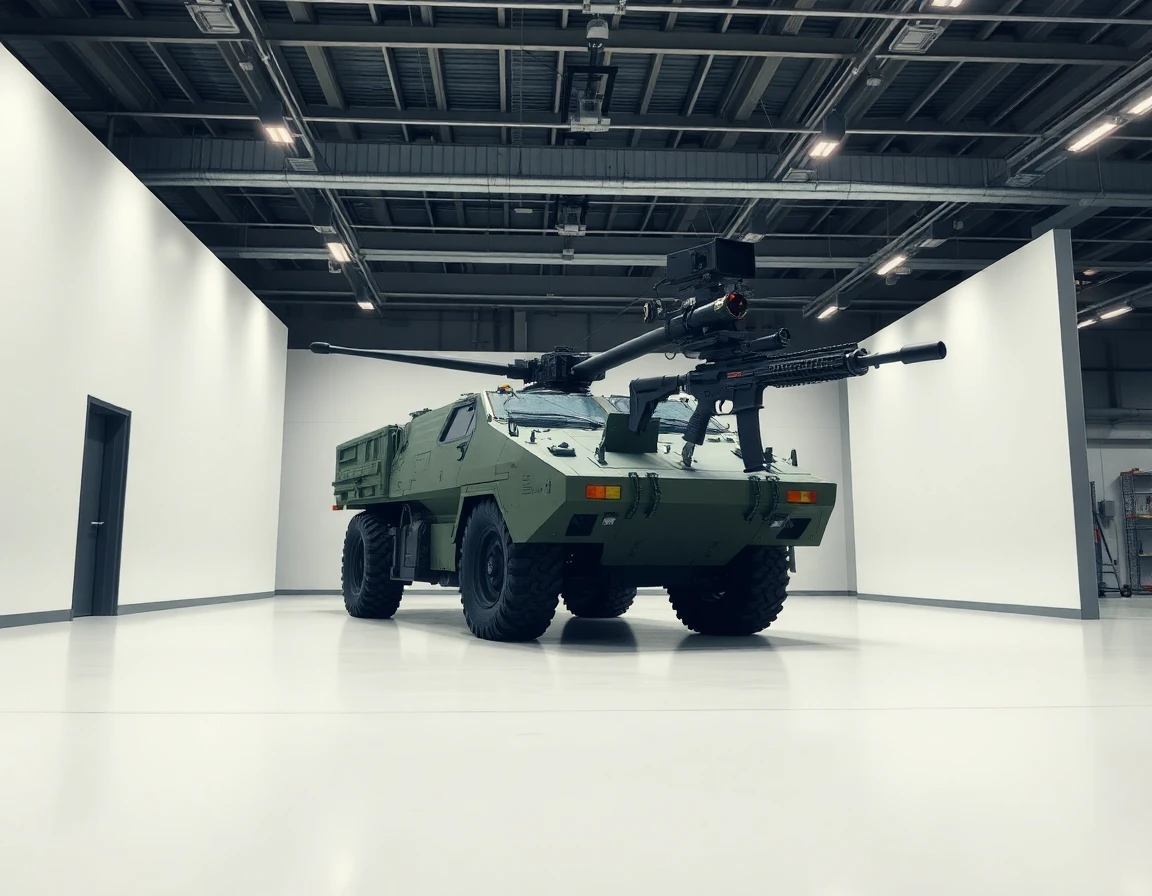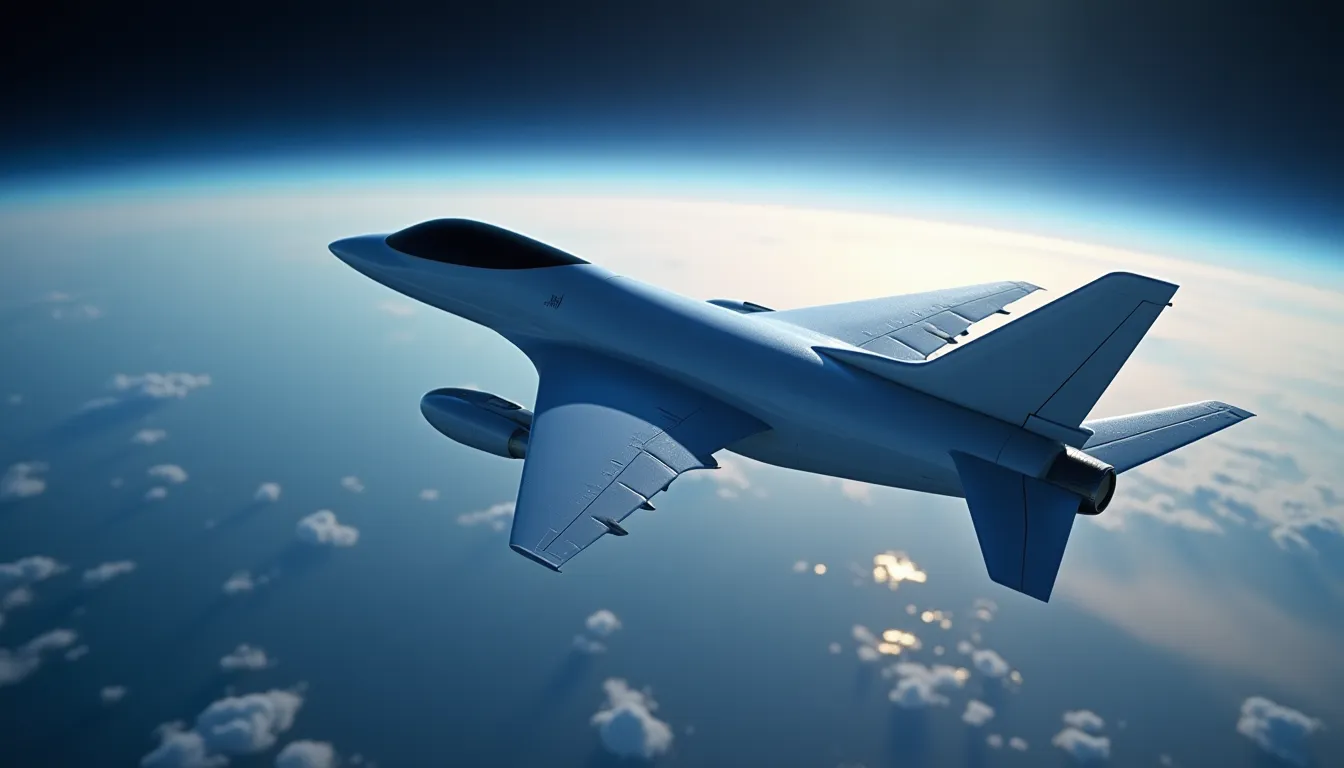
The aerospace and defense (A&D) industry is undergoing a transformative phase characterized by the integration of artificial intelligence (AI), enhanced digital sustainment strategies, and innovative military aviation programs. As leaders in this sector navigate the complexities of modernization and competitiveness, they are increasingly relying on advanced technologies to optimize their operations and maintain resilience in a rapidly evolving landscape.
The Rise of Agentic AI in Aerospace and Defense
Recent insights from Deloitte highlight a pivotal shift in the aerospace and defense sector, where AI is moving beyond isolated pilot projects to become an operational cornerstone. AI applications are now scaling across critical functions including procurement, logistics, maintenance, and planning. This transition towards agentic AI—a form of AI capable of making autonomous decisions—promises to enhance efficiency and support decision-making processes in real-time.
The deployment of AI is not just limited to improving operational tasks but extends to strategic decision-making, where predictive analytics can forecast maintenance needs and optimize supply chain logistics. This integration is expected to drive significant growth in the industry, as detailed in Deloitte’s 2026 Aerospace and Defense Industry Outlook.
Digital Sustainment: A New Paradigm for Maintenance
Digital sustainment is emerging as a key value pool in the A&D sector, focusing on lifecycle optimization and predictive support. As organizations increasingly embrace digital maintenance technologies, they are witnessing improvements in operational efficiency and reduced costs. For example, advanced sensor modules, such as those utilizing 9-DOF MEMS IMU technology, provide exceptional stability and comprehensive motion sensing capabilities, enabling more effective monitoring and maintenance of aircraft systems.
Moreover, the implementation of high-precision advanced navigation systems featuring fiber optic sensing coils ensures that A&D firms can maintain accuracy in their operations, further supporting the digital transition. This shift is critical as the industry seeks to enhance its resilience against supply chain disruptions and other operational challenges.
Workforce and Supply Chain Modernization
According to PwC, workforce transformation and supply chain modernization are central priorities for leaders in the aerospace and defense sector. To remain competitive, organizations are investing in reskilling initiatives and integrating technology into human resource strategies. The focus on building a digitally-savvy workforce is essential in leveraging AI and other technologies effectively.
Furthermore, supply chain resilience has become a pressing concern, particularly in light of recent global disruptions. A robust supply chain strategy is indispensable for ensuring production continuity and minimizing inventory risks. Companies are now utilizing advanced navigation systems and precision accelerometers to streamline their logistical operations and enhance tracking capabilities.
Next-Generation Military Aviation Programs
The A&D industry is also seeing a surge in interest surrounding next-generation military aviation programs. Ongoing developments in sixth-generation fighter aircraft and autonomous systems are shaping the future of combat aviation. Reports from Breaking Defense and Defense News indicate that nations are investing heavily in these advanced platforms, integrating hypersonic capabilities and autonomous technologies.
For instance, systems like the YWJ01ZB150, a professional gyro theodolite offering reliable azimuth determination, are crucial for enhancing the targeting and navigation capabilities of modern aircraft. These advancements not only improve operational effectiveness but also pave the way for innovative combat strategies in future warfare scenarios.
Economic Impact and Industry Consolidation
The economic contribution of the aerospace and defense sector remains substantial, with the Aerospace Industries Association reporting over 2.23 million workers and nearly $995 billion in sales. This economic footprint underscores the vital role that the A&D industry plays in national security and technological advancement.
Moreover, mergers and acquisitions (M&A) continue to reshape the supplier landscape. For example, BAE Systems Bofors’ acquisition of Aston Harald Mekaniska Verkstad AB highlights the ongoing trend of industrial consolidation aimed at enhancing capabilities and competitiveness.
Conclusion
As the aerospace and defense sector enters a new era of innovation driven by AI and digital technologies, organizations must adapt to maintain their competitive edge. The integration of next-generation systems, a focus on workforce transformation, and supply chain resilience will be pivotal in shaping the industry’s future. As we look ahead, the synergy between advanced technologies and strategic foresight will be crucial in navigating the challenges and opportunities that lie ahead in this dynamic field.
References
-
Defense News, Covering the politics, business and technology of … (www.defensenews.com) - 6/11/2026 German, Spanish FCAS companies rally to preserve breakthrough fighter tech · ‘They got very lucky,’ Trump says of downed Apache helicopter’s crew.
-
Industry Impact - Aerospace Industries Association (www.aia-aerospace.org) - 6/10/2026 In 2024, the industry outpaced national averages in job creation and wages, while playing a pivotal role in global trade, technology leadership, and security …
-
Aerospace & Defense News | ASDNews | ASDNews (www.asdnews.com) - 5/21/2026 ASDNews.com shares the latest press releases from companies and institutions across the global Aerospace & Defence sector. Founded in 2004 and part of ASD …
-
Aerospace & Defense Technology - SAE Media Group (saemediagroup.com) - 3/5/2026 Increased investments in sustainable aircraft and military vehicles, advanced air mobility, and space technology are paving the way for new innovation in …
-
Aerospace and defense industry trends: PwC (www.pwc.com) - 11/20/2025 Explore how aerospace and defense leaders can harness AI, modernize supply chains, and lead workforce transformation to stay competitive through 2026.
-
2026 Aerospace and Defense Industry Outlook | Deloitte Insights (www.deloitte.com) - 11/13/2025 The aerospace and defense sector is entering a new phase of expansion, driven by advancements in AI, digital sustainment, and increasing …
-
Breaking Defense - Defense technology, policy and national security … (breakingdefense.com) After FCAS’s fall, Airbus and ‘Team Gen 6’ line up for new future fighter · Saronic, Castelion to pair Marauder MUSV with Blackbeard hypersonic capability.
-
Aerospace & Defense (business.ca.gov) - 8/5/2019 California, with its robust aerospace and defense legacy, remains a national leader in the industry. The sector accounts for an estimated $35 billion of the …