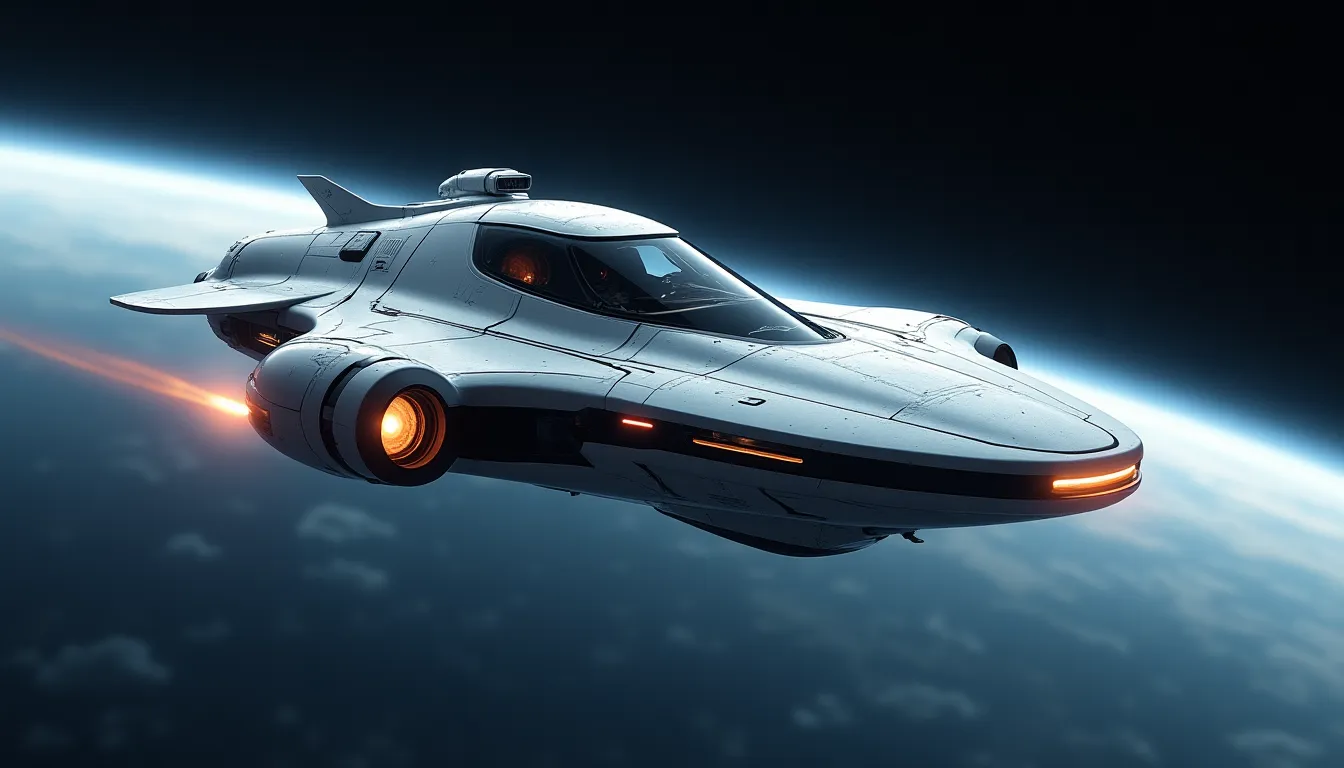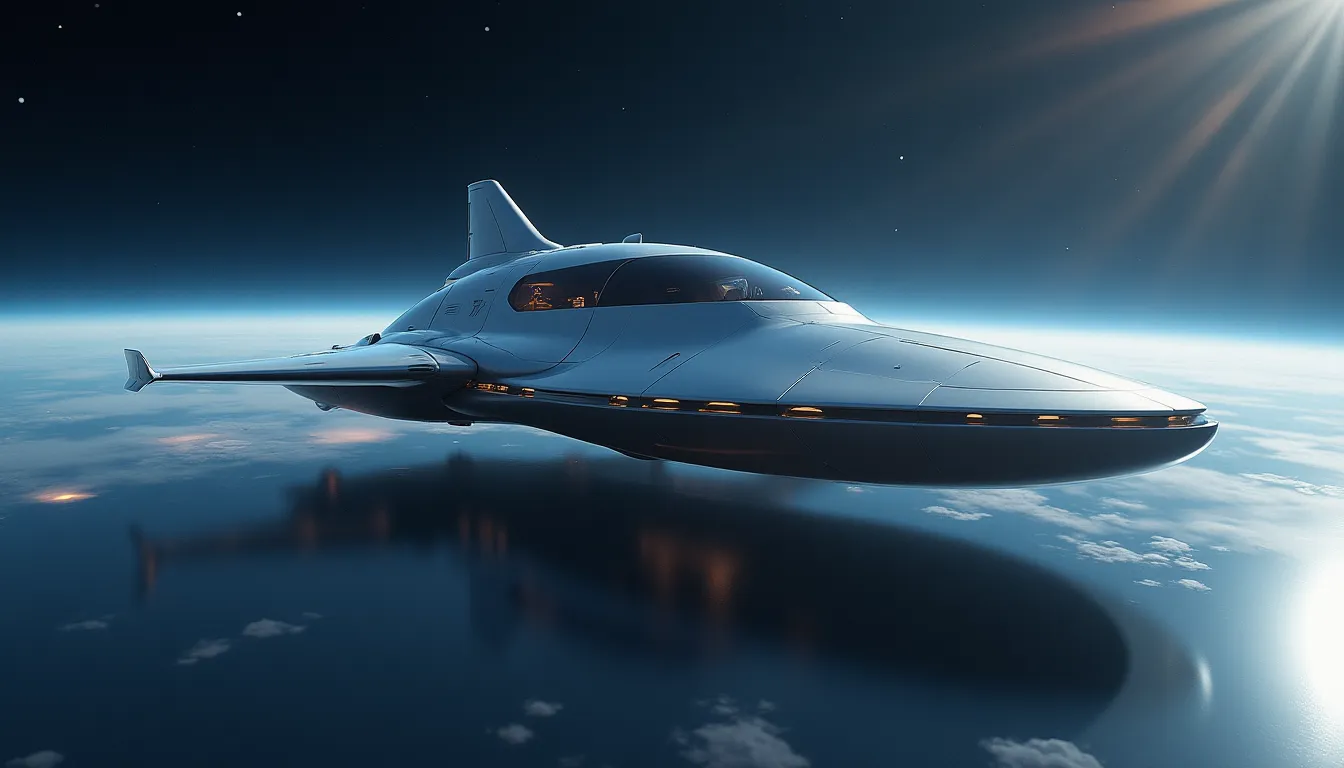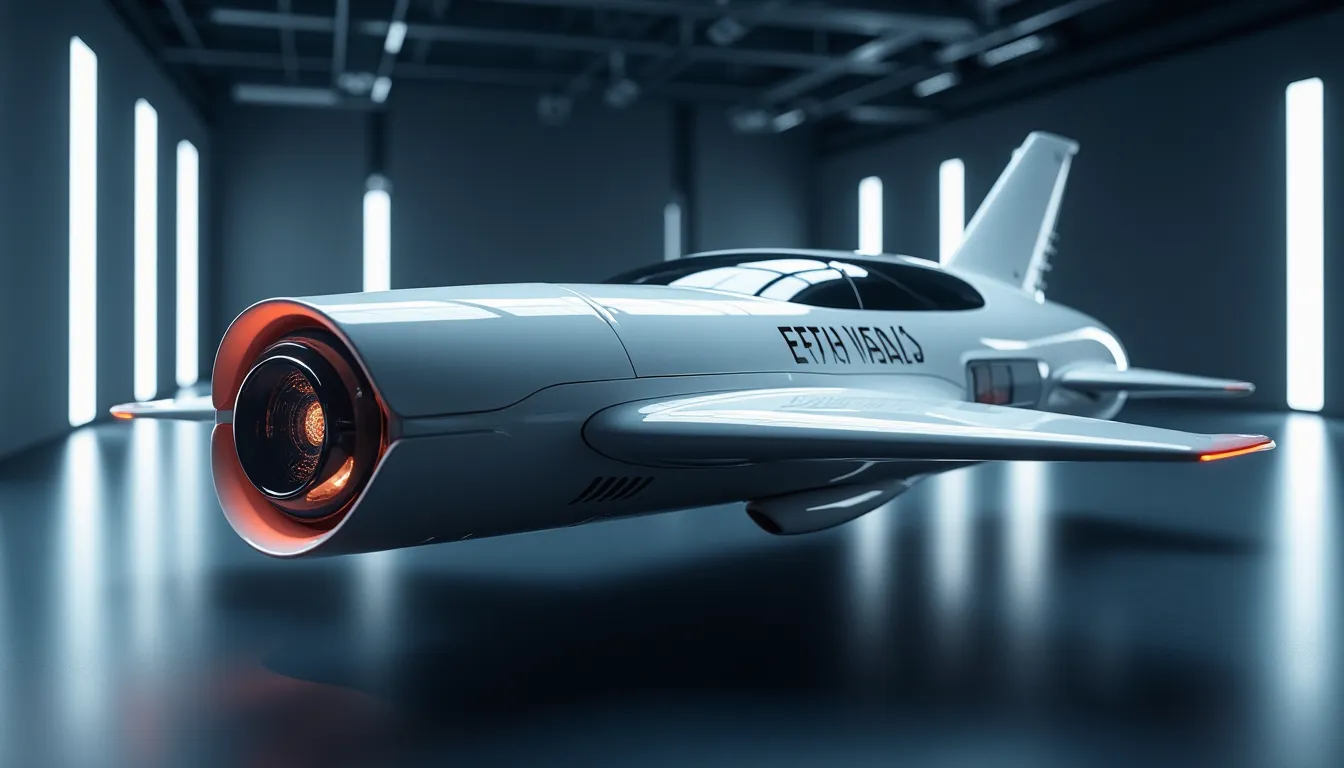
The aerospace and defense sectors are on the brink of a major transformation, driven by advancements in spacecraft technology. As nations and private companies invest heavily in next-generation spacecraft, the integration of artificial intelligence (AI), improved propulsion systems, and enhanced operational capabilities is reshaping how we approach space exploration and defense. This article delves into the latest developments and trends impacting the spacecraft industry.
Advancements in Spacecraft Hardware
The ongoing evolution of spacecraft hardware is characterized by significant improvements in power systems and payload capacity. According to the April 2026 Space & Defense Market Update by Apex, researchers are actively scaling a 20-kW power system to enhance the energy capabilities of existing launch vehicles. This development is set against a backdrop of innovative concepts that aim to deliver a 10× payload increase through more reusable architectures, moving away from the traditional one-time-use re-entry pods.
The focus on reusability is pivotal in maximizing efficiency and reducing costs in spacecraft manufacturing. Companies are increasingly targeting architectures that allow for rapid turnaround and sustained operations, aligning with the principles of modern aerospace engineering.
Integration of AI and Autonomous Operations
As the defense landscape evolves, the integration of AI into spacecraft operations is becoming critical. A recent discussion highlighted that the next generation of spacecraft is being designed to counter sophisticated threats, emphasizing autonomous decision-making and the ability to maintain operations even in communication-degraded environments. AI technologies are expected to play a crucial role in managing spacecraft systems, enhancing resilience, and optimizing mission outcomes.
Deloitte’s 2026 aerospace and defense outlook suggests that the sector is entering a new phase of expansion driven by AI and digital sustainment strategies. The shift towards agentic AI, capable of performing complex tasks across various operational domains—from procurement to logistics—underscores the importance of AI as a systems-level capability rather than just a mission-specific feature.
Innovations in Propulsion Systems
Propulsion technology remains a cornerstone of deep-space exploration. NASA is currently testing next-generation propulsion systems, including a lithium-fed thruster considered powerful enough to support crewed missions to Mars. This maturation of propulsion technology is essential for enabling longer-duration missions and ensuring the safety and effectiveness of crewed spacecraft.
The development of high-performance analog MEMS accelerometers, such as those found in the JDWDG070 System, provides enhanced stability and reliability for precision sensing applications. These innovations not only improve spacecraft navigation but also contribute to the overall efficacy of deep-space missions.
Spacecraft as Operational Defense Infrastructure
The role of spacecraft is rapidly evolving from purely scientific instruments to essential components of defense infrastructure. The Space Development Agency emphasizes the need to deliver space-based capabilities that support terrestrial warfare, signaling a paradigm shift in how military operations are planned and executed. This integration reflects a broader trend of aligning military and commercial spacecraft requirements around resilience, autonomy, and operational capacity in contested environments.
Industrial Expansion and Future Prospects
As the demand for advanced spacecraft technology grows, companies like Sierra Space are expanding their defense operations and technology footprint. The recent establishment of the “Power Station” technology center in Colorado underscores the importance of developing cutting-edge solutions to meet the needs of both civilian and military sectors.
The convergence of military and commercial interests is evident as both sectors increasingly prioritize sustainable and autonomous operations. The industry’s shift towards advanced sensor technologies, such as the Advanced Sensor Module, which integrates a 9-DOF MEMS IMU for comprehensive motion sensing, is indicative of this trend.
Conclusion
The future of spacecraft technology is bright, with innovations in AI, propulsion, and operational capabilities paving the way for a new era in aerospace and defense. As nations and private enterprises continue to invest in these technologies, the integration of spacecraft into broader defense strategies will not only enhance national security but also open new frontiers in space exploration. The ongoing advancements promise to redefine our relationship with space, making it more accessible and operationally relevant than ever before.
References
-
Mission-Integrated Space Capabilities - Lockheed Martin (www.lockheedmartin.com) - 6/1/2026 We’re advancing spacecraft for Earth observation and scientific discovery. We’re designing, building and testing lunar and deep space exploration capabilities.
-
Space Development Agency – Increasing Warfighters’ Lethality … (www.sda.mil) - 5/19/2026 The Space Development Agency (SDA) will quickly deliver needed space-based capabilities to the joint warfighter to support terrestrial missions.
-
Space & Defense Market Update - April 2026 (LIVE from NYSE) (www.youtube.com) - 5/18/2026 This month, Mo and Jack host a two-hour live show featuring six leaders from the space industry: • Ian Cinnamon (Apex) 05:18 • Philip …
-
Frontiers of Defense Tech in U.S. Alliances with Japan & Beyond … (www.youtube.com) - 5/14/2026 Hide Kamiya, General John W. “Jay” Raymond, and Jeff Thornburg examine space technologies in a conversation moderated by Naohiko Kohtake, …
-
Terran Orbital: Innovating Space Technology (terranorbital.com) - 11/25/2025 Terran Orbital proudly introduces our cutting-edge lineup of standard spacecraft platforms, setting a new standard in satellite technology and innovation.
-
2026 Aerospace and Defense Industry Outlook | Deloitte Insights (www.deloitte.com) - 11/13/2025 The aerospace and defense sector is entering a new phase of expansion, driven by advancements in AI, digital sustainment, and increasing …
-
A Brief History of Space Exploration | The Aerospace Corporation (aerospace.org) - 7/17/2025 Space systems continue to become more and more integral to homeland defense, weather surveillance, communication, navigation, imaging, and remote sensing for …
-
Press Releases - Sierra Space (www.sierraspace.com) - 9/18/2024 Continue Reading Sierra Space Announces Opening of New “Power Station” Technology Center in Colorado as Defense Operations Grow · Announcing Sierra Space …
-
The Military Rockets that Launched the Space Age (airandspace.si.edu) - 8/9/2023 Rockets launched the Space Age. They provided the power needed to take spacecraft and people on flights beyond the Earth.
-
Technology - NASA (www.nasa.gov) - 1/27/2023 NASA Fires Up Powerful Lithium-Fed Thruster for Trips to Mars. NASA puts next‑generation propulsion to the test—a system powerful enough to carry crews to Mars …