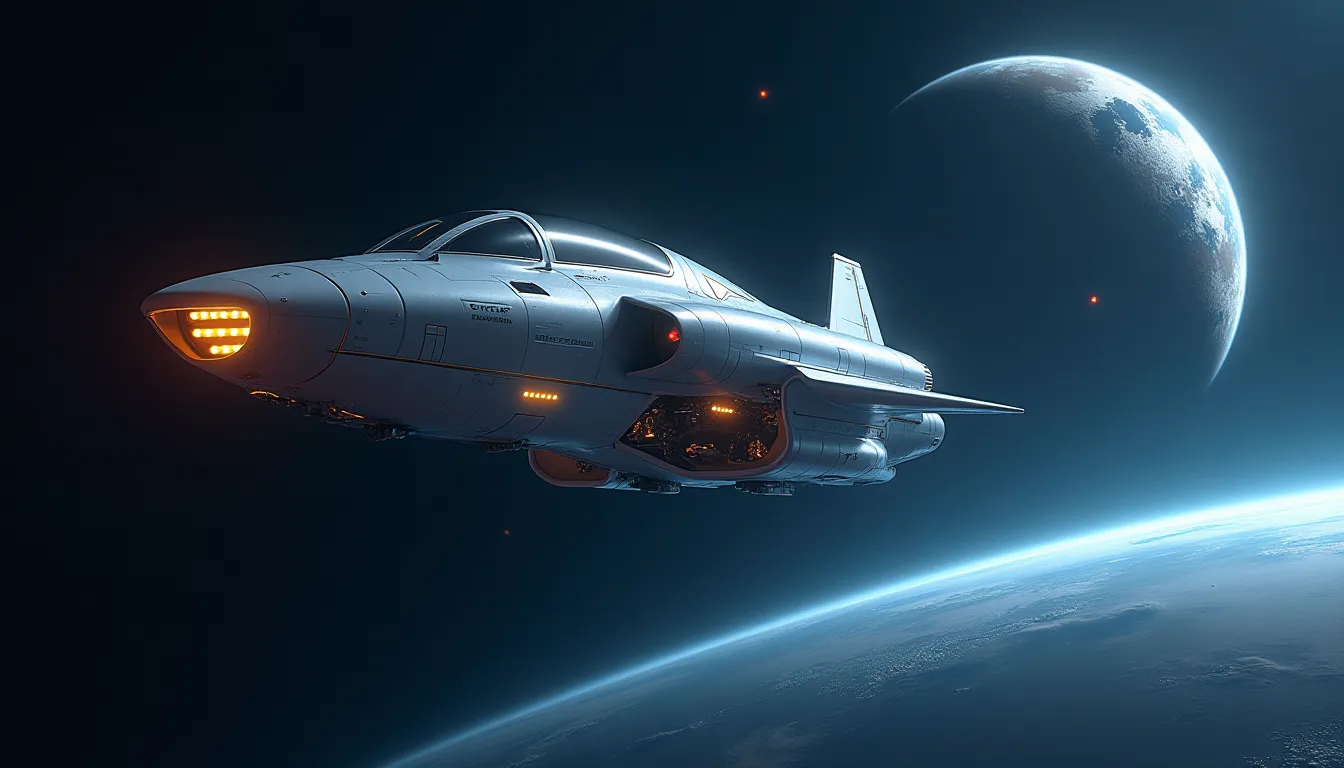
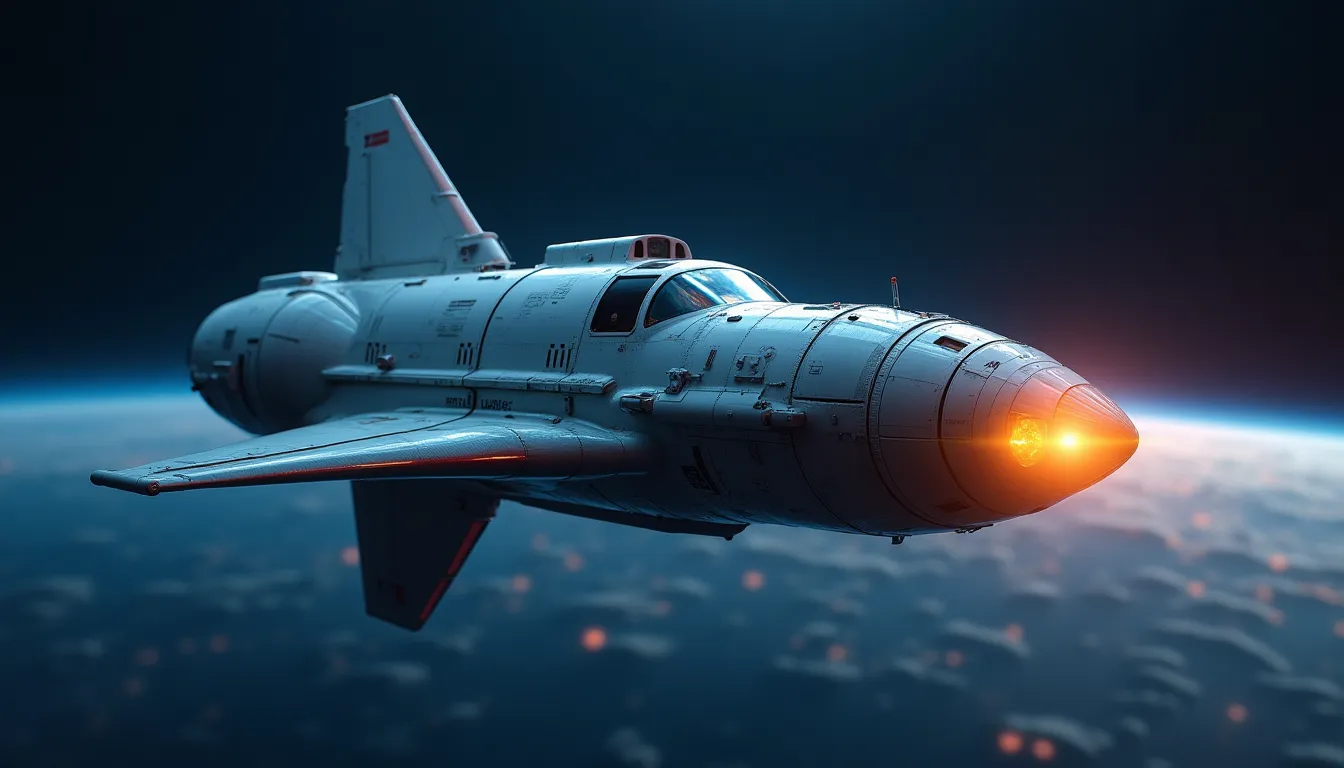
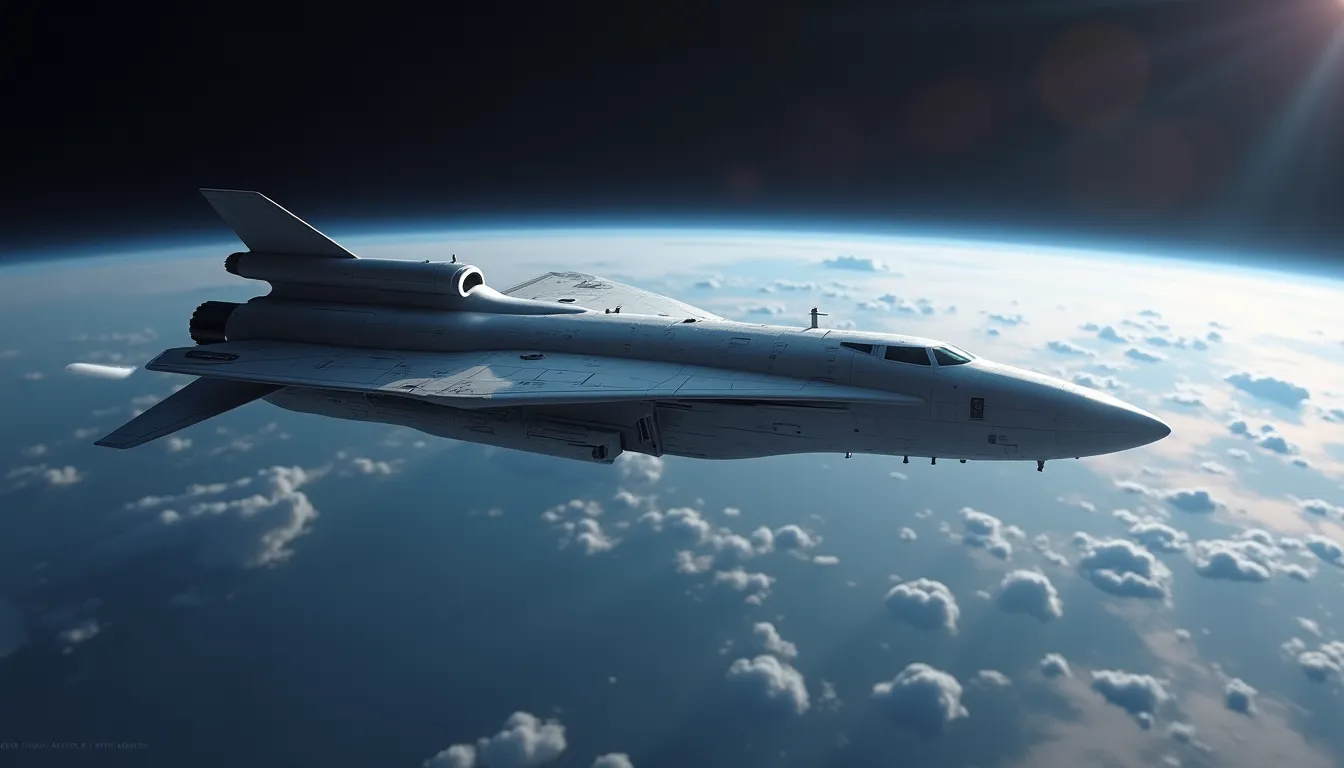
The aerospace industry is undergoing a transformative shift, particularly in spacecraft technology. As the demand for advanced capabilities grows, innovations in artificial intelligence (AI), propulsion systems, and modular designs are shaping the future of space exploration and defense operations. This article delves into the most recent developments that are marking a new era for spacecraft.
AI and Autonomous Systems: The New Frontier
Recent insights from Deloitte indicate that agentic AI is poised to revolutionize not just the aerospace sector but also the operational frameworks within spacecraft programs. By 2026, AI technology will transition from pilot programs to scaled deployment, enhancing functions such as mission planning, logistics, and maintenance. This shift will enable spacecraft operations to leverage real-time data for improved decision-making and operational efficiency.
“AI is becoming foundational for command and control systems, ensuring that spacecraft can operate more autonomously and effectively in complex environments,” said an industry analyst at Epicflow, underscoring the importance of AI in military and space operations.
Advancements in Propulsion Systems
At the forefront of spacecraft innovation is NASA’s testing of a lithium-fed thruster, aimed specifically at enhancing deep-space operations, particularly missions to Mars. This advanced propulsion technology is designed to provide higher performance and efficiency compared to traditional systems, marking a significant step forward in electric and advanced thruster technology.
The implications of this technology extend to the development of thermal battery systems, which enhance energy storage and management, crucial for long-duration space missions. By utilizing lithium-based propulsion, future spacecraft can achieve greater velocity and efficiency, making missions to distant celestial bodies more feasible.
Pioneering Communications Technologies
In the realm of spacecraft communications, a recent demonstration at an aerospace summit showcased the potential of laser communication systems. Achieving data rates of 25 Mbps over maximum distances between Earth and Mars, this advancement signifies a major leap from traditional radio frequency (RF) communications. The ability to transmit high-bandwidth data is essential for deep-space missions, enabling richer scientific data collection and lower latency for operational commands.
The integration of ZQXXSZMSS systems, which include high-performance PIN quadrant detector modules, can further enhance optical communication capabilities, allowing for precise signal conversion and amplification.
Modular Spacecraft Platforms for National Security
The development of small, high-performance satellites is becoming increasingly critical, especially for defense applications. Sierra Space has announced its plans to create a next-generation product line tailored for on-orbit servicing missions. This approach emphasizes the importance of modular spacecraft design, which allows for flexibility and adaptability in mission objectives.
Terran Orbital is also leading the charge with its standardized spacecraft platforms, highlighting the trend toward scalable bus designs. These innovations can reduce production costs and accelerate development cycles, making it easier to deploy new satellite systems in response to evolving military and commercial needs.
The Role of Defense Sector Demand
The U.S. Department of Defense continues to drive significant investments in modernized AI infrastructure, emphasizing the need for advanced technology in military operations. This demand is shaping the landscape of spacecraft and satellite programs, integrating AI-enabled systems for intelligence, surveillance, and reconnaissance (ISR) operations.
As noted by DefenseScoop, the military’s focus on AI supercomputing is indicative of a broader trend where computational power is becoming essential to support sophisticated spacecraft and satellite functionalities. Enhanced Advanced Navigation Systems, utilizing high-performance MEMS accelerometers, are crucial for ensuring precise positioning and stability during complex operations.
Conclusion
The ongoing advancements in spacecraft technology underscore a pivotal moment in aerospace and defense sectors. With the integration of AI, innovations in propulsion, and the evolution of modular spacecraft platforms, the future of space exploration and military operations looks promising. As these technologies continue to develop, they will enable more ambitious missions and enhance our capabilities in the vast expanse of space, paving the way for a new era of exploration and defense.
As we look toward the future, the emphasis on precision, efficiency, and adaptability will define the next generation of spacecraft, ensuring that we are prepared for the challenges of deep-space exploration and national security.
References
-
Space & Defense Market Update - April 2026 (LIVE from NYSE) (www.youtube.com) - 5/18/2026 … www.ignition-news.com. Space & Defense Market Update - April 2026 (LIVE from NYSE). 102 views · 3 days ago …more. Arkaea Media Group. 4.35K.
-
Aerospace & Defense Summit Keynote: Accelerating R&D Into Action (www.youtube.com) - 5/15/2026 A keynote with Dr. Laurie Leshin, Professor for Space Futures, Arizona State University.
-
Terran Orbital: Innovating Space Technology (terranorbital.com) - 11/25/2025 Terran Orbital proudly introduces our cutting-edge lineup of standard spacecraft platforms, setting a new standard in satellite technology and innovation.
-
2026 Aerospace and Defense Industry Outlook | Deloitte Insights (www.deloitte.com) - 11/13/2025 The aerospace and defense sector is entering a new phase of expansion, driven by advancements in AI, digital sustainment, and increasing …
-
National Security Space & Defense Technology | Sierra Space (www.sierraspace.com) - 10/6/2025 Developing a next generation product line of small, high performance, affordable satellites designed for on-orbit servicing missions.
-
Space Force (www.spaceforce.mil) - 5/1/2025 The Official Website for the United States Space Force.
-
Technology - NASA (www.nasa.gov) - 1/27/2023 NASA Fires Up Powerful Lithium-Fed Thruster for Trips to Mars. NASA puts next‑generation propulsion to the test—a system powerful enough to carry crews to Mars …
-
DefenseScoop | Breaking US Military Tech News, Modern Defense … (defensescoop.com) - 1/19/2023 DOD wants nearly $30 billion to modernize its AI supercomputing arsenal in fiscal 2027 · Facing growing threats, Army hosts Defense Critical Infrastructure …
-
New Technology Trends in Aerospace and Defense Industry [2026] (www.epicflow.com) - 4/6/2022 Key aerospace and defense innovations will include the application of artificial intelligence and agentic AI, immersive technologies, additive manufacturing, …