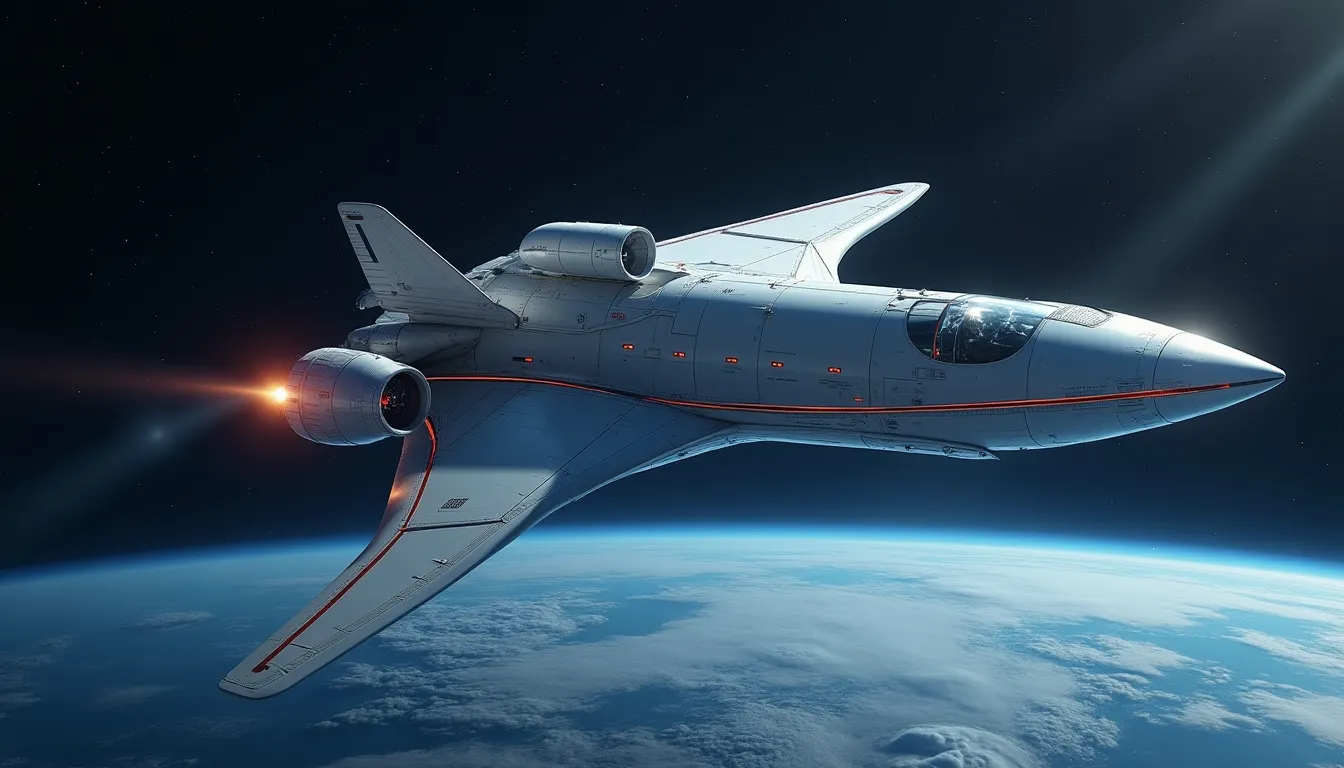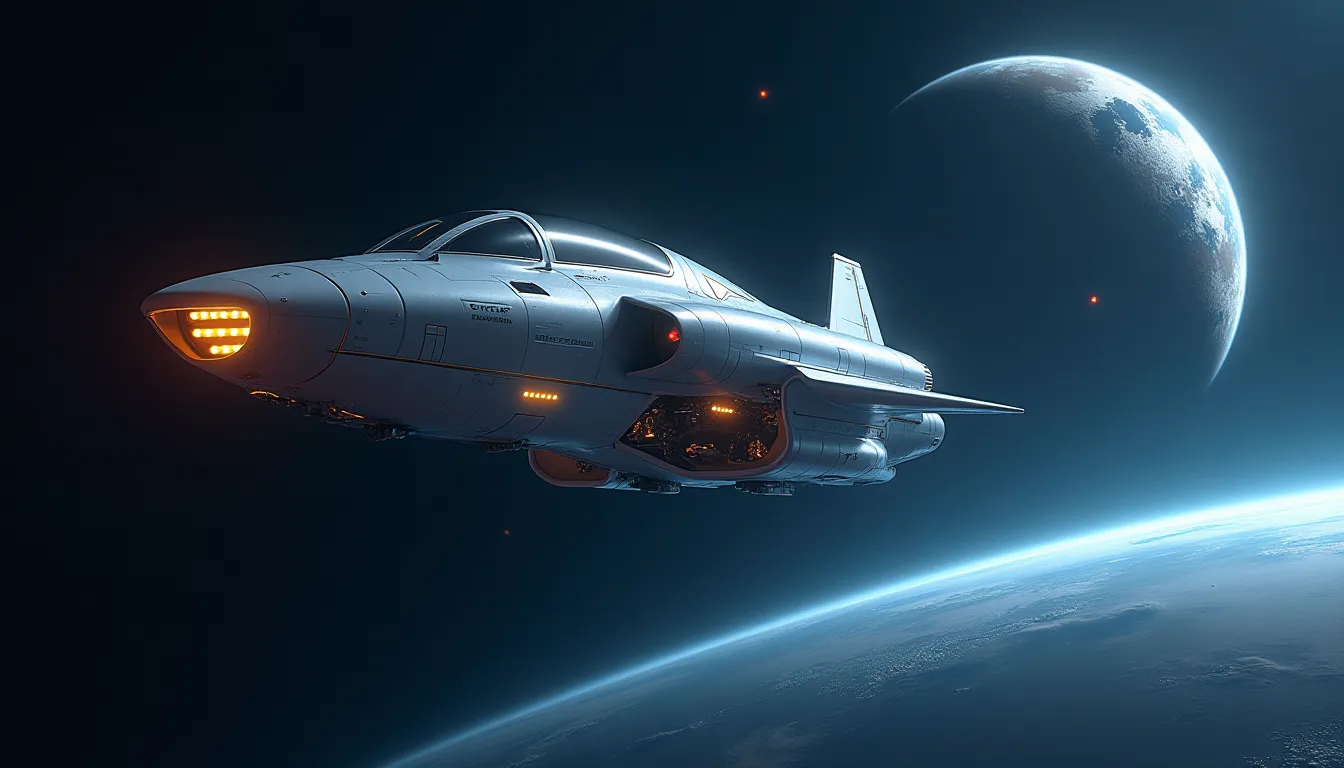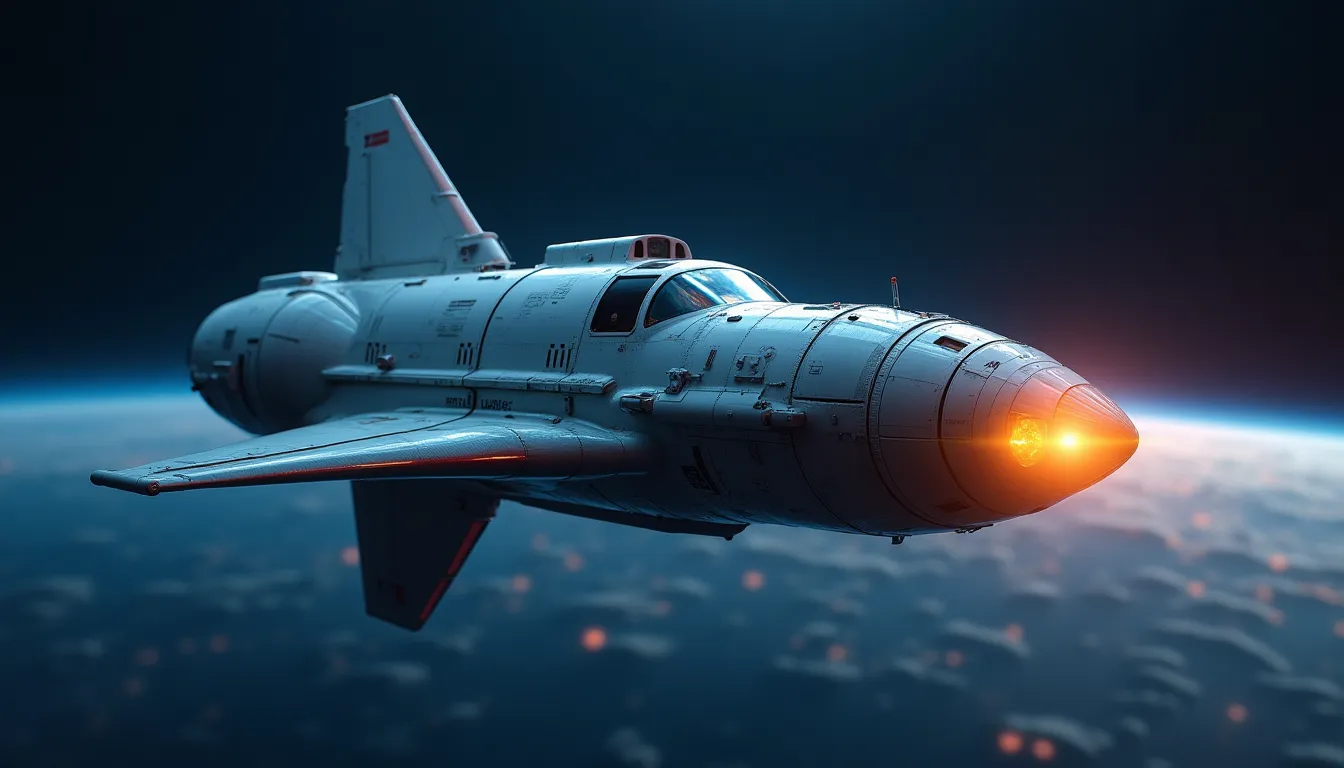
Recent years have witnessed significant developments in the field of spacecraft technology, driven by advances in operational capabilities, defense priorities, and the integration of artificial intelligence (AI) and autonomy. As the aerospace and defense sectors evolve, understanding these trends is essential for stakeholders aiming to harness the potential of space for various applications.
Operational Advances in Spacecraft and Launch Systems
SpaceX continues to lead the charge in spacecraft innovation, particularly with its Starship program. Designed for interplanetary missions, Starship is undergoing rigorous testing, including high-altitude flights that push the boundaries of current aerospace capabilities. For instance, the recent SN15 high-altitude flight test demonstrated the spacecraft’s readiness for future missions, showcasing SpaceX’s commitment to developing reusable launch systems that could significantly reduce the cost of space travel.
In addition to SpaceX’s advancements, NASA’s 2026 State-of-the-Art report on small spacecraft technology highlights ongoing innovation in compact platforms. This includes the development of advanced sats bus architectures, avionics, and propulsion systems. The focus on small satellites reflects a strategic shift toward more agile and versatile mission architectures that can support a wide range of scientific and exploratory objectives.
Defense-Oriented Space Systems Gain Priority
As geopolitical tensions rise, defense-oriented spacecraft systems are increasingly prioritized. Recent industry analyses indicate a notable uptick in investments directed towards missile warning, tracking systems, and hypersonic detection capabilities. Spacecraft are now being designed within broader defense architectures, emphasizing their role in multi-domain integration.
A significant example is the Lockheed Martin GEO OPIR satellites, which utilize Geosynchronous Earth Orbit Overhead Persistent Infrared technology for persistent infrared sensing. Such systems are critical for monitoring potential threats and enhancing national security. Furthermore, the integration of AI and machine learning (ML) in over 80 active defense programs signifies a transformative approach to military operations, enabling more responsive and autonomous systems.
AI and Autonomy: The New Frontiers
The role of AI and autonomy in spacecraft design and operations cannot be overstated. Industry experts emphasize that these technologies are becoming foundational for decision-making, command and control, and mission planning. For instance, agentic AI can enhance the responsiveness of spacecraft operations, allowing for real-time adjustments based on environmental data and mission parameters.
Moreover, the development of robotics and autonomous systems is facilitating innovations in space exploration. This includes the deployment of advanced navigation systems equipped with high-performance MEMS accelerometers that ensure precision in challenging environments. These technologies not only improve spacecraft capabilities but also reduce crew risk, making ambitious missions to Mars and beyond more feasible.
The Strategic Context: Spacecraft as Core Infrastructure
The evolving strategic landscape underscores the importance of spacecraft as integral infrastructure rather than mere exploratory tools. According to insights from The Aerospace Corporation, modern space systems are critical for various applications, including homeland defense, weather surveillance, communications, and remote sensing. This dual-use nature of space capabilities highlights the necessity for robust spacecraft technologies that can serve both civil and military needs.
Integration of Advanced Technologies
As spacecraft technology continues to mature, the integration of advanced systems such as high-performance CMOS imaging series for mission operations and thermal battery systems for energy efficiency will be pivotal. These innovations not only enhance the functionality of spacecraft but also extend their operational lifespan and reliability.
Conclusion
In summary, the future of spacecraft technology is being shaped by a confluence of operational advancements, defense-oriented designs, and the integration of AI and autonomy. As aerospace and defense sectors embrace these changes, stakeholders must remain vigilant and adaptable, leveraging new technologies to meet the challenges of an increasingly complex space environment. The ongoing evolution of spacecraft will undoubtedly play a crucial role in both exploratory missions and national security endeavors in the years to come.
References
-
Advancements in Spacecraft Technology: Pioneering the Future of … (orbysa.com) - 5/12/2026 Explore the latest innovations in spacecraft technology, including NASA’s Artemis II mission, next-gen missile defense systems, …
-
Updates - SpaceX (www.spacex.com) For rendezvous, Starships will be equipped with DragonEye navigation sensors, which have extensive flight heritage from their use on SpaceX’s Dragon spacecraft …
-
State-of-the-Art of Small Spacecraft Technology - NASA (www.nasa.gov) - 5/14/2026 NASA’s Small Spacecraft Technology State-of-the-art report is updated annually to capture new information on publicly available small spacecraft systems.
-
Terran Orbital: Innovating Space Technology (terranorbital.com) - 11/25/2025 Terran Orbital proudly introduces our cutting-edge lineup of standard spacecraft platforms, setting a new standard in satellite technology and innovation.
-
A Brief History of Space Exploration | The Aerospace Corporation (aerospace.org) - 7/17/2025 The Space Shuttle was the first reusable spacecraft to carry people into orbit; launch, recover, and repair satellites; conduct cutting-edge research; and help …
-
Press Releases - Sierra Space (www.sierraspace.com) - 9/18/2024 Continue Reading Sierra Space Announces Opening of New “Power Station” Technology Center in Colorado as Defense Operations Grow · Announcing Sierra Space …
-
Riding the exponential growth in space - Deloitte (www.deloitte.com) - 3/22/2023 Higher investment, improved infrastructure, and digital technologies could unlock potential across the space ecosystem.
-
New Technology Trends in Aerospace and Defense Industry [2026] (www.epicflow.com) - 4/6/2022 Some of the key technology and innovation trends in aerospace and defense industry will be: – the rise of automation and artificial intelligence, – wide …