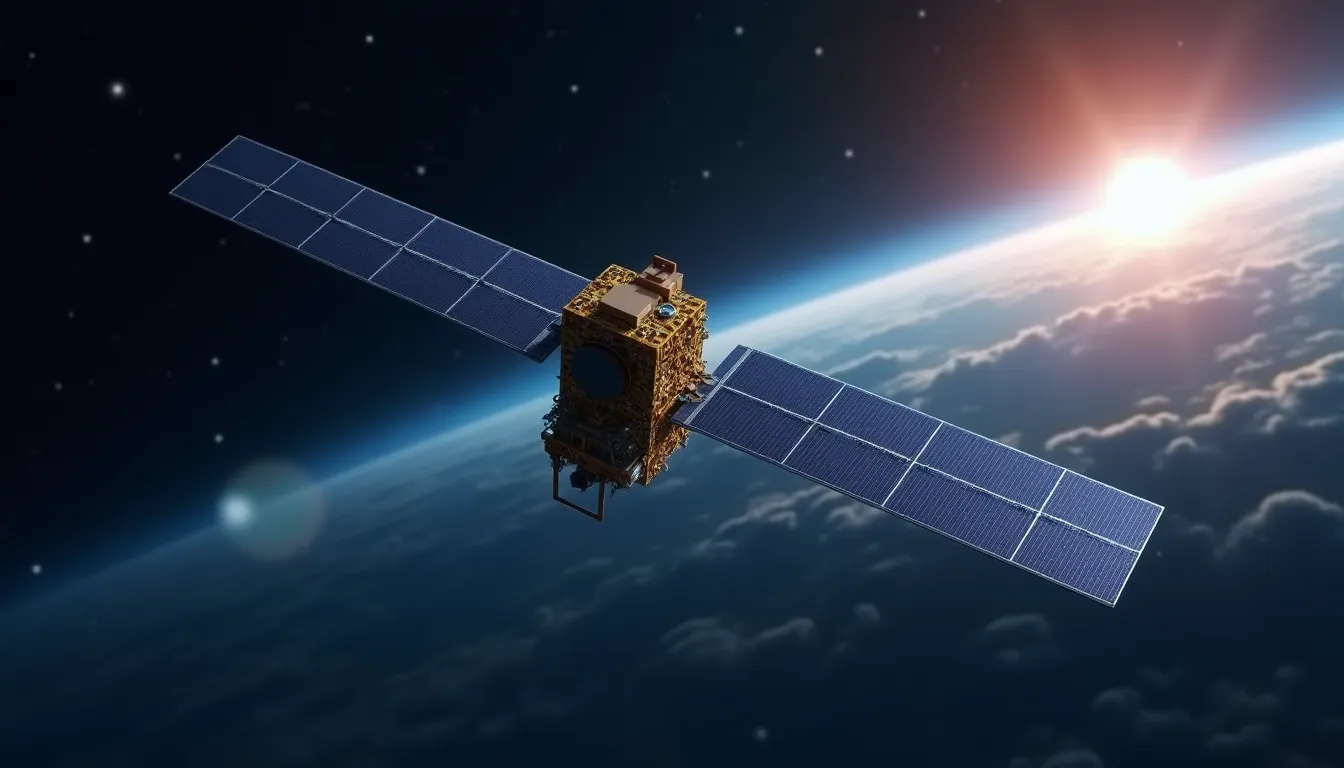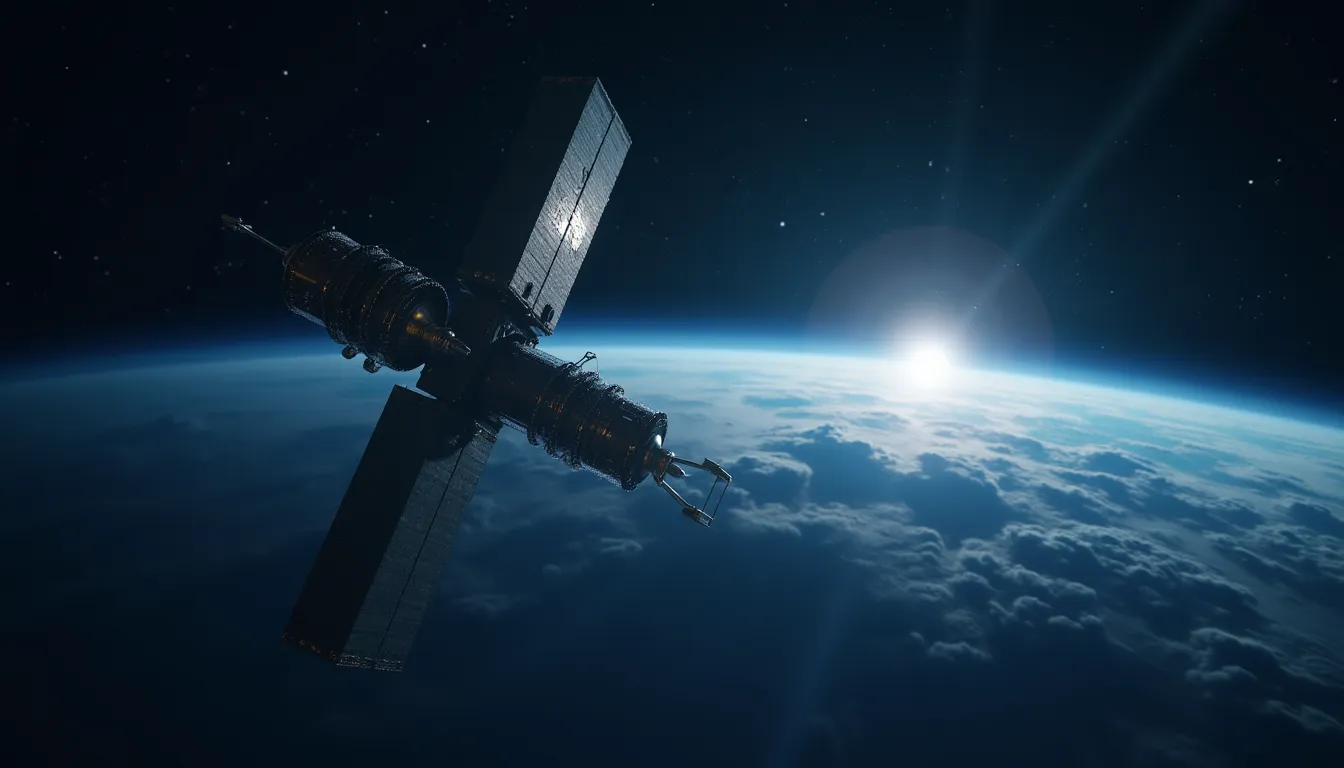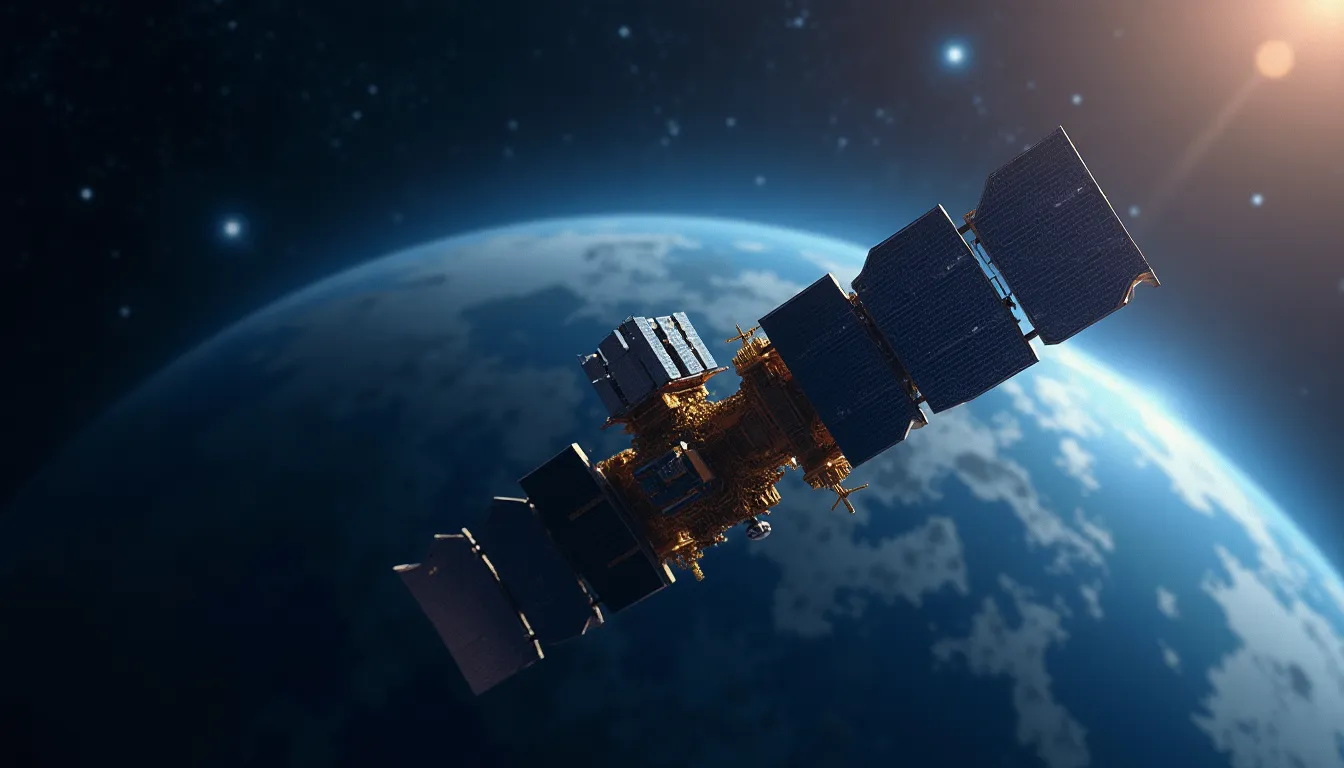
As the number of satellites in orbit continues to rise, effective space traffic coordination has emerged as an essential component of ensuring the safety and efficiency of satellite operations. With projections indicating that thousands of new satellites will be launched in the coming years, addressing the complexities of space traffic management is more critical than ever.
The Growing Satellite Congestion
According to the European Space Agency, the number of operational satellites has surged past 3,300, with estimates suggesting that this number could exceed 30,000 by the end of the decade. This explosion in satellite launches, driven by advancements in technology and the increasing demand for satellite communications, Earth observation, and scientific research, poses unique challenges in terms of collision avoidance and orbital space management.
Dr. Emily Carter, a leading expert in aerospace engineering, stated, “With the increase in satellite launches, we are entering uncharted territory in terms of space congestion. Effective coordination mechanisms are imperative to prevent catastrophic collisions in orbit.”
Coordination Challenges in Space Traffic Management
The primary challenge in space traffic coordination lies in the lack of a centralized system to monitor, track, and manage satellite movements. Unlike air traffic control, which has established protocols and systems to manage aircraft, space lacks a comprehensive regulatory framework. This absence of coordination can lead to increased risks of collisions between satellites, especially in densely populated orbits such as Low Earth Orbit (LEO).
Technological Solutions for Enhanced Coordination
Recent innovations in tracking technology are paving the way for improved space traffic management. High-precision accelerometers and advanced satellite tracking systems are becoming vital tools in this field. These technologies enable real-time monitoring of satellite positions and trajectories, facilitating timely collision avoidance maneuvers.
Moreover, the integration of artificial intelligence (AI) into satellite operations is showing promise in automating traffic management. AI algorithms can analyze vast amounts of data from various sources, predicting potential collision scenarios and suggesting optimal paths for satellite adjustments.
The Role of Global Collaboration
International collaboration is crucial in developing effective space traffic coordination strategies. Organizations such as the United Nations Office for Outer Space Affairs (UNOOSA) are working to establish guidelines that promote cooperation among nations and private companies involved in satellite operations.
“Global collaboration is key to ensuring the sustainable use of outer space. We must work together to establish protocols that will help mitigate risks associated with satellite congestion,” remarked Dr. James Liu, a space policy analyst.
Future Developments in Space Traffic Management
Looking ahead, the deployment of more sophisticated thermal management systems within satellites could also play a role in enhancing their operability in crowded orbits. By ensuring that satellites maintain optimal operational temperatures, these systems can increase the reliability of onboard instruments, thereby improving the accuracy of satellite tracking and coordination efforts.
As the satellite industry evolves, advancements in inertial navigation systems will also be crucial. These systems provide precise guidance and positioning data, allowing satellites to execute complex maneuvers to avoid potential collisions.
Potential Impacts on the Aerospace Industry
The implications of failing to address space traffic coordination challenges could be severe, not only for satellite operators but for the broader aerospace industry. A significant collision could result in the loss of valuable satellites, leading to substantial financial losses and disruptions in services that depend on satellite technology, such as telecommunications, GPS, and weather forecasting.
Furthermore, as countries and companies ramp up their satellite deployment efforts, regulatory bodies will need to adapt to the rapidly changing landscape. This may involve updating international treaties and agreements governing the use of outer space to incorporate modern traffic management principles.
Conclusion: A Call to Action
The increasing number of satellites in orbit presents both opportunities and challenges for the aerospace sector. As we continue to explore and utilize outer space, effective coordination of satellite operations must be a priority to ensure safety and sustainability. By leveraging advanced technologies and fostering international collaboration, the industry can pave the way for a more organized and secure space environment.
As Dr. Carter succinctly put it, “The future of space traffic management hinges on our ability to innovate and collaborate. Only then can we ensure that the cosmos remains a safe frontier for exploration and innovation.”
References
-
satellite Research - defensenews.com (defensenews.com)
-
satellite Research - aviationweek.com (aviationweek.com)
-
satellite Research - spacenews.com (spacenews.com)