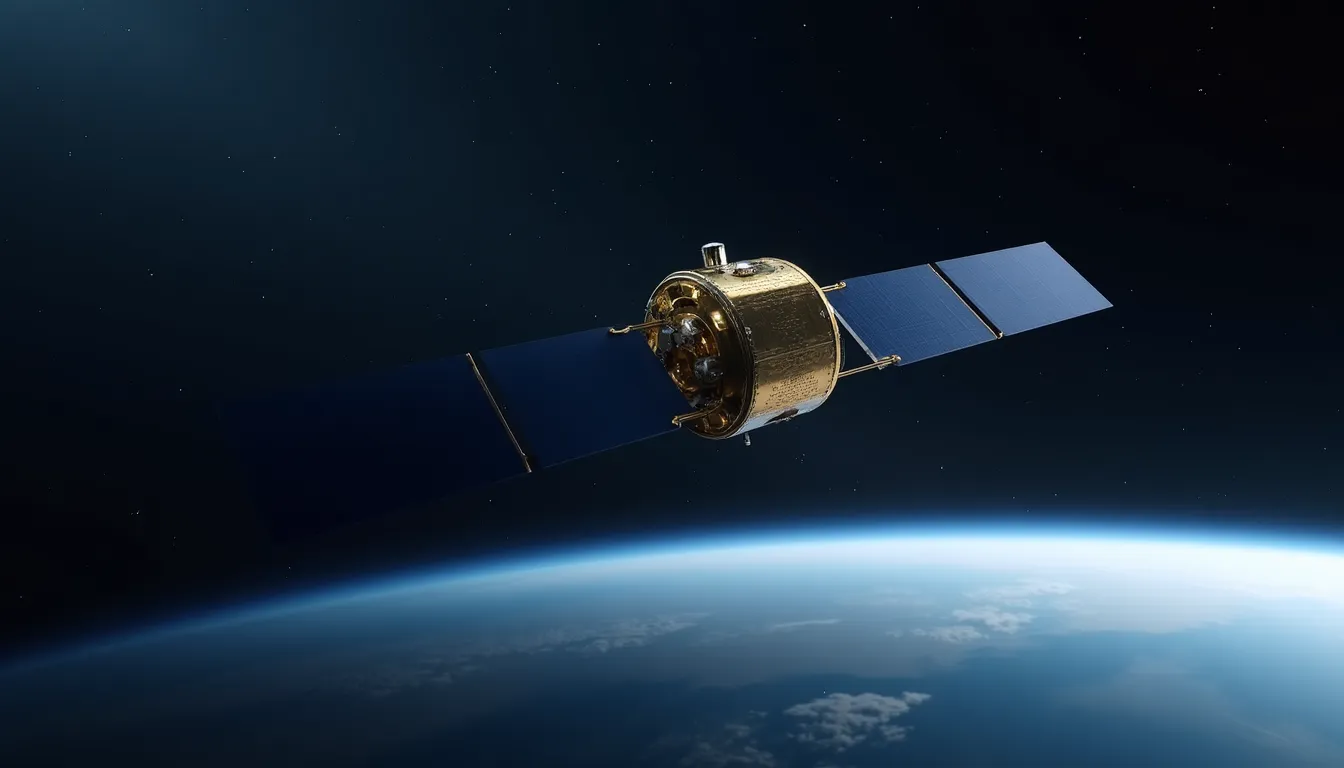
The aerospace community is abuzz with discussions following the recent failure of the H3 rocket, which was attributed to a payload fairing separation anomaly. This incident has significant implications for the reliability of satellite deployment, a critical aspect of modern space endeavors. The H3 rocket, developed by Mitsubishi Heavy Industries (MHI), was poised to enhance Japan’s capabilities in satellite launches, but the failure has brought attention to the technical challenges that still exist in this field.
Understanding the Payload Fairing Separation
Payload fairings are crucial components of rockets, designed to protect satellites during launch. They shield the payload from aerodynamic forces and environmental conditions in the atmosphere until the rocket reaches space. The anomaly in question occurred during this critical phase, leading to the premature release of the fairing and subsequently impacting the rocket’s trajectory.
Experts suggest that such anomalies can often be traced back to the failure of associated systems, including sensors and navigational aids. According to Dr. Emily Takahashi, a leading aerospace engineer at the Japan Aerospace Exploration Agency (JAXA), “The integrity of the payload fairing separation system is paramount. Any deviation can lead to catastrophic results, as we have seen in this case.”
The Role of Advanced Sensor Technology
To mitigate these risks, the integration of advanced sensor technologies is essential. The use of advanced sensor modules can enhance the stability and control of rockets during launch. These modules combine a three-axis gyroscope, accelerometer, and magnetic sensor, enabling comprehensive motion sensing capabilities. Such precision is vital for monitoring the dynamics of the rocket as it ascends, ensuring that any anomalies can be detected and addressed in real-time.
Enhancing Navigation Systems
In addition to sensor integration, the implementation of high-precision advanced navigation systems can significantly improve launch accuracy. These systems utilize fiber optic sensing coils that provide exceptional stability for navigation and measurement applications. Dr. Hiroshi Kimura, a satellite technology consultant, stated, “The advancements in navigation technologies are crucial. We must ensure that our satellites are equipped with the best systems available to prevent future anomalies during critical phases of launch.”
Potential Impacts on Future Satellite Deployments
The H3 rocket failure raises concerns about the future of satellite deployments, particularly for missions that are crucial for national security, telecommunications, and scientific research. With increasing reliance on satellites for global connectivity and data collection, maintaining robust and reliable launch systems is more important than ever.
Industry analysts predict that this incident may lead to a reevaluation of current launch protocols. In light of the findings related to the payload fairing anomaly, companies may invest more heavily in R&D to enhance the reliability of their launch systems. This could include increased testing phases and the incorporation of advanced technologies that have proven successful in mitigating similar issues.
Conclusion: A Call for Innovation
As the aerospace industry moves forward, the lessons learned from the H3 failure will undoubtedly shape the future of satellite launches. The integration of advanced sensor modules and navigation systems will be pivotal in ensuring the reliability and success of future missions. As Dr. Takahashi noted, “Innovation is key. We must leverage the latest technology and insights to ensure the safe and successful deployment of our satellites.”
In conclusion, while setbacks like the H3 failure pose challenges, they also present opportunities for growth and improvement in the aerospace sector. By focusing on technological advancements and rigorous testing, the industry can enhance its capabilities and ensure a more reliable future for satellite deployments.
References
-
satellite Research - defensenews.com (defensenews.com)
-
satellite Research - aviationweek.com (aviationweek.com)
-
satellite Research - spacenews.com (spacenews.com)