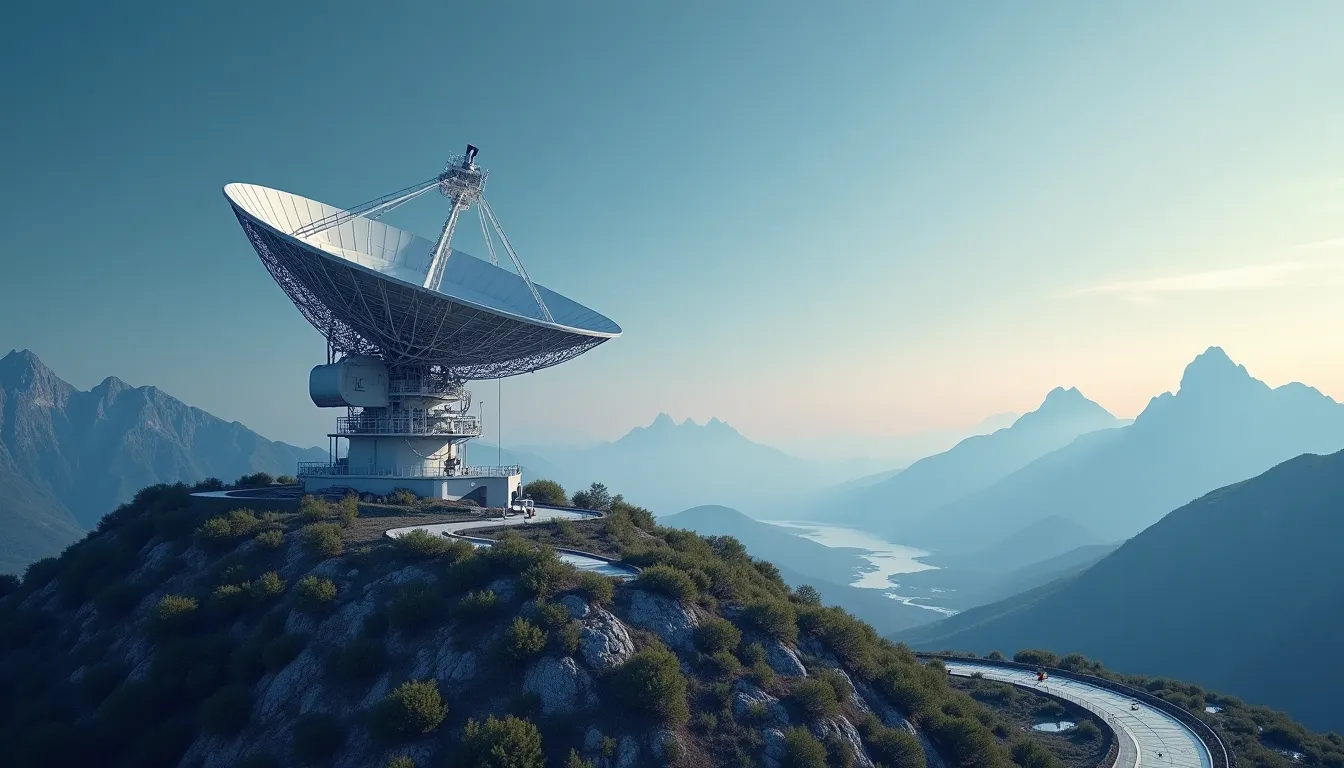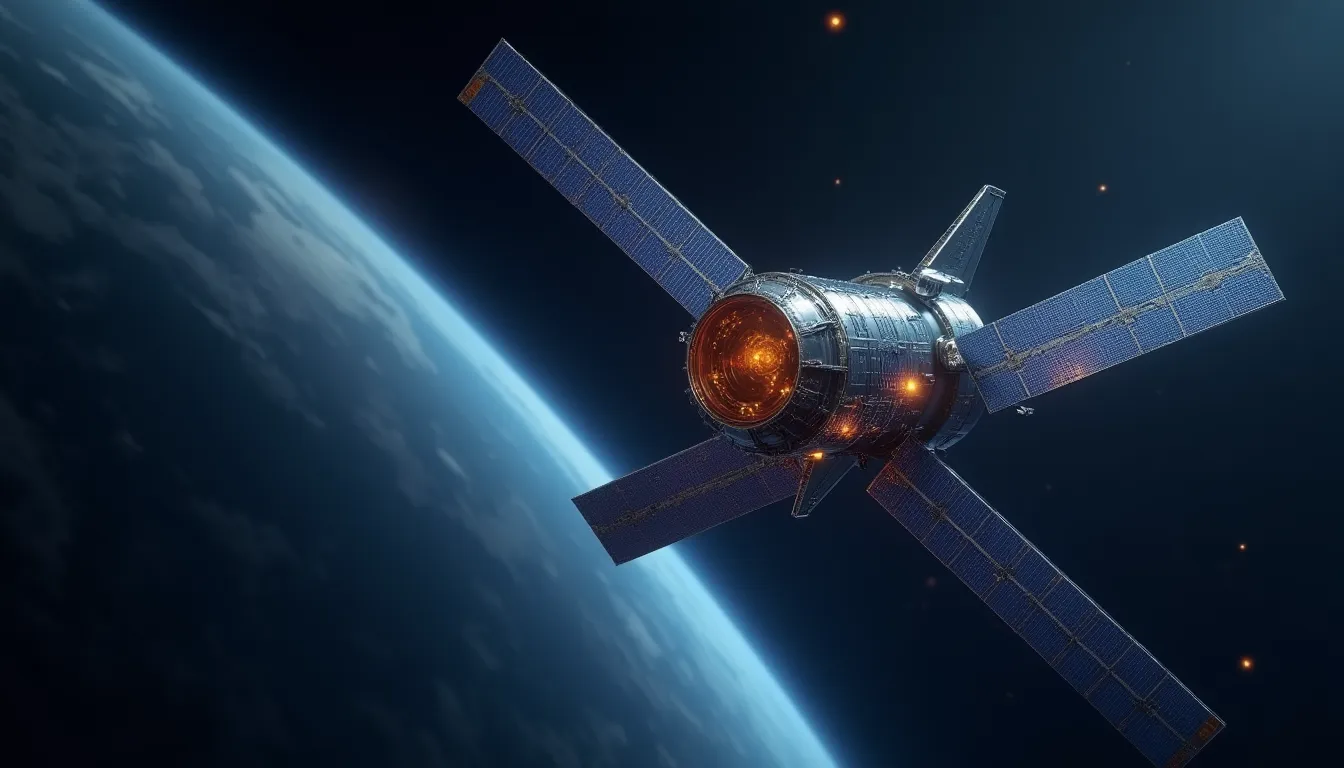
Recent reports indicate that investments in space infrastructure have surged to a five-quarter high, reflecting growing confidence in the satellite industry. According to a study by the Space Foundation, investment in satellite technologies is poised to reach unprecedented levels, driven by advancements in satellite services, manufacturing, and ground systems. This article delves into the implications of this surge and highlights the technologies that are shaping the future of satellite operations.
Investment Landscape
The space infrastructure sector has witnessed robust growth, with venture capital and government funding increasingly directed toward satellite technologies. The Space Foundation’s report highlights a notable increase in both private and public sector investments, which have reached approximately $8 billion in the last quarter alone. This marks a substantial increase compared to previous quarters, driven by demands for enhanced communication, Earth observation, and navigation capabilities.
Key Drivers of Growth
Several factors are contributing to this surge in investment. The growing demand for high-speed broadband, particularly in underserved areas, is pushing satellite companies to expand their constellations. Moreover, advancements in satellite miniaturization and propulsion technologies are enabling the deployment of larger numbers of satellites at lower costs. This trend is exemplified by the increasing popularity of low Earth orbit (LEO) satellite constellations, which promise to deliver global internet coverage.
Technological Innovations Enhancing Satellite Capabilities
As investments ramp up, several technologies are emerging as critical enablers of next-generation satellite capabilities. Key innovations include advanced inertial navigation systems that enhance the precision of satellite positioning and movement. These systems are essential for maintaining the stability and accuracy of satellites, particularly as they navigate through unpredictable space environments.
For instance, the JDWZZ1930B System, a high-performance 6-DOF MEMS inertial measurement unit, integrates a three-axis gyroscope and accelerometer. This system is designed to withstand extreme conditions, making it ideal for satellite applications where shock resistance and zero bias stability are paramount. Its features facilitate precise navigation and stabilization, critical for the efficient operation of satellite constellations.
Expert Perspectives on the Future of Satellite Technology
Industry experts are optimistic about the future of satellite technology. Dr. Emily Carter, a leading aerospace engineer, states, “The growing investments in space infrastructure are not only beneficial for satellite manufacturers but also for end-users who rely on satellite services for everything from telecommunications to climate monitoring. The advancements in inertial navigation and thermal management systems will significantly enhance satellite performance and reliability.”
Future Developments and Challenges
Despite the positive outlook, the satellite industry faces several challenges. Regulatory hurdles, spectrum allocation issues, and the increasing risk of space debris pose significant threats to satellite operations. As more satellites are launched into orbit, the challenge of mitigating space debris becomes increasingly critical. Industry stakeholders are advocating for international cooperation to develop sustainable practices for satellite deployment and end-of-life management.
Conclusion
The recent surge in space infrastructure investments signals a transformative period for satellite technology. As the industry evolves, innovations in inertial navigation systems and other advanced technologies will play a pivotal role in enhancing satellite capabilities. The future holds promising developments that could redefine how we utilize satellite services across various sectors, making it a key area to watch in the coming years.
As we move forward, collaboration among governments, private sectors, and international organizations will be essential to address the challenges and capitalize on the opportunities presented by this booming industry.
References
-
satellite Research - defensenews.com (defensenews.com)
-
satellite Research - aviationweek.com (aviationweek.com)
-
satellite Research - spacenews.com (spacenews.com)