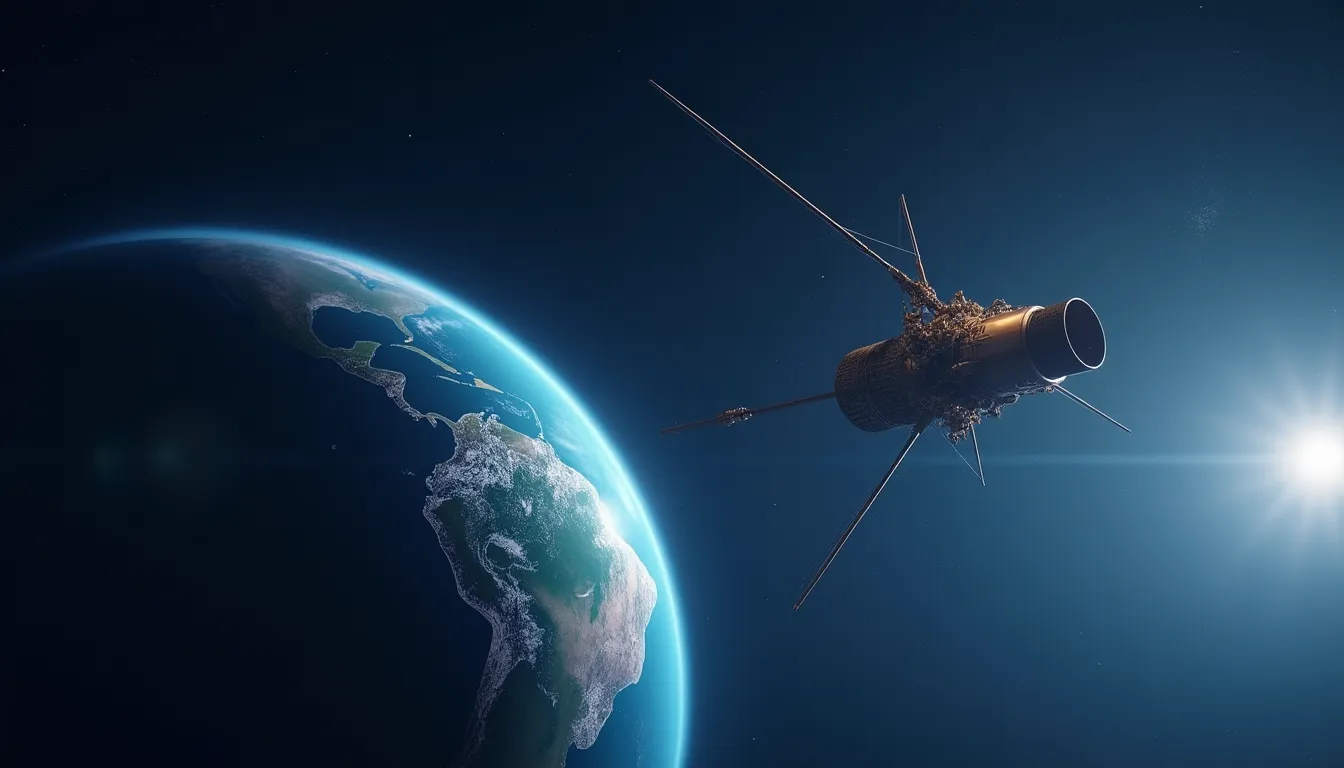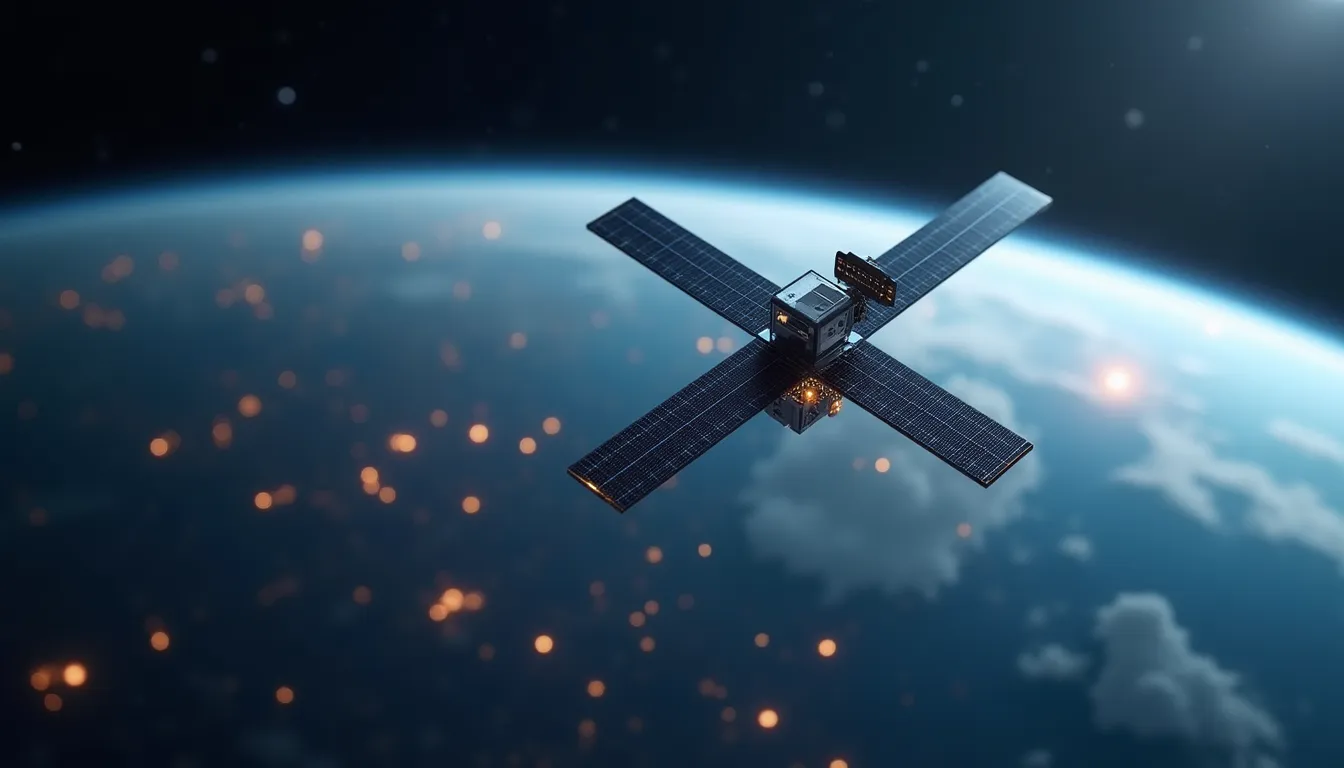
As the aerospace industry enters 2026, SpaceX has kicked off the year with significant advancements, including the successful launch of Italy’s Cosmo-SkyMed Second Generation Flight Model 3 (CSG-FM3) satellite and a strategic plan to lower the altitude of its Starlink satellite constellation. These developments underscore SpaceX’s commitment to innovation in both commercial and military applications.
Successful Launch of CSG-FM3 Satellite
On January 2, 2026, SpaceX successfully launched the CSG-FM3 satellite using its Falcon 9 rocket from Vandenberg Space Force Base in California. This mission was particularly notable as it marked SpaceX’s first orbital launch in 16 days, following delays caused by hydraulic issues on the launch pad. The CSG-FM3, weighing 1,700 kg (3,748 lb), serves a dual purpose: civilian and military Earth observation for the Italian government, and it is the third satellite in the second-generation constellation, which aims to enhance Italy’s capabilities in monitoring environmental changes and supporting defense operations.
The Falcon 9 booster B1081 executed its 21st flight during this launch, showcasing SpaceX’s reusable rocket technology. The launch took place at 6:09 PM PST (02:09 UTC January 3), sending the satellite into a southern trajectory toward low Earth orbit. Italian Defense Minister Guido Crosetto emphasized the launch as a model of defense-industry synergy, highlighting its significance for national security and innovation.

Image: CSG-FM3 deploying from Falcon 9 (Source: Spaceflight Now)
Strategic Adjustment to Starlink Orbits
In a proactive move to enhance the safety of its satellite network, SpaceX announced plans to lower the orbits of approximately 4,400 of its Starlink satellites from 550 km to 480 km. This adjustment is crucial as the industry approaches a solar minimum, a period characterized by reduced solar activity that affects atmospheric density. By lowering the satellites’ altitude, SpaceX aims to decrease the ballistic decay time from over four years to mere months, significantly mitigating the risk of collisions with other space debris.
Michael Nicolls, SpaceX’s Vice President, communicated this strategy via social media platform X, stating that the change addresses the increasing threats posed by space congestion. The decision reflects SpaceX’s commitment to operational safety within its expanding constellation, which currently comprises approximately 9,400 satellites.
Upcoming Launch Schedule
Following the successful CSG-FM3 launch, SpaceX has scheduled several Starlink missions set to occur within the first half of January 2026. The upcoming launches are as follows:
| Mission | Rocket | Launch Site | Target Date | Landing |
|---|---|---|---|---|
| Starlink | Falcon 9 | SLC-40, Florida | January 3, 2026 (21:00 PT) - January 4, 2026 (00:17 PT) | Droneship |
| Starlink | Falcon 9 | SLC-40, Florida | January 10, 2026 | Droneship |
| Starlink | Falcon 9 | SLC-40, Florida | January 14, 2026 | Droneship |
These missions will continue to bolster the Starlink network, which provides broadband internet access to underserved areas worldwide and supports various applications, from personal use to military operations.
Future Missions and Developments
SpaceX is also preparing for its NASA Crew-12 mission, which is anticipated to launch no earlier than early 2026. While technical details regarding this mission remain limited, it will involve a crew from three different agencies, emphasizing SpaceX’s integral role in NASA’s Artemis program and its broader missions in human spaceflight.
As the aerospace landscape evolves, SpaceX’s innovative approaches to satellite deployment and management position the company at the forefront of both commercial and defense sectors. With advanced technologies like precision accelerometers, which enhance navigation systems, and thermal battery systems that offer reliable power solutions for military applications, SpaceX exemplifies how modern aerospace companies are leveraging cutting-edge technology to meet diverse needs.
Conclusion
SpaceX’s recent activities, including the successful launch of the CSG-FM3 satellite and the strategic adjustment of Starlink orbits, reflect its ongoing commitment to safety, innovation, and efficiency in the aerospace industry. As the company looks ahead to several upcoming launches and missions in collaboration with NASA, it remains a key player in shaping the future of space exploration and satellite technology. With a focus on advanced solutions, SpaceX continues to pave the way for future developments in both commercial and defense arenas, ensuring its status as a leader in the aerospace sector.
References
-
SpaceX opens 2026 with launch of Cosmo-SkyMed Earth observation satellite for Italy (spaceflightnow.com) - 1/3/2026 The Cosmo-SkyMed Second Generation Flight Model 3 satellite deploys from SpaceX’s Falcon 9 rocket on Jan. 2, 2026.
-
SpaceX lowering orbits of 4,400 Starlink satellites for safety’s sake (www.space.com) - 1/3/2026 SpaceX will soon lower the orbits of about 4400 Starlink satellites, to decrease the threat they pose to other spacecraft and reduce space …
-
X Report 2 Jan 2026 (keeptrack.space) - 1/3/2026
-
Space Brief 2 Jan 2026 (keeptrack.space) - 1/3/2026
-
2026 News Releases (www.nasa.gov) - 1/3/2026 As part of NASA’s SpaceX Crew-12 mission, four crew members from three space agencies will launch no earlier … Jan 02, 2026. Page Editor: Dacia Massengill.
-
Launches - SpaceX (www.spacex.com) - 11/26/2022 Upcoming launches ; Starlink Mission. Falcon 9, SLC-40, Florida, Droneship, January 10, 2026 ; Starlink Mission. Falcon 9, SLC-40, Florida, Droneship, January 14, …
-
SpaceX (www.spacex.com) - 1/1/2002 EXPLORE. Upcoming Launches. COSMO-SkyMed Second Generation Mission January 2, 2026, 18:09 PT. Starlink Mission January 3, 2026 21:00 PT - January 4, 2026 00:17 …