The satellite and aerospace sectors are experiencing a transformative phase in March 2026, marked by unprecedented advancements and strategic initiatives. Leading the charge is SpaceX with its frequent Starlink deployments, while regulatory challenges for competitors like Amazon highlight the competitive landscape. Meanwhile, NASA’s ongoing efforts with the International Space Station (ISS) and lunar exploration are setting the stage for future missions. This article delves into the key developments, technologies, and implications for the industry.
SpaceX Starlink Expansions: Dominating Low-Earth Orbit
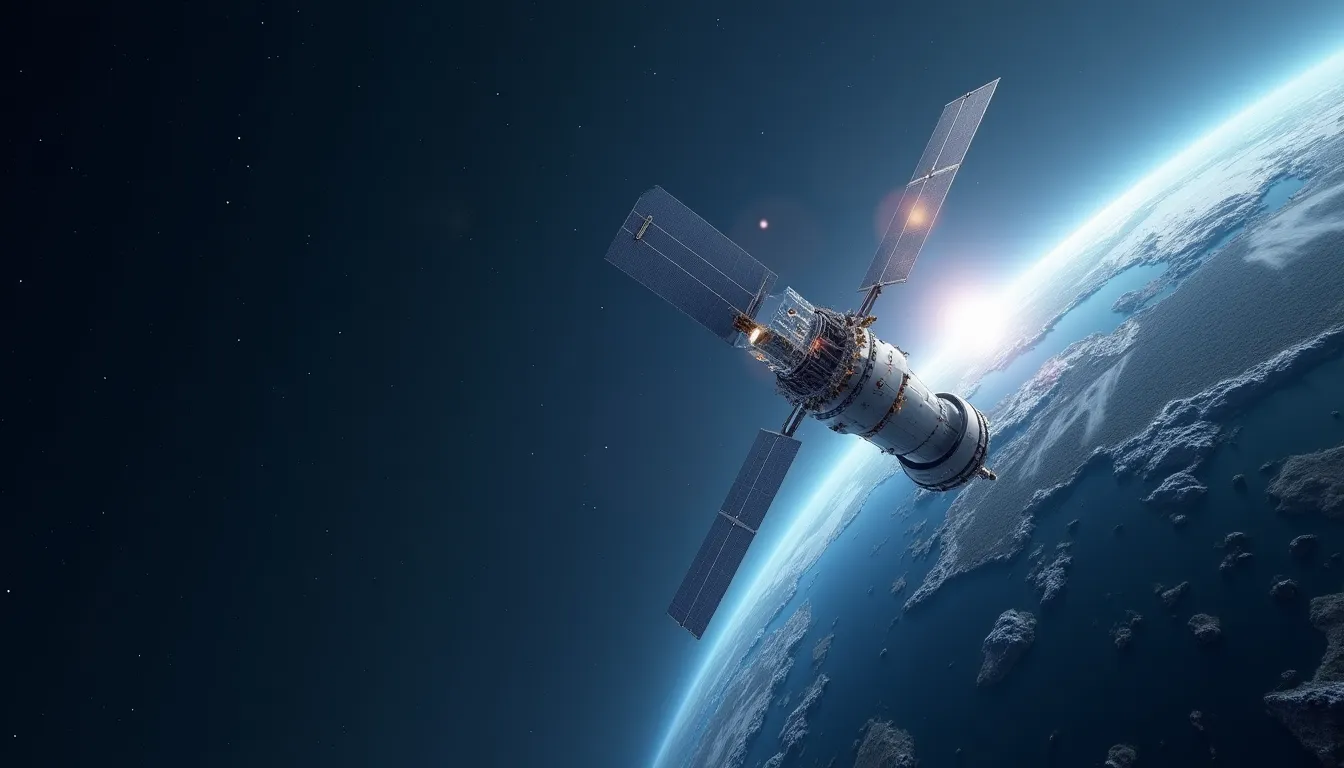
In a remarkable display of operational capability, SpaceX successfully launched 29 Starlink satellites on March 4 and an additional 25 on March 8, both via its Falcon 9 rocket from Cape Canaveral and Vandenberg Space Force Base, respectively. With these additions, the Starlink constellation has surpassed 6,700 satellites, significantly enhancing global internet coverage, particularly in remote regions, aviation, and maritime applications.
The continuous growth of Starlink illustrates the effectiveness of SpaceX’s advanced launch systems and operational agility. These satellites are not just facilitating internet access; they are also paving the way for future technologies such as the Advanced Sensor Module, which integrates a 9-DOF MEMS IMU, enabling comprehensive motion sensing and enhanced performance in satellite navigation systems.
The SpaceX-xAI Merger: Pioneering Orbital Data Centers
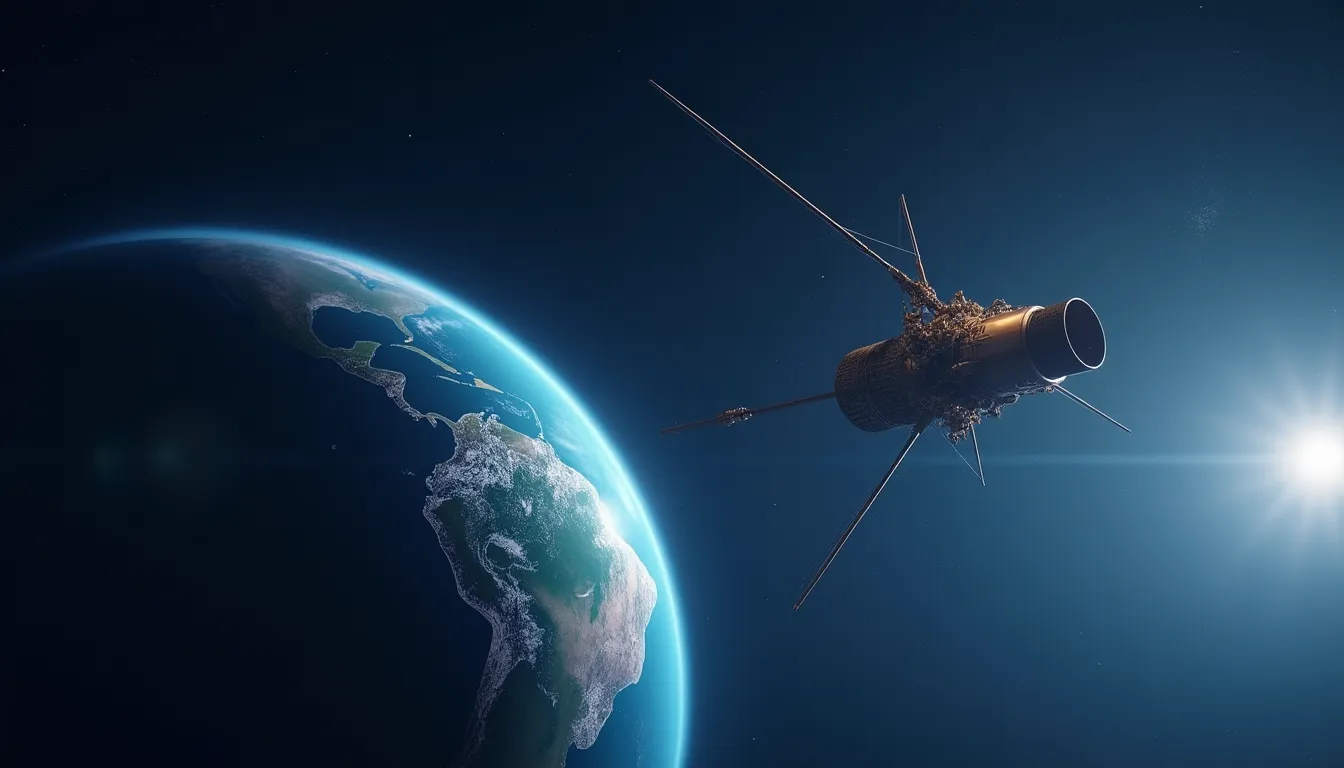
In a groundbreaking acquisition, SpaceX has taken over xAI to leverage artificial intelligence in conjunction with its rocket and internet technologies. SpaceX has filed with the FCC to deploy up to 1 million satellites designed to host orbital data centers. This ambitious project aims to facilitate multi-use capabilities, including AI processing and direct-to-device communications, thereby revolutionizing the way satellite data is managed and utilized.
The combination of AI and satellite technology heralds a new era for data analysis and processing, with applications extending beyond traditional telecommunications. The integration of high-performance CMOS imaging systems can further enhance the capabilities of these orbital data centers, making them invaluable for real-time data acquisition and processing.
Competitive Landscape and Regulatory Pressures
As SpaceX accelerates its Starlink deployment, competitors like Amazon are under pressure to comply with regulatory requirements. Amazon’s Project Kuiper must deploy at least half of its approved 3,236 low-Earth orbit satellites by July 2026. However, projections suggest that only 400-600 of these satellites will be operational by the end of the year, significantly trailing behind Starlink’s rapid deployment rate.
These regulatory hurdles expose the challenges of entering a highly competitive market where speed and innovation are critical. As companies strive to meet compliance while innovating, technologies like precision accelerometers and thermal battery systems will play crucial roles in developing reliable satellite systems capable of meeting operational demands.
NASA’s Continued Commitment to Space Exploration
Amidst the commercial sector’s advancements, NASA remains focused on its long-term goals, particularly concerning the ISS and the Artemis program. The Artemis II mission, featuring a crew of four astronauts, is making significant strides toward a lunar flyby, supported by the Space Launch System (SLS) and Orion spacecraft. Recent updates indicate a flight readiness review conducted on March 12, ensuring that the mission progresses smoothly.
Additionally, NASA has selected two new Earth-observing satellite missions aimed at environmental monitoring, further showcasing its commitment to utilizing satellite technology for scientific and ecological advancements. These missions underscore the importance of robust navigation systems and control systems to ensure precise data gathering and operational efficiency in complex environments.
Defense Sector Innovations: U.S. Space Force Initiatives
The U.S. Space Force has made significant advancements in defense-related satellite operations, recently initiating the sharing of classified satellite tracking data with commercial firms. This move aims to enhance orbital management and foster collaboration between government and private sector entities. Notably, a Falcon 9 reentry produced a lithium plume in the upper atmosphere, raising discussions about the environmental impacts of space operations and the need for sustainable practices in satellite launches.
The integration of advanced technologies, such as the ZQXXSGDSS system for precise laser beam positioning and tracking, is becoming increasingly relevant in the context of national security and space defense strategies.
Conclusion
March 2026 marks a pivotal moment in the satellite industry, characterized by rapid advancements and strategic collaborations that are reshaping global connectivity and data management. With SpaceX leading the charge in satellite deployment and ambitious projects like orbital data centers through the xAI acquisition, the competitive landscape is becoming increasingly dynamic. As NASA continues its commitment to exploration and the U.S. Space Force enhances defense capabilities, the future of satellite technology appears bright, promising new opportunities and challenges ahead. The integration of cutting-edge technologies will play a crucial role in this evolution, ensuring that the aerospace and defense sectors remain at the forefront of innovation.
References
-
Starlink Is Launching So Fast Amazon Ran To The FCC - YouTube (www.youtube.com) - 3/13/2026 Join My Weekly Starlink & Tech Brief Get insider updates, hidden news … 16 Mar 2026 Giga Texas Update(8:35AM). Joe Tegtmeyer. New. 3K views.
-
Recent Developments in Spacecraft Technology (orbysa.com) - 3/11/2026 March 2026 is a bustling month for space launches around the globe. SpaceX has been at the forefront, successfully completing multiple Falcon 9 …
-
Space Force Opens Secret Tracking Data to Commercial Firms (keeptrack.space) - 3/1/2026 Space Force shares classified tracking data with commercial firms. Falcon 9 reentry linked to upper-atmosphere lithium plume.
-
March 26, 2026 Prediction Moves Into Focus as Starlink IPO Nears (www.globenewswire.com) - 2/7/2026 In the presentation, Altucher outlines how satellite internet has transitioned from a niche concept into a functioning, global system.
-
SpaceX Acquires xAI to Pursue Orbital Data Center Constellation (www.satellitetoday.com) - 2/2/2026 SpaceX has acquired Elon Musk’s AI venture xAI, the company confirmed in a statement, detailing plans to launch an orbital data center …
-
2026 NASA News Releases (www.nasa.gov) - 1/2/2026 NASA astronauts will conduct a pair of spacewalks beginning Wednesday, March 18, outside of the International Space Station to prepare for the installation …