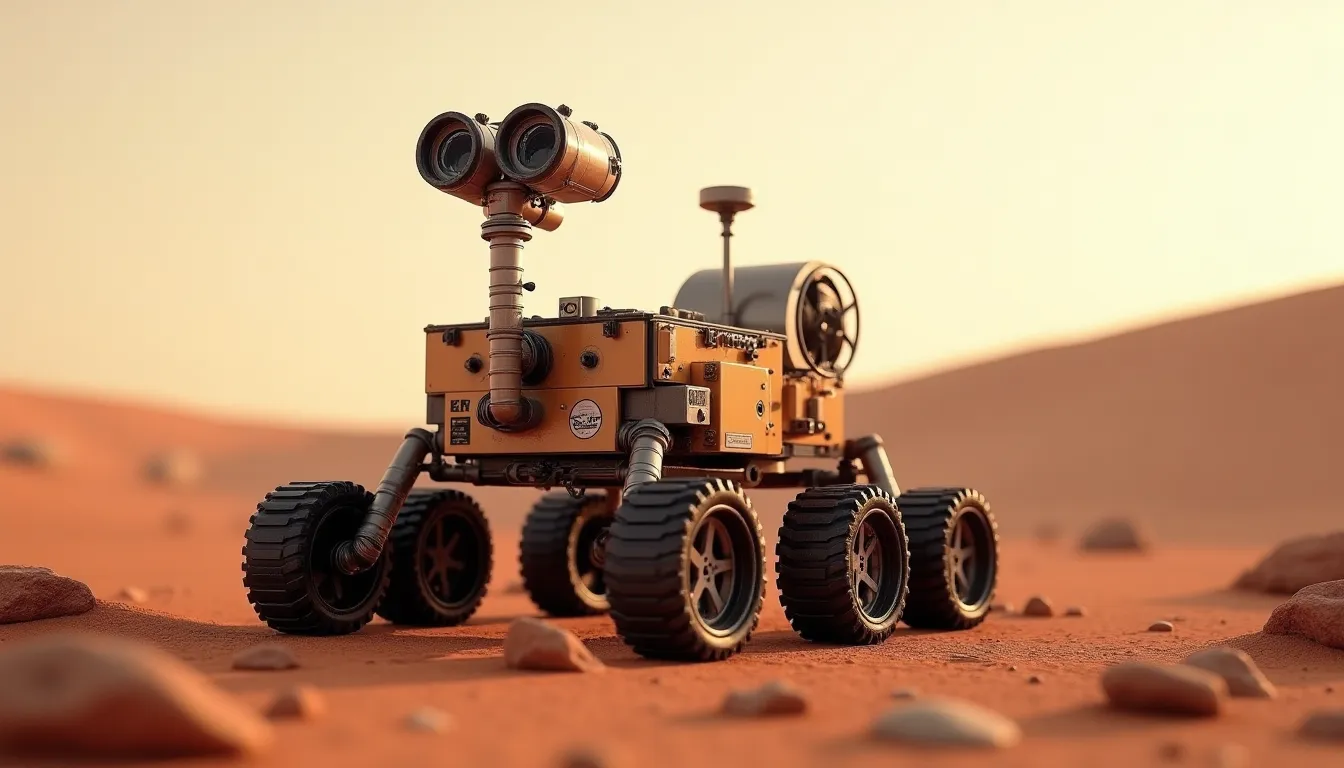
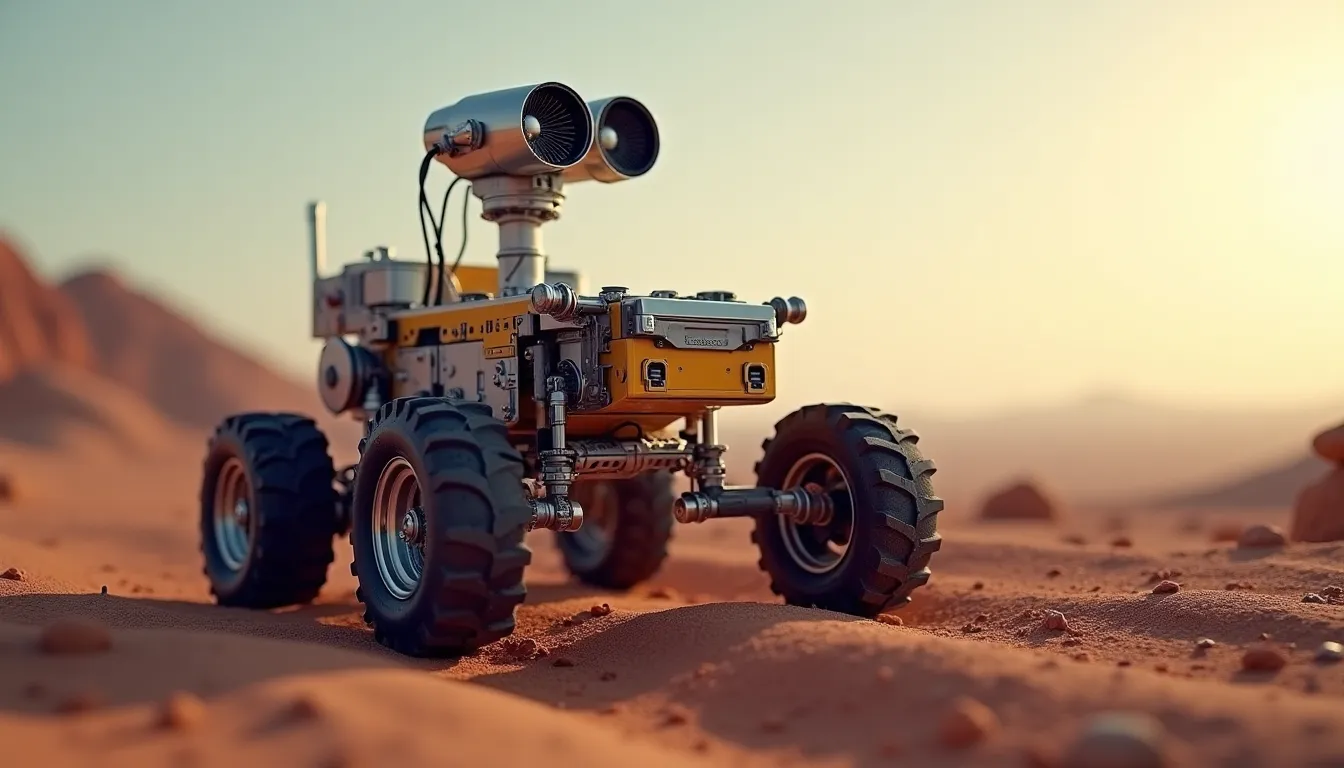
The Curiosity rover remains on the forefront of Mars exploration, providing invaluable data and insights into the planet’s geology and atmosphere. Recent updates from Sols 4636 and 4637 reveal the rover’s ongoing efforts to navigate challenging terrain while conducting scientific observations.
Navigating Challenging Terrain
During Sols 4636 and 4637, Curiosity faced significant obstacles as it approached a steep wall of sedimentary rock, known as “the cliff of the sulfate-bearing unit”. This geological feature is crucial for understanding the planet’s climatic history.
Dr. Sarah Johnson, a planetary geologist at NASA, stated, “The wall presents both an exciting opportunity and a challenge. We are able to study the layers of Martian history, but maneuvering around such geological formations requires precise navigation and control.”
To tackle these challenges, Curiosity employs advanced inertial navigation systems, ensuring it maintains precise orientation and path tracking as it explores the Martian landscape. These systems play a critical role in preventing potential mishaps during exploration, especially in rugged terrain.
Scientific Instruments at Work
Curiosity is equipped with a suite of scientific instruments designed to analyze the Martian surface. The rover’s primary tools include the ChemCam, which uses laser-induced breakdown spectroscopy to analyze the composition of rocks and soil, and the Sample Analysis at Mars (SAM) suite, which can analyze samples for organic compounds.
In the recent mission phases, the rover used its drill to collect samples from the sedimentary wall. The findings could shed light on the historical presence of water on Mars and inform scientists about the planet’s potential habitability.
“Understanding the mineralogy of these sedimentary deposits is key to piecing together the history of water on Mars,” explained Dr. Michael Grant, a mission scientist. “We are particularly interested in the sulfate minerals that can indicate past environmental conditions.”
The Role of Advanced Technologies
As Curiosity continues its exploration, the role of advanced technologies becomes more pronounced. The rover’s ability to adapt to unforeseen challenges is supported by high-precision advanced navigation systems, which enhance its ability to traverse and analyze complex geological formations. This capability is essential for future missions, as it allows for comprehensive examination of the Martian surface while minimizing the risks associated with navigation.
Future Implications for Mars Exploration
The data collected during these sols not only contribute to our understanding of Mars but also lay the groundwork for future missions, including potential crewed missions to the planet. The insights gained from the Curiosity rover are vital for NASA’s Artemis program, which aims to establish a sustained human presence on the Moon and prepare for human exploration of Mars.
“Every bit of information we gather helps to inform our strategies for future exploration,” noted Dr. Emily Tran, a systems engineer at NASA. “We are learning how to better equip our rovers and landers, ensuring they can handle the complexities of the Martian environment.”
Conclusion
As the Curiosity rover continues its exploration on Mars, the challenges it faces and the technologies it employs are paving the way for future discoveries. With each sol, the rover not only enhances our knowledge of the Red Planet but also sets the stage for human exploration beyond Earth. The importance of advanced navigation and scientific instrumentation cannot be overstated, as they will be critical in unlocking the mysteries of Mars and beyond.
For those interested in the technological advancements supporting these explorations, high-precision gyroscopic instruments play an integral role in ensuring the rover’s stability and accuracy during its missions. As we look to the future, Curiosity remains a beacon of innovation and discovery in the realm of planetary science.