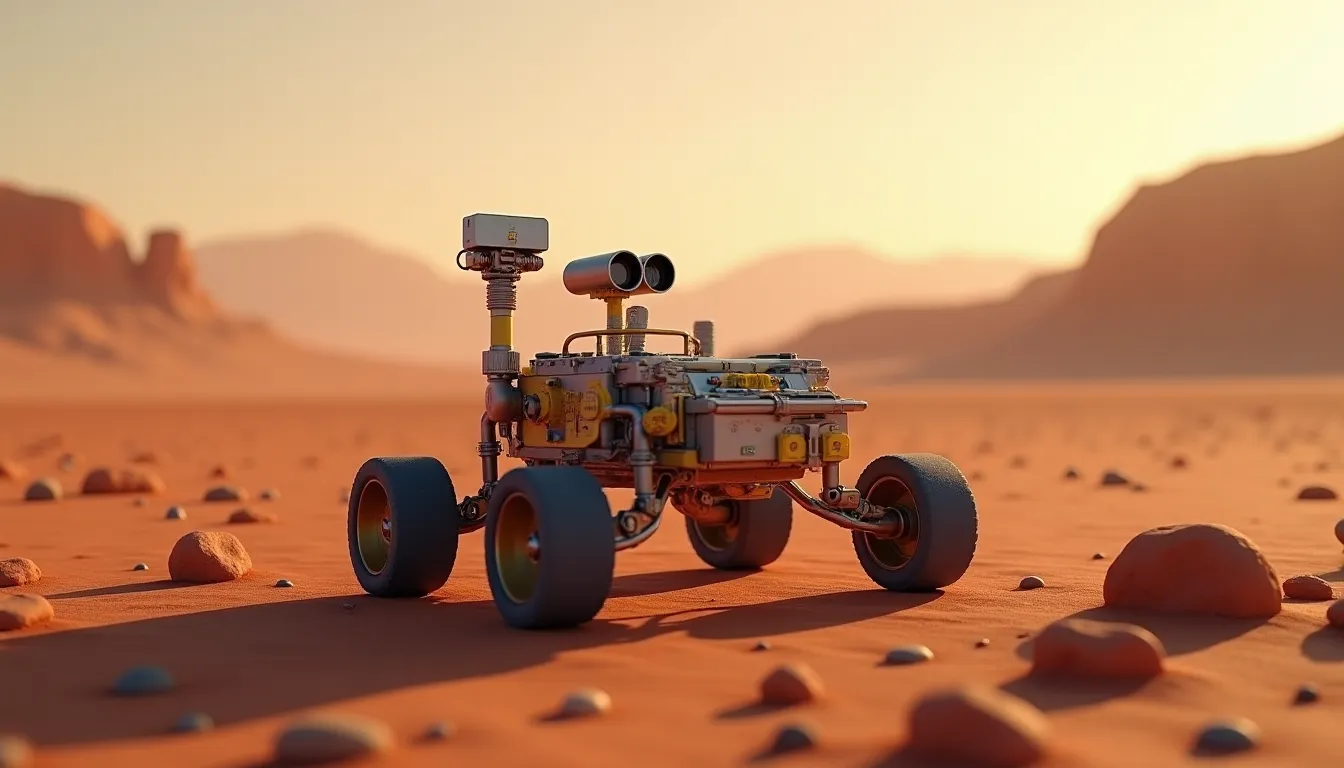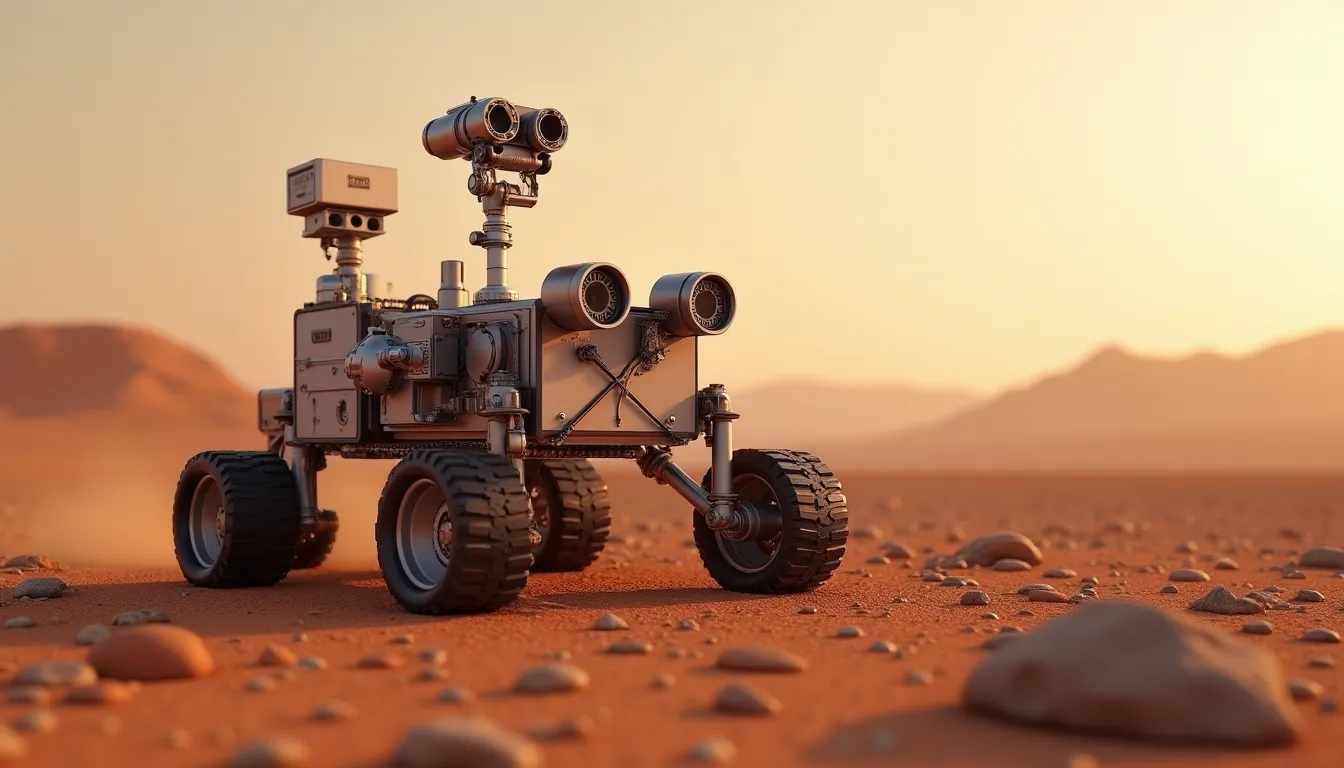
NASA’s Curiosity Rover has made significant strides in its mission on Mars, recently initiating drilling operations in a geological formation known as the Boxwork Unit. This development, reported in the Curiosity Blog for Sols 4689-4694, highlights Curiosity’s ongoing role in uncovering the mysteries of the Martian surface and contributing to our understanding of the planet’s geological history.
Understanding the Boxwork Unit
The Boxwork Unit is characterized by a unique geological formation that consists of a network of thin, raised ridges, which are believed to be remnants of ancient water activity. By drilling into this formation, scientists hope to gather samples that will provide insights into Mars’ past environmental conditions, specifically the presence of water and the planet’s potential habitability.
Curiosity’s ability to drill into such formations is made possible by its state-of-the-art drilling system, which integrates high-precision accelerometers to ensure accurate motion sensing during operations. These advanced technologies allow the rover to perform intricate tasks with precision, even in the challenging Martian landscape.
Technical Advancements in Drilling Operations
The recent drilling operation marks a significant milestone for the rover, as it prepares to collect samples that will be analyzed for mineralogical and chemical composition. The drill, equipped with powerful gyroscopic instruments, ensures that the rover maintains stability during sampling, minimizing the risk of damage to both the rover and the geological site.
Drilling operations in the Boxwork Unit also involve the use of sophisticated dust management systems. These thermal management systems are critical in maintaining optimal operating conditions for the drill and associated instruments, ensuring that they function correctly despite the extreme temperatures of the Martian environment.
Insights from the Mission Team
According to Dr. Ashwin Vasavada, the Curiosity project scientist at NASA’s Jet Propulsion Laboratory, “The Boxwork Unit is a prime target for exploration due to its unique geological features. By drilling into this formation, we expect to gather valuable data that could reshape our understanding of Mars’ hydrological history.”
The rover’s drilling operations are carefully monitored by mission control, allowing scientists to analyze the data in real-time and make informed decisions about subsequent actions. The information gathered from this mission could have significant implications for future Mars exploration, including insights that inform the design of future robotic missions and even human exploration.
Future Developments and Implications
As Curiosity continues its exploration, the data retrieved from the Boxwork Unit may pave the way for further investigations into Mars’ past. The findings could support the hypothesis of ancient water flows and potentially identify locations that are suitable for future human exploration.
Moreover, the successful execution of these drilling operations demonstrates the effectiveness of NASA’s technology developments, particularly in precision instruments and operational systems. The advancements in inertial navigation systems used by Curiosity have played a critical role in enhancing the rover’s ability to navigate and operate autonomously in the Martian terrain.
In the coming months, scientists will analyze the data collected from the Boxwork Unit. This analysis could lead to groundbreaking discoveries regarding the planet’s geological history and its capacity to support life.
Conclusion
The ongoing efforts of the Curiosity Rover in the Boxwork Unit represent a significant step forward in Martian exploration. With its cutting-edge technologies and the expertise of the mission team, Curiosity continues to provide invaluable insights into the Red Planet, setting the stage for future explorations. As we await the results from this latest drilling operation, one thing is clear: Curiosity’s journey is far from over, and its contributions to planetary science will continue to resonate for years to come.
For more updates on the Curiosity Rover’s mission and the latest advancements in space exploration technology, stay tuned to NASA’s official channels and the Curiosity Blog.
References
-
Curiosity Research - defensenews.com (defensenews.com)
-
Curiosity Research - aviationweek.com (aviationweek.com)
-
Curiosity Research - spacenews.com (spacenews.com)