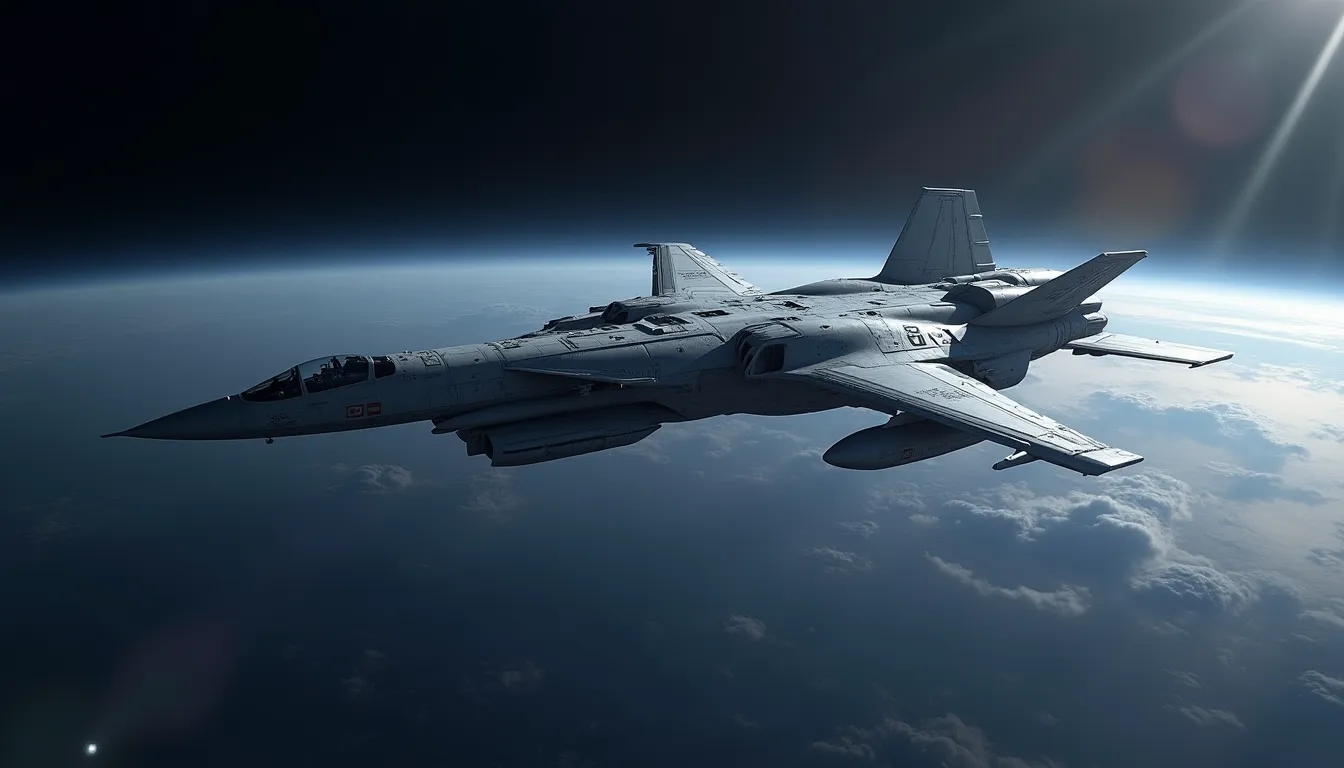
In recent years, the aerospace and defense sectors have witnessed a seismic shift in satellite technology, marked by the emergence of small satellites and the integration of advanced artificial intelligence (AI) systems. These innovations are not only revolutionizing Earth observation and remote sensing capabilities but are also enhancing mission resilience in defense scenarios. As the industry evolves, understanding these trends becomes essential for stakeholders across the sector.
The Shift Towards Small Satellites
Satellite miniaturization has become a defining trend, particularly in the realm of low Earth orbit (LEO) operations. Smaller, lighter satellites are rapidly replacing larger platforms due to significant reductions in launch costs and a burgeoning demand for geospatial intelligence. This transition is exemplified by the deployment of small satellites for Earth observation and remote sensing tasks, which can provide timely data for applications ranging from environmental monitoring to disaster response.
According to a recent report by Epicflow, the advantages of small satellites include lower operational costs and the ability to deploy constellations that increase coverage and data acquisition frequency. As a result, companies are investing heavily in developing advanced sensor modules, such as the Advanced Sensor Module featuring a 9-DOF MEMS IMU, which integrates a three-axis gyroscope, accelerometer, and magnetic sensor for superior motion sensing capabilities.
Commercial SATCOM: A Defense Priority
Historically, military operations relied heavily on dedicated military satellite communication (SATCOM) systems. However, the U.S. Department of Defense (DoD) is now increasingly turning to commercial SATCOM to bolster mission resilience. This shift reflects a growing recognition of the need for adaptable, distributed communications architectures capable of supporting unmanned aerial vehicle (UAV) command and control, integrated missile defense systems, and asset tracking operations.
The strategic use of commercial SATCOM can enhance the effectiveness of defense operations, ensuring uninterrupted communication even in contested environments. The growing reliance on commercial solutions is indicative of a broader trend towards integration and collaboration between private aerospace companies and government entities.
AI and Onboard Processing: The Future of Satellite Operations
One of the most significant advancements in satellite technology is the incorporation of AI and machine learning (ML) for onboard data processing. As reported by Satellite Today, these technologies allow satellites to analyze data in real-time, reducing the need to downlink vast amounts of information for ground-based analysis. This capability not only enhances response times but also ensures that critical data is utilized more effectively.
The transition from traditional analytics to onboard processing is a game-changer for multi-orbit constellations. Satellites equipped with advanced navigation systems, such as high-performance MEMS accelerometers, can swiftly adapt to changing operational conditions, providing enhanced stability and precision for various applications.
The Strategic Importance of Satellite Propulsion
As orbital environments become increasingly congested, satellite propulsion systems are emerging as critical components for both commercial and defense operations. Moog emphasizes that effective propulsion technologies enable maneuvering, collision avoidance, and end-of-life de-orbiting. This capability is essential for maintaining the safety of satellite constellations and mitigating the risks associated with space debris.
Modern propulsion technologies are not merely support subsystems; they are mission-enabling features that directly impact operational effectiveness. The integration of advanced propulsion systems allows satellites to maintain optimal orbits and adjust trajectories as needed, ensuring continued functionality in a dynamic space environment.
Evolving Constellation Management
The management of satellite constellations is undergoing a significant transformation, driven by the need for advanced ground systems capable of real-time monitoring and automation. This evolution allows operators to transition from single-satellite control to comprehensive constellation management, improving overall operational efficiency.
With the increasing complexity of satellite networks, the demand for sophisticated ground control systems is paramount. These systems can leverage technologies such as the YWJ01ZB150 System, a professional gyro theodolite series that offers precise angle measurement and reliable azimuth determination for effective tracking and monitoring of satellite assets.
The Demand for Very High Throughput Satellites (VHTS)
In response to the rising demand for bandwidth, Very High Throughput Satellites (VHTS) are becoming a vital part of the satellite technology roadmap. These cutting-edge systems are designed to transmit data at unprecedented speeds—potentially reaching hundreds of gigabytes or even terabytes per second. This capability is crucial for addressing the needs of both defense and commercial customers who require high-capacity satellite communications with minimal latency.
Conclusion
The advancements in satellite technology, particularly the rise of small satellites, AI integration, and the strategic importance of propulsion systems, are reshaping the aerospace and defense landscape. As the demand for more robust and adaptable satellite systems continues to grow, stakeholders must remain agile and informed about these trends. The future of satellite technology promises greater connectivity, improved operational resilience, and enhanced mission capabilities, positioning the aerospace and defense sectors for unprecedented growth and innovation.
References
-
Advancing Defense Capabilities with New Satellite Propulsion … (www.moog.com) - 5/14/2026 As space becomes an increasingly congested domain, satellite propulsion technology becomes more important than ever for national defense.
-
New Technology Trends in Aerospace and Defense Industry [2026] (www.epicflow.com) - 5/6/2026 This is explained by the reduction of prices for satellite launches and the increased demand for geospatial intelligence and satellite imagery.
-
Aerospace & Defense Technology - SAE Media Group (saemediagroup.com) - 3/5/2026 A&DT is the largest-circulation magazine for mil/aero engineers and managers. Through our portfolio of print, digital, online, and custom opportunities.
-
Satellite Solutions for Defense Applications - YouTube (www.youtube.com) - 11/5/2025 The Department of Defense is increasingly looking to commercialized satellite communications (SATCOM) to strengthen mission resilience, …
-
Aviation, Defense, and Space Market Size Report, 2033 (metastatinsight.com) - 10/8/2025 Global Aviation, Defense, and Space Market valued at USD 709.2 billion in 2025 and projected to exceed USD 896.6 billion by 2032.
-
Satellite Technologies | Aerospace Defense Outlook (aerodefenseoutlook.com) - 3/12/2025 Decoding Our Planet: How Generative AI Is Making Satellite Data Actionable · GeoAI for Disaster Response: Transforming Emergency Preparedness · Electric Ramjet …
-
The New Frontier of Satellite Technology | Dassault Systèmes (www.3ds.com) - 4/3/2024 Driven by the need to accelerate innovation, this new frontier helps companies identify opportunities to extend the limit of rocketry and satellite design and …
-
10 Tech Trends That Will Impact the Satellite Industry in 2024 (interactive.satellitetoday.com) - 11/28/2023 In the future, new satellites launched could be built with interfaces or plug-in ports, ideal for refueling, power, and data upgrades, she notes …
-
The New Frontier of Satellite Technology - Dassault Systèmes (www.youtube.com) - 9/8/2020 In the race to successfully launch satellites into orbit, New Space companies must speed up innovation in satellite technology.