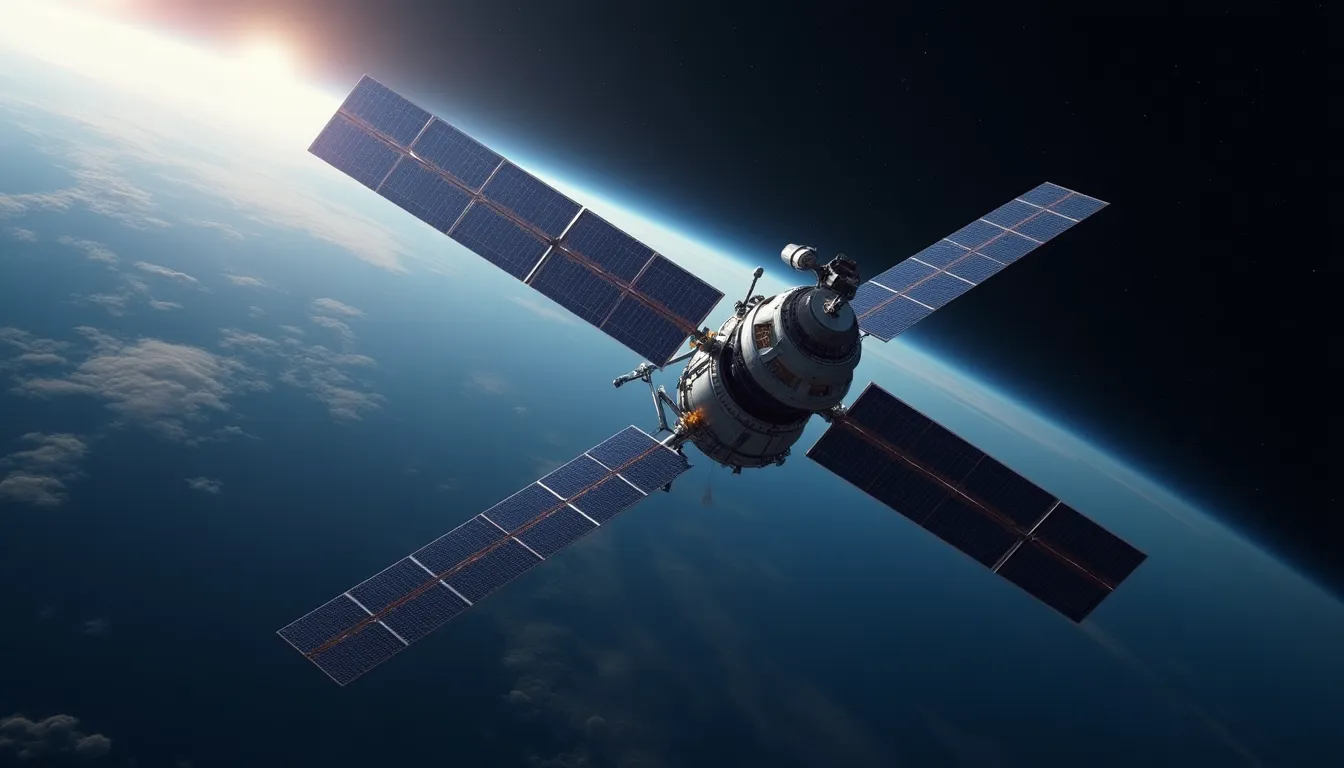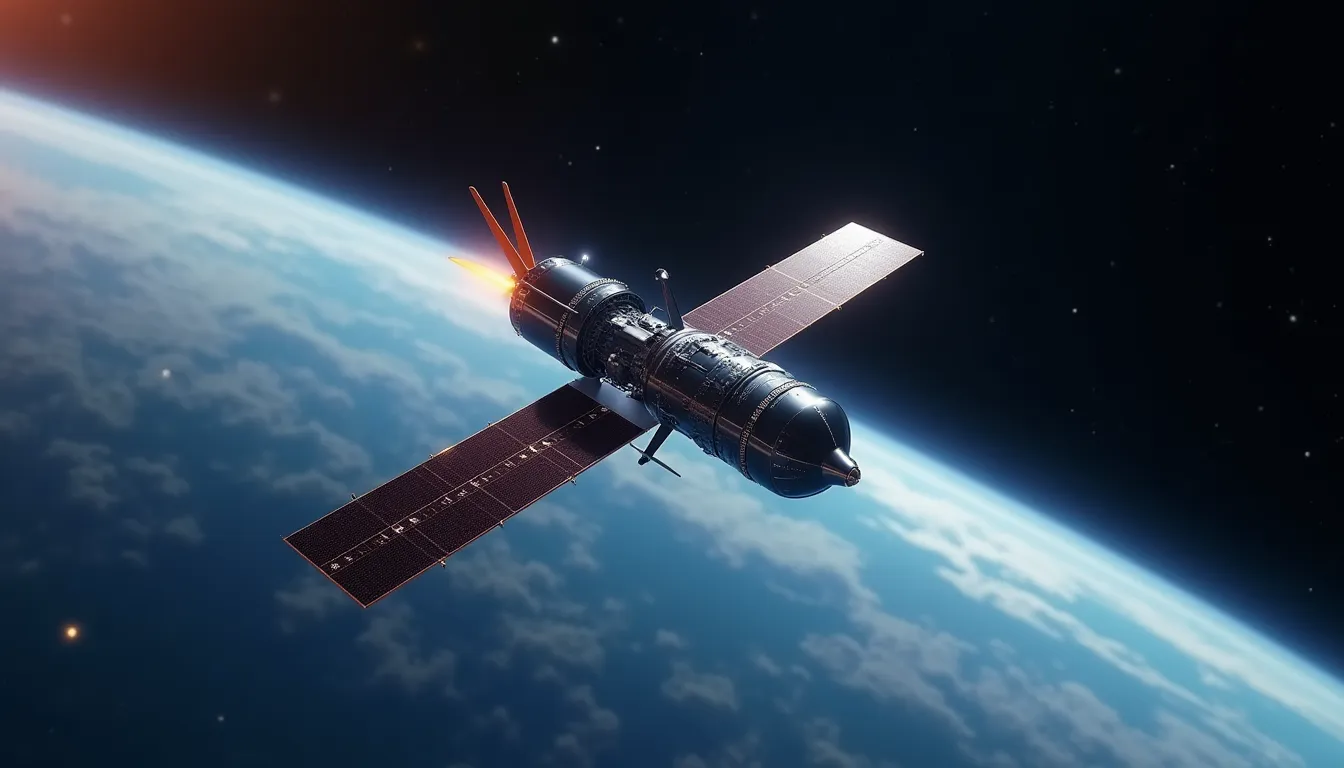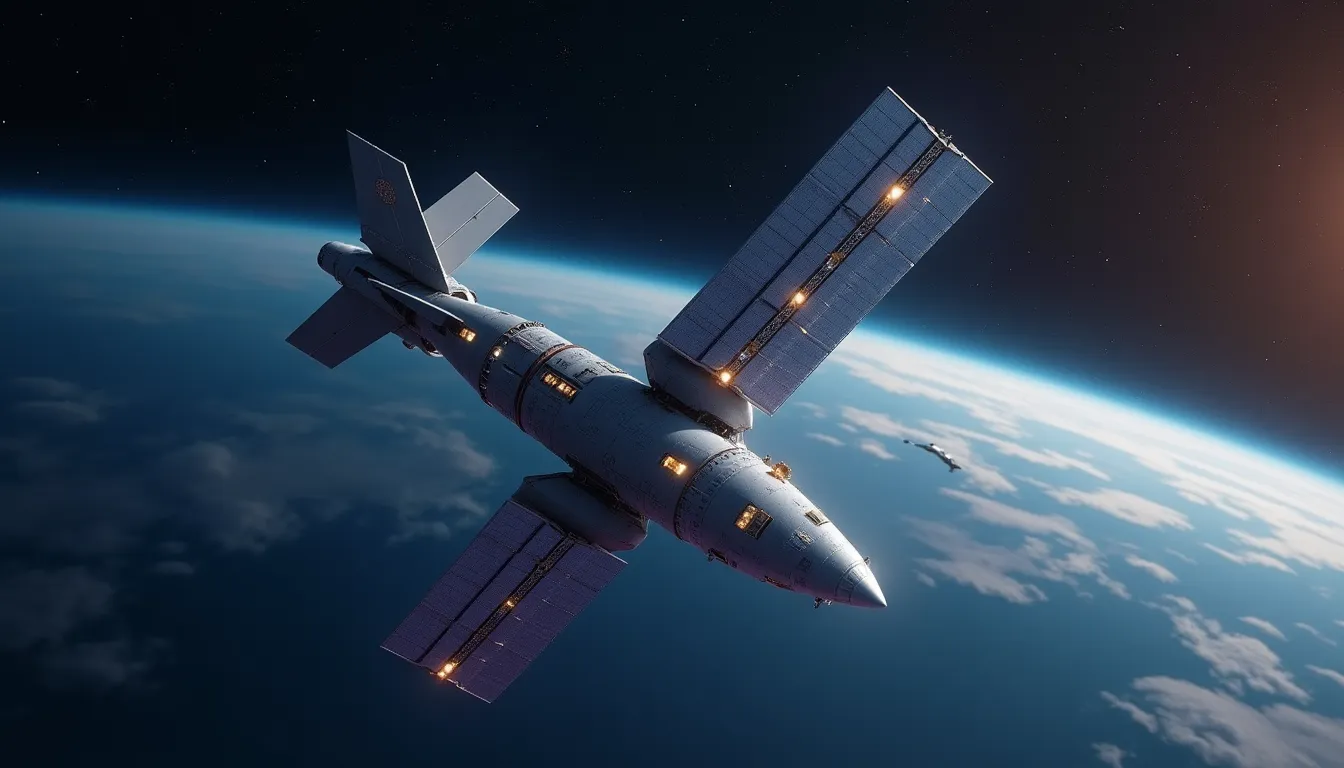
As the aerospace and defense industries evolve, the role of satellite technology is becoming increasingly critical. Recent trends indicate a significant shift towards miniaturization, enhanced operational capabilities, and the integration of advanced technologies such as artificial intelligence (AI). This article delves into the latest developments in satellite technology and their implications for the future of aerospace and defense.
Advancements in Satellite Technology
The Role of AI and Automation
Deloitte’s 2026 Aerospace and Defense Industry Outlook outlines a transformative journey for satellite operations, propelled by the integration of agentic AI. This technology is set to scale across various domains, including mission planning, logistics, and maintenance. The implications for satellite systems are profound, enabling:
- Autonomous mission planning
- Enhanced conjunction assessment
- Predictive maintenance for spacecraft and ground systems
- Faster imagery exploitation and geospatial intelligence analysis
These advancements not only streamline operations but also enhance decision-making capabilities, allowing for more responsive and effective satellite missions.
Miniaturization and LEO Deployments
The trend towards small satellites and Low Earth Orbit (LEO) constellations is gaining momentum. According to Epicflow’s analysis, miniaturized satellites are increasingly replacing their larger counterparts in applications such as Earth observation, remote sensing, and satellite Internet of Things (IoT). This shift brings several advantages:
- Lower launch costs and unit expenses
- Accelerated replenishment cycles
- Increased resilience through distributed constellations
- Higher revisit rates for imaging tasks
Such innovations not only make space more accessible but also enhance the capabilities of satellite networks, ensuring robust and continuous data availability.
Defense Demand and Resilient Space Architecture
The Space Development Agency (SDA) emphasizes the importance of satellites in supporting joint warfighter missions. Their focus on proliferated LEO architectures and resilient communication systems underlines the strategic role of satellite technology in modern defense operations. Key objectives include:
- Facilitating effective sensor-to-shooter connectivity
- Ensuring rapid delivery of space-based capabilities to ground forces
- Supporting multi-domain operations that integrate air, land, sea, and space assets
As defense agencies increasingly view satellites as operational enablers rather than mere strategic support tools, the demand for innovative satellite solutions continues to rise.
The Importance of Propulsion and Maneuverability
In an increasingly congested space environment, satellite propulsion technology has emerged as a strategic priority. Moog’s insights highlight the operational needs for:
- Station-keeping
- Orbit adjustments
- Collision avoidance
- End-of-life disposal
The choice of propulsion systems directly influences a satellite’s mission lifetime, orbital class, and payload capacity. Moreover, the emphasis on sustainable propulsion options is shaping the design and manufacturing processes of new satellite models, ensuring that they meet the challenges of a crowded orbital landscape.
Autonomous Ground Systems
The evolution of ground systems is also noteworthy. Advanced ground systems capable of monitoring satellite constellations autonomously are becoming essential. This shift allows for:
- Automation of telemetry and command operations
- AI-assisted anomaly detection
- Scalability in managing large satellite networks
By reducing the operational staffing burden, these advancements enable more efficient management of satellite constellations, ensuring seamless operations and rapid response capabilities.
High-Throughput Connectivity: A Key Requirement
As demand for data continues to surge, Very High Throughput Satellites (VHTS) are emerging as a critical component in both commercial and defense sectors. These satellites can achieve data transfer speeds in the order of hundreds of gigabytes to terabytes per second, supporting:
- Military communications
- Backhaul for remote areas
- Broadband services
- Data-intensive intelligence, surveillance, and reconnaissance (ISR) tasks
The ability to provide high-throughput connectivity is essential for modern defense operations, enabling real-time data sharing and decision-making across various platforms.
Conclusion
The rapid advancements in satellite technology underscore a pivotal shift in the aerospace and defense landscape. With the integration of AI, the rise of small satellites, and the focus on resilient architectures, the future of satellite operations looks promising. As these technologies continue to evolve, they will not only enhance operational capabilities but also redefine how military and civilian agencies utilize space assets in a complex, interconnected world. The path forward is clear: innovation in satellite technology will remain at the forefront of aerospace and defense, driving new possibilities for both sectors.
References
-
Space Development Agency – Increasing Warfighters’ Lethality … (www.sda.mil) - 5/19/2026 The Space Development Agency (SDA) will quickly deliver needed space-based capabilities to the joint warfighter to support terrestrial missions.
-
Advancing Defense Capabilities with New Satellite Propulsion … (www.moog.com) - 5/14/2026 As space becomes an increasingly congested domain, satellite propulsion technology becomes more important than ever for national defense.
-
Aerospace & Defense Technology - SAE Media Group (saemediagroup.com) - 3/5/2026 A&DT is the largest-circulation magazine for mil/aero engineers and managers. Through our portfolio of print, digital, online, and custom opportunities.
-
2026 Aerospace and Defense Industry Outlook | Deloitte Insights (www.deloitte.com) - 11/13/2025 The aerospace and defense sector is entering a new phase of expansion, driven by advancements in AI, digital sustainment, and increasing …
-
Satellite Tech Solution Providers List 2025 - Aero Defense Outlook (aerodefenseoutlook.com) - 3/12/2025 With the rise of Low Earth Orbit (LEO) satellites, organizations are achieving greater coverage, resilience, and affordability in global communications.
-
Space Technology Trends 2025 | Lockheed Martin (www.lockheedmartin.com) - 12/3/2024 Here are the top 10 space technology trends shaping the future of satellite communications, remote sensing and space exploration.
-
The New Frontier of Satellite Technology | Dassault Systèmes (www.3ds.com) - 4/3/2024 To successfully launch satellites into orbit, New Space companies must speed up innovation in satellite technology. How can they deliver right the first …
-
New Technology Trends in Aerospace and Defense Industry [2026] (www.epicflow.com) - 4/6/2022 Key aerospace and defense innovations will include the application of artificial intelligence and agentic AI, immersive technologies, additive manufacturing, …
-
The New Frontier of Satellite Technology - Dassault Systèmes (www.youtube.com) - 9/8/2020 In the race to successfully launch satellites into orbit, New Space companies must speed up innovation in satellite technology.
-
Top Space Tech Companies (space-tech.aerospacedefensereview.com) ExoAnalytic Solutions is a leader in space domain awareness, defense technology, and military operations research. With a mission to protect and enhance global …