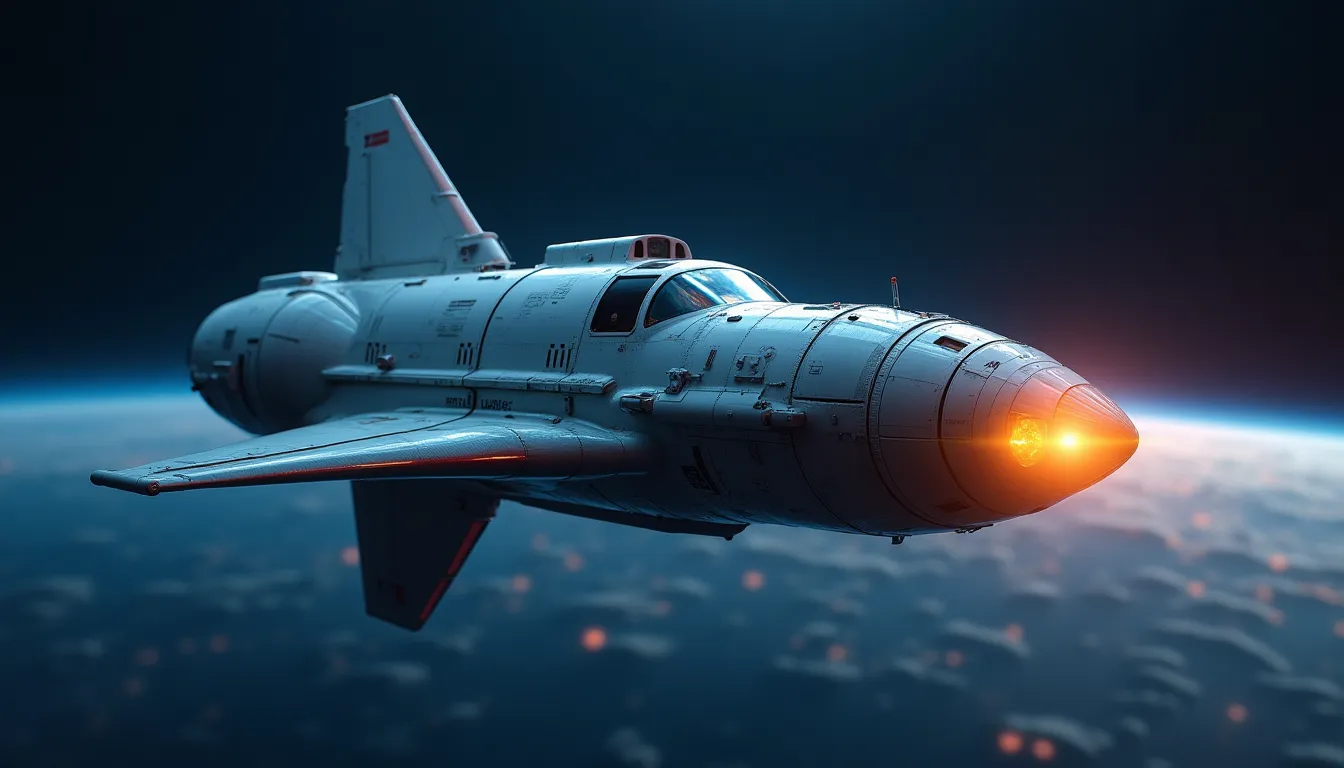
In the rapidly evolving landscape of aerospace and defense, recent developments reflect a significant shift towards autonomy, artificial intelligence (AI), and accelerated procurement processes. As nations worldwide face increasingly complex security challenges, the defense sector is prioritizing innovative technologies that promise to enhance operational capabilities and streamline military readiness. This article delves into the latest trends and advancements that are shaping the future of defense.
A Shift Towards Autonomous Systems and AI-Enabled Capabilities
The aerospace and defense industry is experiencing a transformation characterized by the integration of autonomous systems and AI-enabled capabilities. According to a recent report by Deloitte, the industry is entering a new expansion phase driven by these advancements, as defense priorities increasingly focus on collaborative combat aircraft and AI-enhanced systems. This shift is not merely a trend; it represents a fundamental change in how military operations are conceived and executed.
As noted by PwC, the reshaping of the industry is also influenced by digital transformation and evolving supply-chain dynamics. The emphasis on capacity, resilience, and faster execution has never been more critical. Companies that invest in digital tools and modernize their operations are likely to be the leaders in this new era of defense.
Airpower Modernization: Continuing Investments
Recent developments in airpower modernization highlight the ongoing commitment to enhancing existing capabilities. The U.S. Air Force has approved low-rate initial production for Boeing’s T-7A Red Hawk, a next-generation trainer designed to replace aging fleets. Scheduled for Initial Operational Capability (IOC) in 2027, the T-7A represents a significant investment in advanced training systems that will prepare pilots for future aircraft operations.
Similarly, the U.S. Navy is reviving its interest in the P-8A Poseidon, which underscores a renewed focus on maritime patrol and anti-submarine warfare capabilities. After a temporary pause in procurement, this decision reflects the critical need for enhanced situational awareness in increasingly contested maritime environments.
Advancements in Autonomous Combat Systems
The development and testing of unmanned combat aircraft and loitering munitions are progressing rapidly. Notably, the U.S. Air Force’s Air Combat Command has successfully tested Anduril’s YFQ-44A Collaborative Combat Aircraft (CCA) prototype, marking a significant step in the military’s pursuit of collaborative combat systems that integrate manned and unmanned platforms. On the horizon, Northrop Grumman’s XRQ-73 SHEPARD hybrid-electric experimental drone exemplifies the industry’s focus on efficiency and stealth in unmanned systems, promising enhanced operational capabilities with lower environmental impact.
In a bold move, the U.S. Army is set to acquire thousands of Barracuda-500M cruise missiles from Anduril. This deal emphasizes the growing demand for cost-effective mass fire systems that leverage software for improved strike capabilities, thereby transforming the landscape of modern warfare.
The Rise of Missile Defense and Containerized Weapons
In response to emerging threats, the Pentagon is prioritizing the acquisition of distributed and containerized missile systems. Recent agreements with companies like Anduril and Leidos for over 10,000 containerized missiles signal a strategic shift towards rapidly deployable defense solutions. This approach enables military forces to maintain a flexible and responsive posture in dynamic conflict zones.
Moreover, Rocket Lab’s entry into the Golden Dome missile defense program alongside Raytheon highlights a broader interest in layered missile defense systems. The collaboration between agile suppliers and established defense contractors is essential for developing resilient defense systems capable of addressing contemporary threats.
Expanding Space Defense Infrastructure
The intersection of defense and space is becoming increasingly pronounced, with initiatives aimed at enhancing the resilience of space-based assets. The U.S. Air Force is exploring innovative solutions such as converting offshore oil rigs into rocket recovery platforms for the U.S. Space Force. This initiative reflects a commitment to developing distributed, sea-based infrastructure capable of supporting both military and commercial space operations.
In a related development, SpaceX has successfully launched a new wave of National Reconnaissance Office (NRO) reconnaissance satellites, demonstrating continued demand for advanced intelligence, surveillance, and reconnaissance capabilities. The integration of space systems into defense logistics is essential for maintaining a competitive edge in modern warfare.
Addressing Industrial Base Resilience
As the defense sector embraces advanced technologies, the resilience of the industrial base remains a critical concern. Persistent supply chain bottlenecks and workforce shortages pose significant challenges to meeting the rising demand for defense capabilities. According to industry experts, the winners in this evolving landscape will be those firms that invest in capacity, digitize production processes, and execute projects with agility and efficiency.
Deloitte emphasizes the importance of digital sustainment, agentic AI, and autonomous systems as key growth catalysts. Companies that align their strategies with these trends will be well-positioned to thrive in the competitive defense market.
Conclusion
The aerospace and defense landscape is undergoing a profound transformation, driven by the integration of AI, autonomous systems, and a renewed focus on modernization. As nations adapt to emerging threats and changing operational requirements, the emphasis on advanced technologies will shape the future of defense.
With ongoing investments in airpower modernization, autonomous combat systems, and missile defense infrastructure, the industry is poised for significant advancements in capability and resilience. The future of defense will be defined by the successful integration of innovative technologies that enhance military effectiveness and ensure readiness in a complex global environment.
References
-
Industry News Archives - AIAA - Shaping the future of aerospace (aiaa.org) - 5/18/2026 Breaking Defense reports, “The Navy is seeking to purchase P-8A Poseidon aircraft once again, after pausing procurement in fiscal 2025…
-
Defense News, Covering the politics, business and technology of … (www.defensenews.com) - 5/18/2026 Ukraine declares its first homegrown guided aerial bomb combat-ready · US Air Force looks to convert offshore oil rigs into rocket recovery platforms.
-
Aerospace & Defense News | ASDNews | ASDNews (www.asdnews.com) - 5/13/2026 ASDNews.com shares the latest press releases from companies and institutions across the global Aerospace & Defence sector. Founded in 2004 and part of ASD …
-
Aerospace and defense industry trends - PwC (www.pwc.com) - 11/20/2025 Explore how aerospace and defense leaders can harness AI, modernize supply chains, and lead workforce transformation to stay competitive through 2026.
-
2026 Aerospace and Defense Industry Outlook | Deloitte Insights (www.deloitte.com) - 11/13/2025 The aerospace and defense sector is entering a new phase of expansion, driven by advancements in AI, digital sustainment, and increasing …
-
Breaking Defense - Defense technology, policy and national security … (breakingdefense.com) From emerging data networks to missile tracking and cyber resilience, Breaking Defense’s latest eBook brings together essential reporting on the evolving role …
-
Aerospace & Defence Sector Supply Chain - GTMA (www.gtma.co.uk) - 1/19/2024 Discover the latest aerospace-related news with GTMA. Each month we keep you abreast with the latest happenings in the defence and aerospace sectors.
-
What’s Next for Aerospace and Defense: A Vision for 2050 (www.aia-aerospace.org) - 1/3/2023 For over 100 years, the American aerospace and defense (A&D) industry has shaped the world around us in countless ways with immeasurable impact.