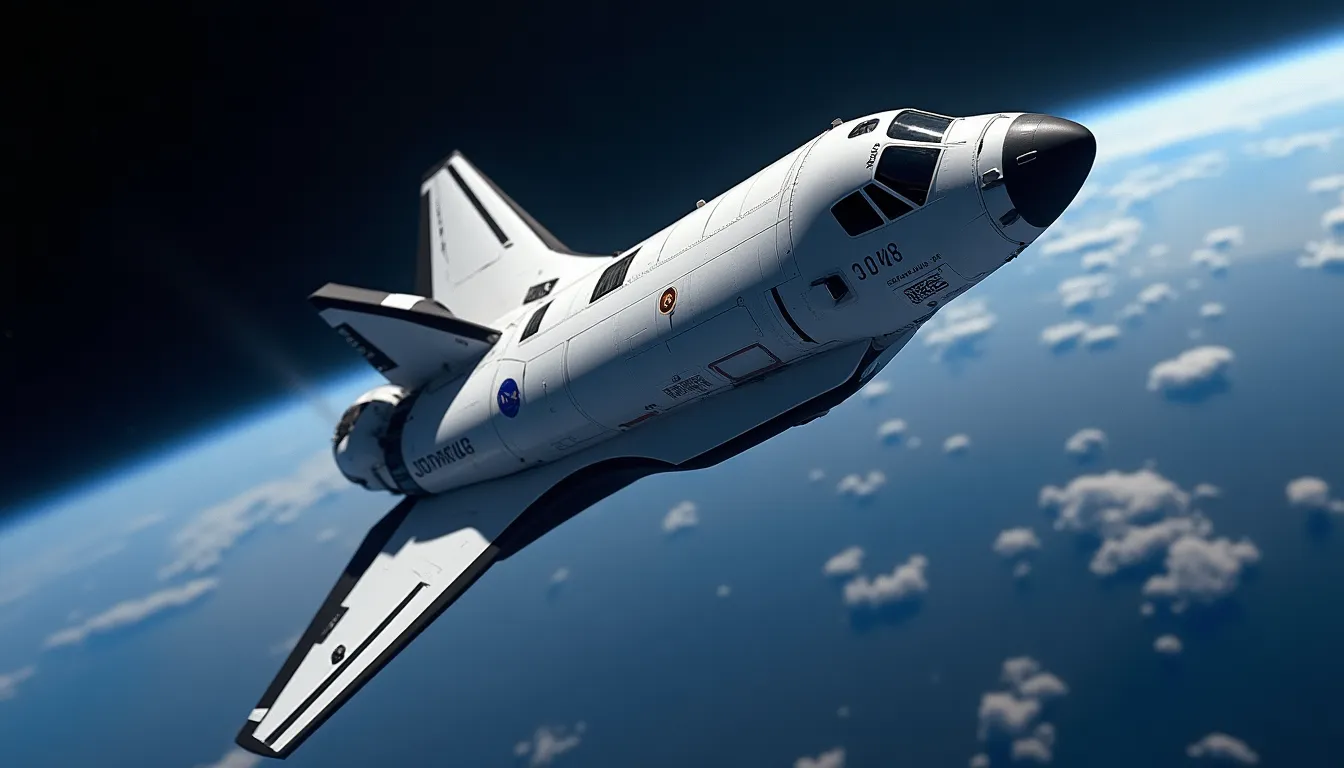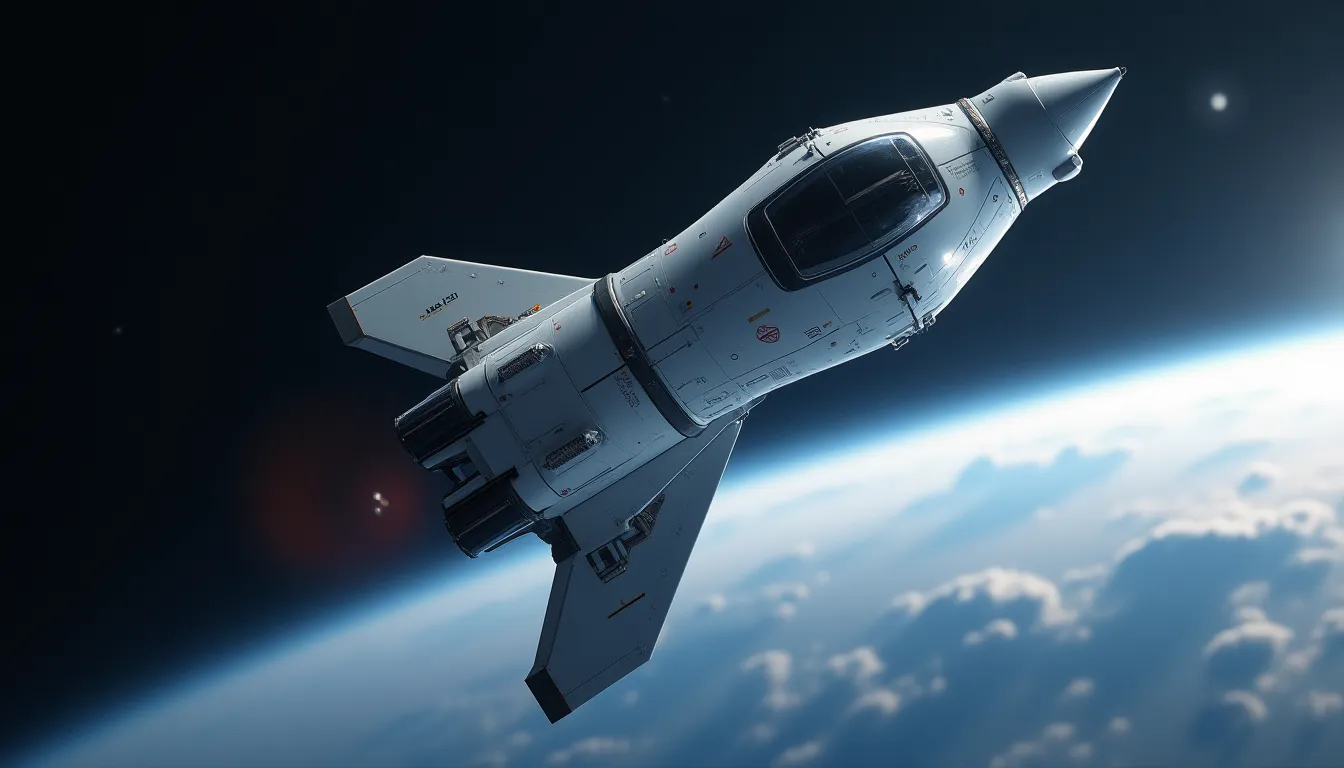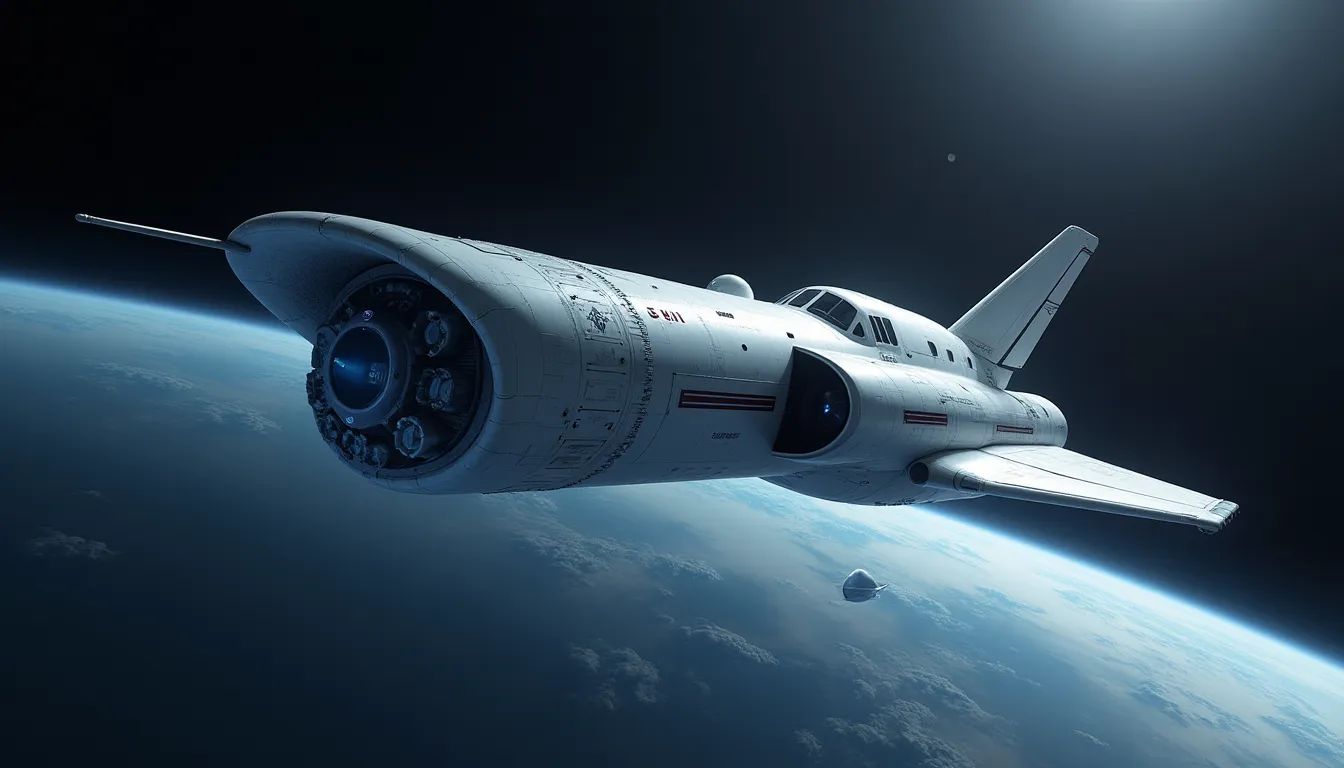
In an era where space exploration is at the forefront of technological innovation, NASA, in collaboration with leading industry partners, is making significant strides in high-performance computing for spacecraft. This advancement aims to enhance spacecraft capabilities, ensuring they can operate effectively in the challenging environments of outer space.
The Need for High-Performance Computing in Spacecraft
Spacecraft face unprecedented challenges, from extreme temperatures to cosmic radiation, which necessitate robust computing systems capable of processing vast amounts of data in real-time. High-performance computing (HPC) is crucial for spacecraft as it enhances navigation, communication, and operational efficiency during missions. As space missions become more complex, the demand for advanced computational capabilities grows, making the integration of sophisticated technologies imperative.
Recent Developments in Spaceflight Computing
NASA’s recent initiatives focus on developing cutting-edge computing architectures tailored for the rigorous demands of spaceflight. Among these developments is the use of high-precision advanced navigation systems that leverage fiber optic sensing technology. Such high-precision navigation systems provide exceptional stability and accuracy, which are vital for the successful navigation of spacecraft.
Dr. Emily Carter, a leading researcher at NASA’s Jet Propulsion Laboratory, remarked, “The integration of high-performance computing with advanced navigation technologies is transforming how we approach space missions. It allows for real-time adjustments and improved decision-making capabilities aboard spacecraft, which is essential for long-duration missions.”
The Role of Advanced Technologies
The collaboration between NASA and industry players has led to the development of several innovative technologies that enhance spacecraft performance. One critical component is the deployment of MEMS accelerometers, which offer superior stability and precision for navigation applications. These MEMS accelerometers are essential for maintaining the spacecraft’s orientation and trajectory, especially during critical phases such as launch and re-entry.
Benefits of Advanced Navigation Systems
Advanced navigation systems like the high-performance MEMS accelerometers provide several benefits:
- Improved Accuracy: Enhanced precision in motion sensing allows for better trajectory calculations.
- Real-time Data Processing: High-performance computing enables instantaneous analysis of navigational data, which is crucial for autonomous operations.
- Robust Performance: The resilience of these systems under harsh environmental conditions ensures continuous operation throughout missions.
The Future of Spacecraft Computing
Looking ahead, the integration of AI-driven algorithms with high-performance computing is set to revolutionize spacecraft operations. Machine learning models can analyze vast datasets to predict spacecraft behavior in various conditions, optimizing mission strategies.
Dr. Michael Thompson, an aerospace engineer at a leading technology firm, stated, “The future of spacecraft computing lies in the synergy between advanced algorithms and high-performance hardware. This combination will enable spacecraft to adapt to unforeseen challenges autonomously, significantly enhancing mission success rates.”
Potential Impacts on Space Exploration
The advancements in spacecraft computing technologies are expected to have a profound impact on future space exploration missions. Enhanced computational capabilities will facilitate:
- Longer Missions: With improved reliability and navigation, missions to distant planets and deep space will become more feasible.
- Increased Data Collection: High-performance computing will allow for real-time analysis of scientific data, leading to faster discoveries.
- Autonomous Operations: Future spacecraft may operate with minimal human intervention, reducing the risk associated with deep-space missions.
Conclusion
As NASA and industry leaders continue to push the boundaries of high-performance computing for spacecraft, the potential for groundbreaking advancements in space exploration grows. The integration of innovative technologies such as high-precision navigation systems and MEMS accelerometers is paving the way for more reliable, efficient, and autonomous spacecraft operations. With each technological leap, humanity’s journey into the cosmos becomes more achievable, promising exciting discoveries and deeper understanding of our universe.
In summary, the collaboration between NASA and the aerospace industry signifies a pivotal shift in how spacecraft are designed and operated. As we look forward to the future of space exploration, the role of high-performance computing will be central to overcoming the challenges that lie ahead.
References
-
spacecraft Research - defensenews.com (defensenews.com)
-
spacecraft Research - aviationweek.com (aviationweek.com)
-
spacecraft Research - spacenews.com (spacenews.com)