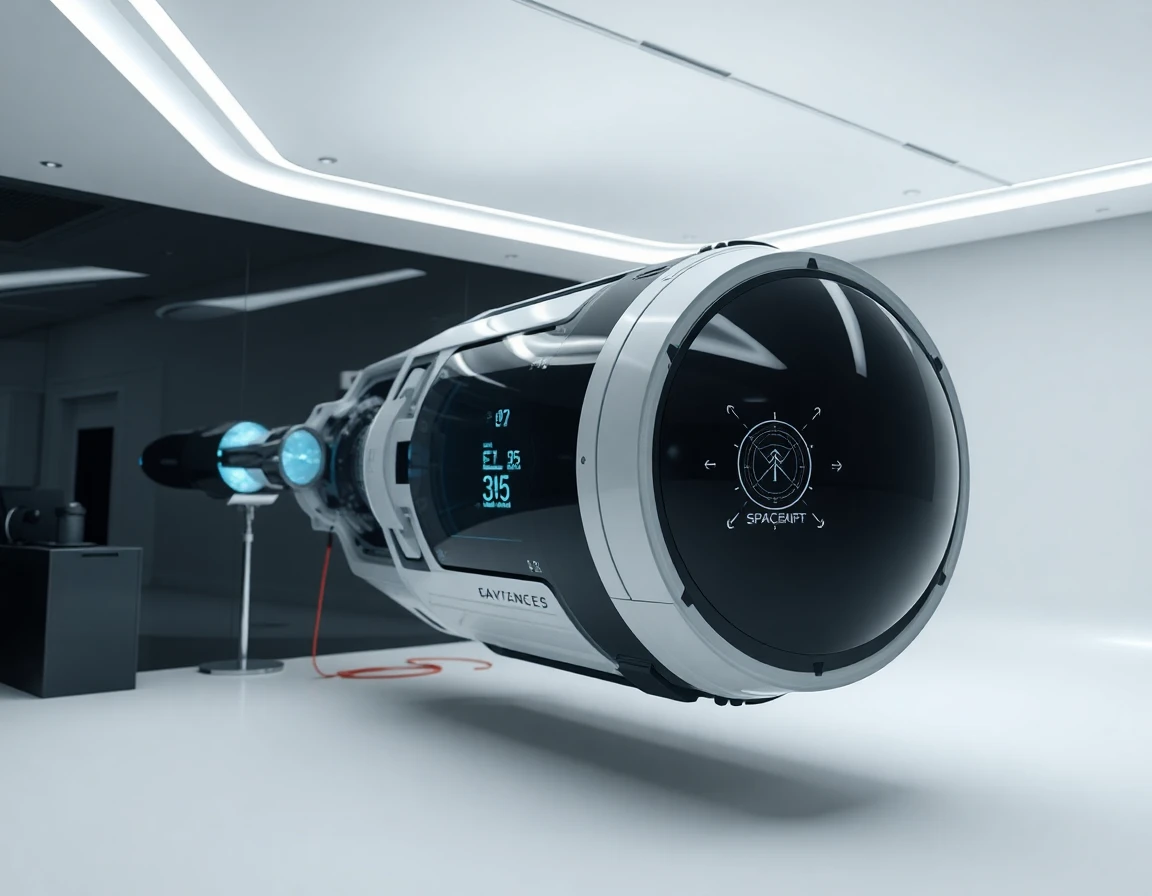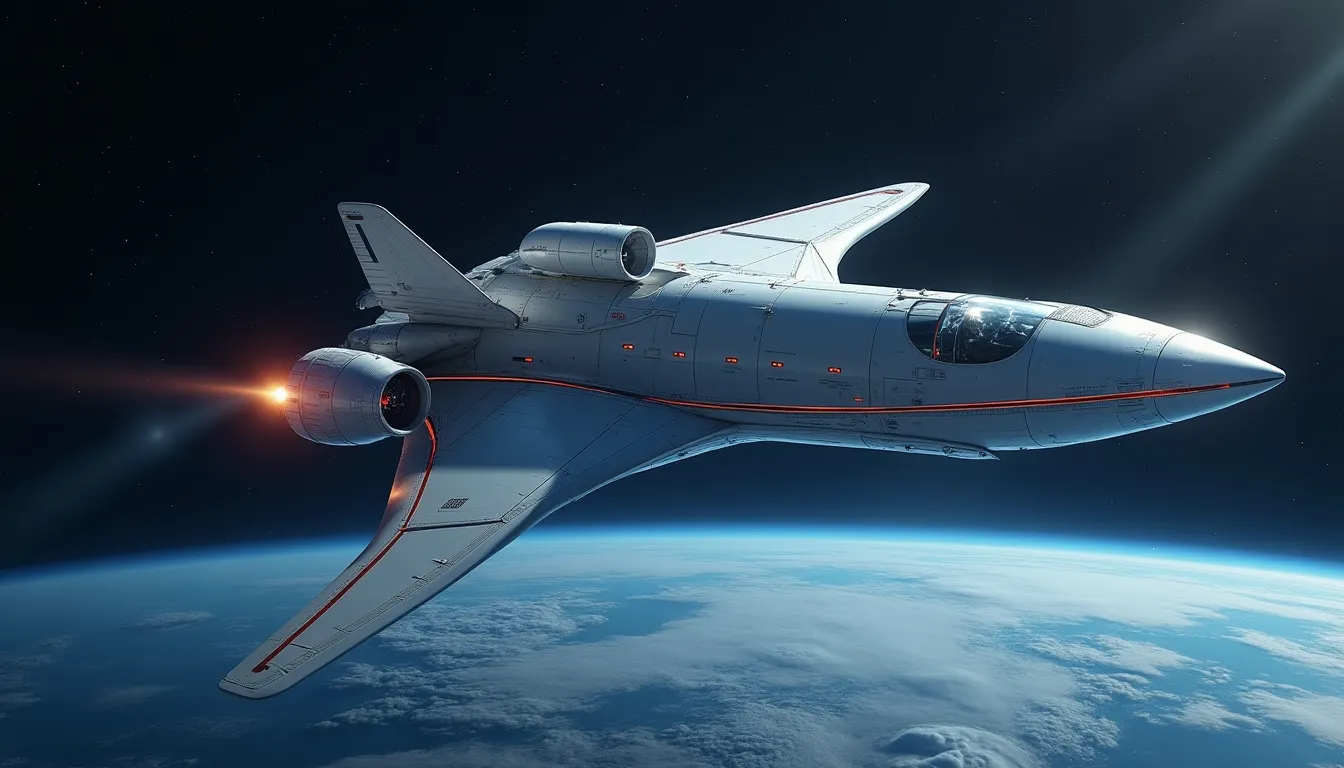
The aerospace and defense sectors have witnessed remarkable advancements in spacecraft technology in recent months. From NASA’s Orion spacecraft’s successful heat shield reentry test to Lockheed Martin’s cutting-edge missile warning systems, these developments not only highlight the ingenuity of modern engineering but also pave the way for future missions beyond Earth. This article delves into the latest innovations, their implications, and what they mean for the future of space exploration and defense.
NASA’s Orion Heat Shield: A Milestone for Lunar Missions
On April 9, 2026, NASA announced a significant milestone for its Orion spacecraft: a successful heat shield reentry test. This test is crucial for the thermal protection system designed to safeguard astronauts during their return from deep-space missions, particularly those targeting the Moon.
The heat shield performed as expected under extreme temperatures, which is vital for ensuring crew safety on future lunar missions. The success of this test enhances confidence in Orion’s reentry architecture, which is essential for the Artemis program’s goal of establishing a sustainable human presence on the Moon.
Lockheed Martin’s Next Gen GEO OPIR Missiles: Enhancing Defense Capabilities
Lockheed Martin is at the forefront of developing advanced missile warning technologies with its Next Gen GEO Overhead Persistent Infrared (OPIR) satellites. Built on the resilient LM 2100 combat bus, these spacecraft are designed to detect and track advanced missile threats, including hypersonic weapons, from geosynchronous orbit.
Key Features of Next Gen GEO OPIR:
- Cyber Hardening: Enhanced security measures to protect against cyber threats.
- Improved Propulsion Systems: Allow for greater maneuverability and operational longevity.
- Higher Power Output: Enables more sophisticated sensors and data processing capabilities.
- Multi-Domain Data Fusion: Facilitates rapid sensor data analysis across different operational domains.
This sophisticated spacecraft program not only strengthens the U.S. military’s missile defense capabilities but also sets a benchmark for future defense technology innovations.
Space Development Agency’s Tracking Layer: A New Era in Missile Defense
The Space Development Agency (SDA) is rapidly expanding its Tracking Layer constellation, with the recent announcement of Tranche 3 awards totaling approximately $3.5 billion for 72 additional satellites. This multi-orbit architecture provides persistent missile warning and tracking capabilities from Low Earth Orbit (LEO).
Why the Tracking Layer Matters:
- Proliferated Architecture: Reduces reliance on a small number of large satellites, enhancing resilience and survivability.
- Persistent Coverage: Ensures continuous monitoring of missile threats, improving reaction times and strategic advantages.
The Tracking Layer exemplifies a shift toward integrated defense systems that leverage multiple satellite constellations for comprehensive situational awareness.
CAPSTONE and Cislunar Navigation: Paving the Way for Lunar Operations
Advanced Space’s CAPSTONE mission is positioning itself as a crucial pathfinder for future Artemis operations. The spacecraft has demonstrated an efficient transfer to the Moon and validated a peer-to-peer navigation capability through the Cislunar Autonomous Positioning System (CAPS).
Implications for Cislunar Navigation:
- Lunar Logistics: Improved navigation systems are essential for managing operations and resources in cislunar space.
- Infrastructure Development: This mission represents a shift from one-off lunar explorations to establishing a sustainable lunar presence, facilitating future missions and potential colonization efforts.
Emerging Trends in Spacecraft Technology
The recent developments highlight several critical trends in spacecraft technology that are shaping the aerospace and defense landscape:
1. Nuclear Space Power and Propulsion
Lockheed Martin has noted increasing interest in nuclear space power and propulsion systems, which can significantly extend mission durations and reduce dependency on traditional fuel sources. These technologies are poised to revolutionize long-duration space missions, enabling deeper exploration of the solar system.
2. Fission Surface Power for Lunar Operations
The development of compact fission reactors for lunar operations could provide continuous electricity on the Moon, supporting sustained human activities and infrastructure.
3. In-situ Resource Utilization (ISRU)
Innovations in ISRU technologies aim to produce propellant and other consumables from lunar resources, decreasing reliance on Earth-launched supplies and increasing mission sustainability.
4. Advanced Materials for Harsh Environments
The introduction of materials such as bulk metallic glass gears and COLDArm mechanisms are enhancing the reliability of spacecraft components in extreme thermal environments, essential for the success of lunar and deep-space missions.
Conclusion
The advancements in spacecraft technology over the past months underscore a significant leap forward for both exploration and defense applications in aerospace. From the successful reentry of NASA’s Orion spacecraft to the sophisticated missile warning capabilities being developed by Lockheed Martin and the SDA, these innovations are not merely incremental; they represent a fundamental shift in how we approach space missions. As countries and corporations invest in these technologies, we can anticipate a future where sustained human presence on the Moon and beyond becomes a reality. The integration of advanced navigation systems, precision accelerometers, and robust thermal protection mechanisms will be critical in achieving these ambitious goals.
References
-
Innovations in Spacecraft Technology: A New Era for Aerospace and … (orbysa.com) - 5/9/2026 Explore the latest advancements in spacecraft technology, including NASA’s Artemis II mission success and emerging missile defense systems, …
-
Aerospace, Defense and Space Tech - LA Times (www.latimes.com) - 4/24/2026 Stay updated with the latest in aerospace, defense, and space technology in Southern California and beyond.
-
Space Technology Trends Shaping The Future | Lockheed Martin (www.lockheedmartin.com) - 4/8/2026 Built on Lockheed Martin’s more resilient LM 2100 combat bus, Next Gen GEO adds cyber hardening, higher power and improved propulsion to detect …
-
Space Development Agency – Increasing Warfighters’ Lethality … (www.sda.mil) - 4/7/2026 SDA Futures provides new mission concepts that deliver quantifiable warfighter benefits by maturing and transitioning technologies and capabilities into future …
-
15 Next Gen Space Technologies That Are Revolutionizing the … (www.youtube.com) - 10/14/2025 The future of space exploration is here! From Rocket Lab’s Mars Internet and NASA’s Big Metal Balls to nuclear fusion rockets and supersonic …
-
Advanced Space – Delivering Innovation to Orbit™ (advancedspace.com) - 10/1/2025 Advanced Space exists to enable the sustainable exploration, development, and settlement of space. · We are orbiting the Moon! · Capabilities · Experience.
-
Top 10 Emerging Defense Technologies to Watch in 2025 (www.defence-industries.com) - 2/28/2025 1. AI-Powered Warfare Solutions · 2. Autonomous Military Robotics · 3. Cybersecurity Defense Trends · 4. Space-Based Military Tech · 5. Hypersonic Weapon …
-
Technology - NASA (www.nasa.gov) - 1/27/2023 NASA Fires Up Powerful Lithium-Fed Thruster for Trips to Mars. NASA puts next‑generation propulsion to the test—a system powerful enough to carry crews to Mars …