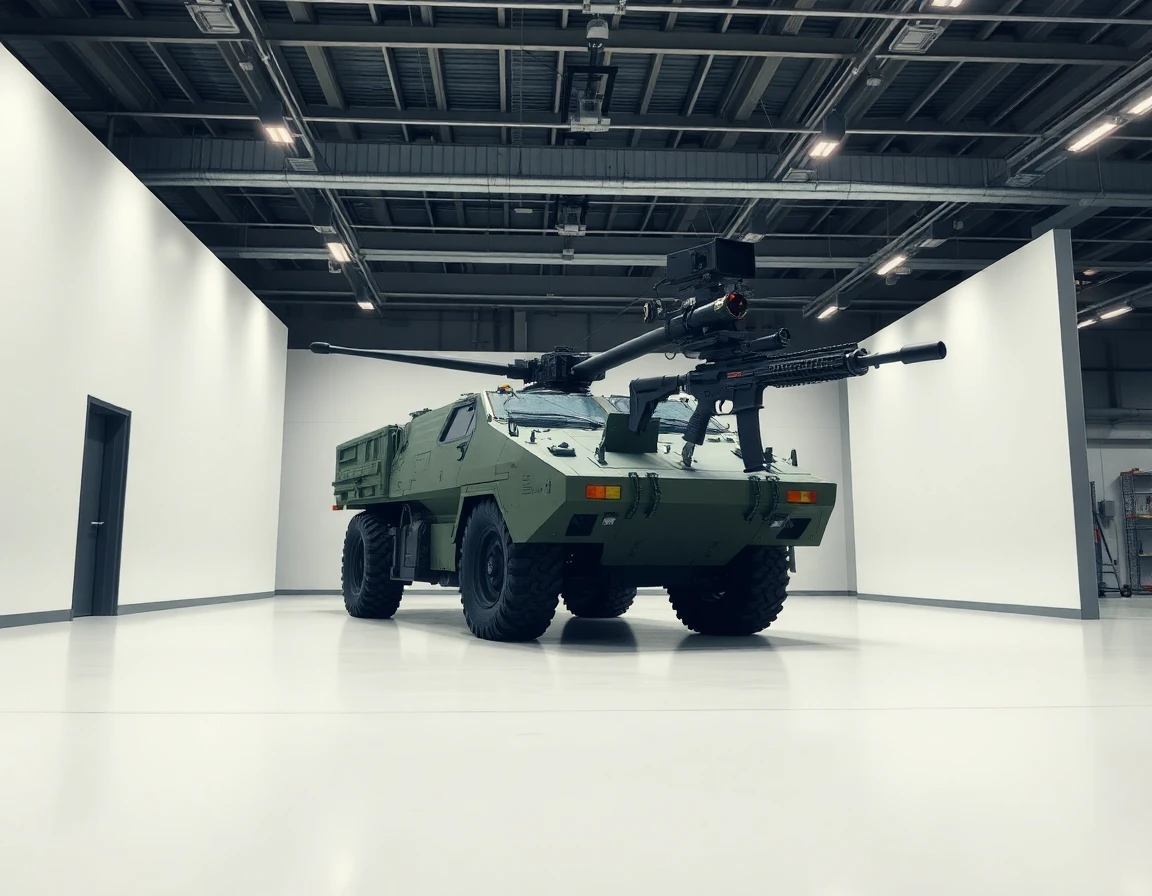
Recent developments in the aerospace, defense, and technology sectors underscore a significant evolution in powering technologies. Innovations in hybrid-electric propulsion, efficient power systems for unmanned aerial vehicles (UAVs), and energy solutions for next-generation systems are reshaping operational capabilities. This article delves into these advancements, highlighting their implications for stealth operations, missile systems, and vehicle defense mechanisms.
Advancements in Hybrid-Electric Propulsion
One of the most notable breakthroughs is the successful flight of the XRQ-73, a hybrid-electric flying wing drone developed by DARPA. This drone represents a leap forward in hybrid-electric propulsion technology, aiming for ultra-quiet, high-efficiency flight. The XRQ-73 features a unique architecture that combines electric motors with efficient fuel sources, facilitating extended endurance for intelligence, surveillance, and reconnaissance (ISR) missions in contested environments.
The hybrid-electric system not only reduces thermal and noise emissions but also supports stealth operations by maintaining a low acoustic signature at high altitudes. As stated by a DARPA spokesperson, “The XRQ-73 is designed to provide unparalleled persistence in operations while minimizing detection risks, a critical factor in modern warfare.”

Compact Missile Systems for Stealth Aircraft
In parallel, the development of a smaller variant of the AIM-9X Sidewinder missile is gaining traction. This compact version is engineered to fit the internal weapons bays of stealth fighters, enabling increased payload capacity while maintaining range and lethality. By optimizing rocket motors and electronics, engineers have advanced the missile’s power-to-weight ratio, making it an ideal enhancement for platforms like the Next Generation Air Dominance (NGAD) collaborative combat aircraft.
The miniaturization of this missile system highlights the importance of optimized power management in modern armaments. As defense analysts note, “The integration of the AIM-9X into stealth platforms is a game-changer, allowing for greater flexibility and operational efficiency.”

Enhancing Defense with Active Protection Systems
The integration of Active Protection Systems (APS) into Amphibious Combat Vehicles (ACVs) marks a significant advancement in battlefield defense technologies. APS are designed to intercept anti-armor missiles and drones, leveraging high-power radars and interceptors powered by advanced vehicle electrical architectures.
These systems require instantaneous burst power for rapid-fire countermeasures, significantly enhancing the survivability of military vehicles against hypersonic threats and UAV swarms. The demand for such technologies has never been greater as military operations increasingly face sophisticated aerial threats. An industry expert commented, “The shift towards APS indicates a proactive approach to defense, where vehicles are equipped not just to absorb damage but to actively neutralize threats.”
Broader Trends in Power-Intensive Autonomous Systems
The Pentagon’s strategic initiatives are driving the development of smarter, self-organizing drones. With a projected growth of the autonomous warfare budget, the emphasis on power-efficient artificial intelligence (AI) and uncrewed systems is paramount. DARPA’s projects are focusing on power-optimized autonomy to address manpower shortages and enhance operational efficiency.
Additionally, the burgeoning space economy, projected to reach $613 billion by 2024, necessitates innovations in powering reusable rockets and satellite constellations. The integration of advanced power management systems is crucial for logistics, cybersecurity, and predictive maintenance in these high-demand sectors. The incorporation of precision accelerometers and advanced sensor modules will facilitate better navigation and control in both aerial and spaceborne operations.
Future of Powering Technologies
As we look ahead, the advancements in powering technologies promise to redefine capabilities within the aerospace and defense sectors. Hybrid-electric systems, compact missile solutions, and active protection innovations are just the beginning of a broader transformation driven by the need for efficiency, stealth, and resilience in modern military operations.
The future landscape will likely see increased reliance on sophisticated power management systems, such as ZQXXSGDSS and ZQXXSZMSS systems, which enhance the detection and tracking capabilities of optical systems. Furthermore, integrating control systems with high-performance CMOS imaging will ensure that military operations remain at the forefront of technological advancements.
In conclusion, the ongoing evolution of powering technologies will play a pivotal role in shaping the future of aerospace and defense. As these innovations continue to unfold, they will not only enhance operational effectiveness but also pave the way for new strategies in military engagement and defense against emerging threats.
References
-
Aerospace and Defense - NewsNow (www.newsnow.com) Latest news on Aerospace and Defence (A&D), covering military spending, NATO, commercial aviation, space, defence contracts, arms deals, and key trends.
-
Technology and Innovation - Defense News (www.defensenews.com) - 7/21/2025 Air Force clears T-7A Red Hawk for low-rate production · The decision authorizes a $219 million contract for the first 14 aircraft. · Air Warfare.
-
Breaking Defense - Defense technology, policy and national security … (breakingdefense.com) Coast Guard unveils new Special Missions Command amid demand for elite units · Lockheed opposes Northrop bid to remove firewall on solid rocket motor business.
-
Science & Tech - Defense One (www.defenseone.com) - 5/6/2026 Pentagon seeks smarter, self-organizing drones as autonomous-warfare budget is poised to skyrocket ; Russians will surrender to robots. Russian robots won’t.
-
Army Technology | Land Defence News & Views Updated Daily (www.army-technology.com) - 5/6/2026 The aerospace and defense industry continues to be a hotbed of patent innovation. Activity is driven by modernization imperatives.
-
Aerospace, Defense and Space Tech - LA Times (www.latimes.com) - 4/24/2026 Avem Partners Acquires PAMCO to Expand Aerospace Manufacturing Platform · Fortastra Expands Leadership Team to Accelerate Space Systems Development · Smack …
-
News- Aerospace Defence Outlook (aerodefenseoutlook.com) - 10/21/2024 Stay updated with the latest news in aerospace, aviation tech and industry trends. Explore articles on future of aerospace.
-
The War Zone (www.twz.com) - 10/11/2023 The site stands at the nexus of military technology, strategy, and foreign policy. As a full-spectrum defense news and analysis website, TWZ covers the air, sea …