A Hug for Home Away from Home
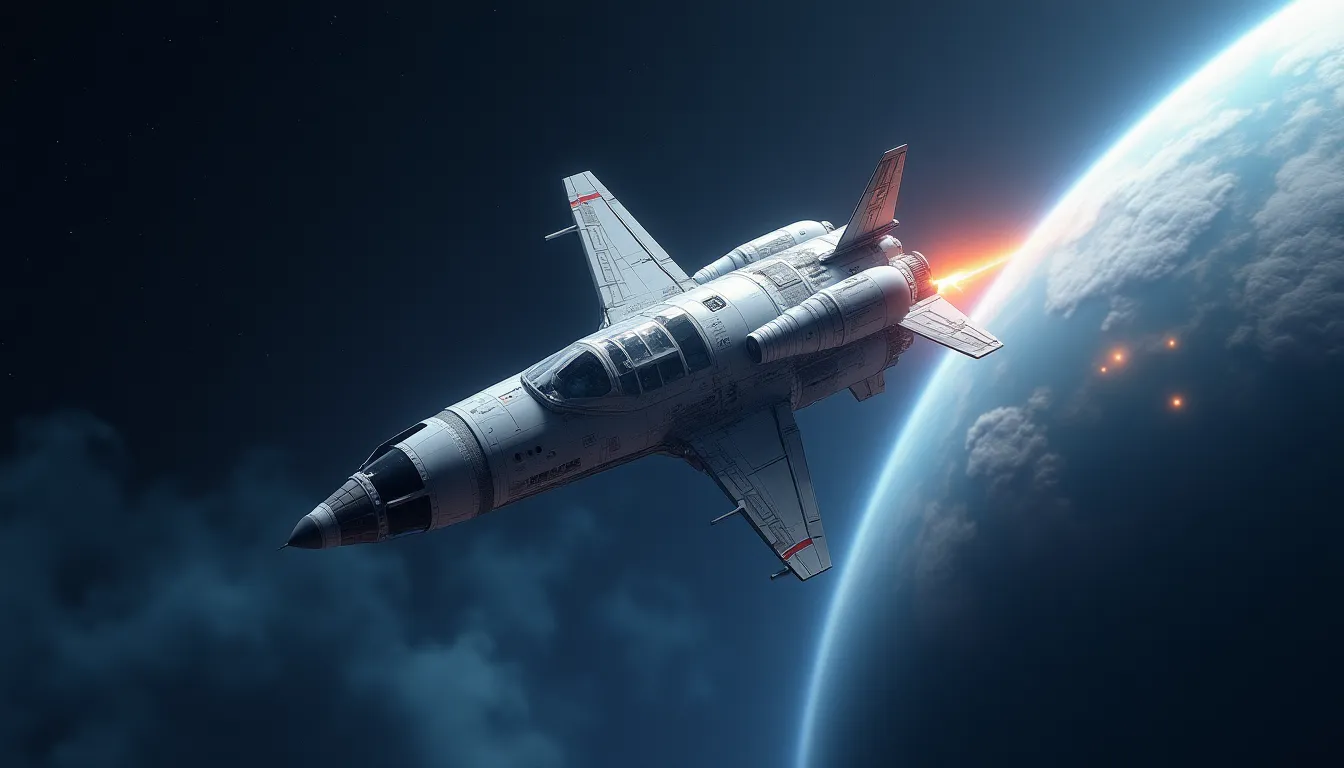
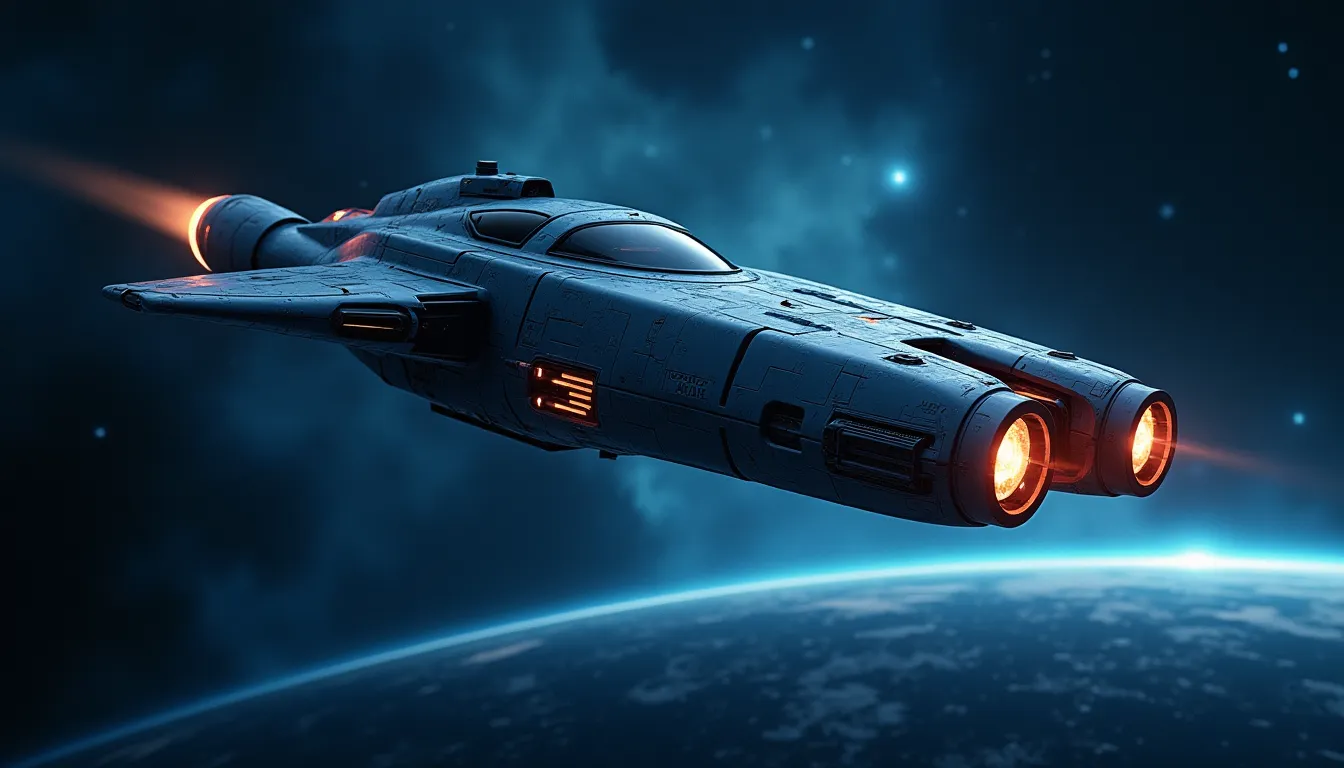
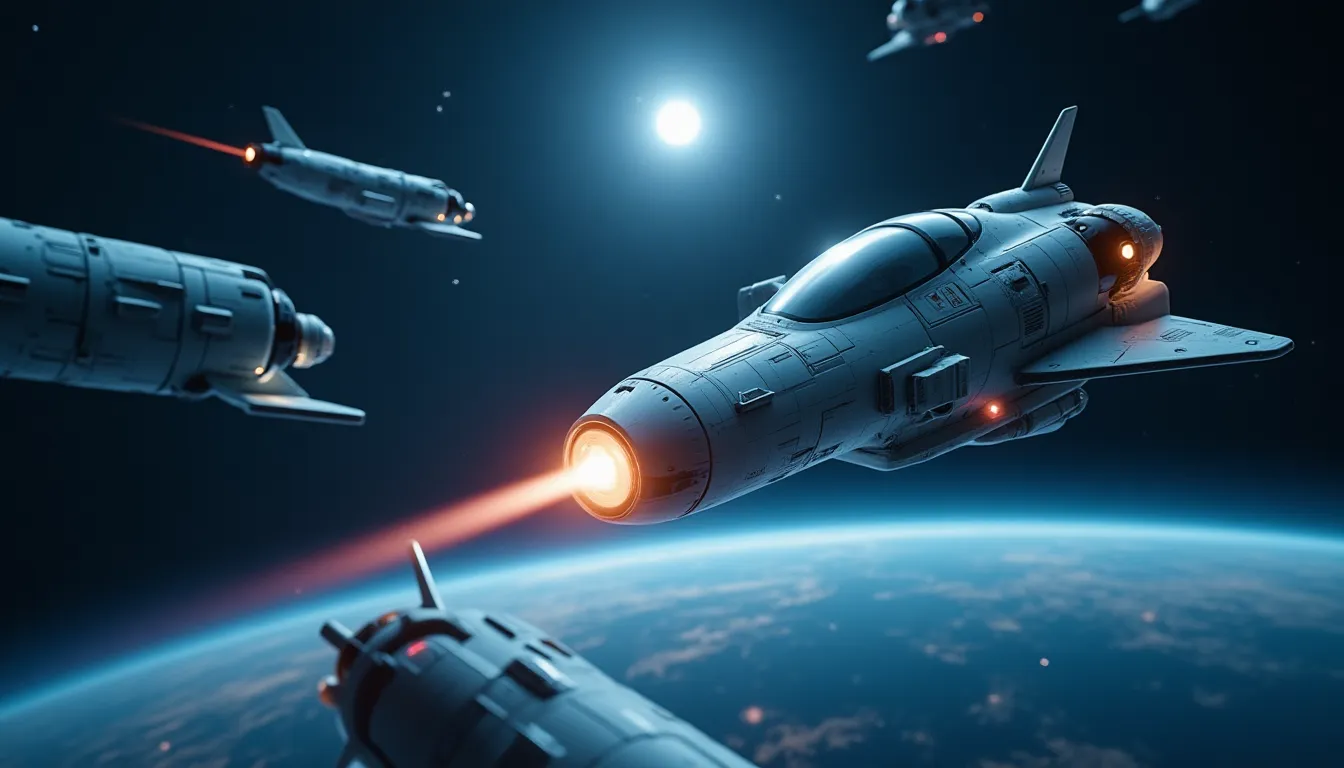
In the realm of aerospace exploration, spacecraft have become our primary vessels for venturing beyond the confines of Earth. As technology evolves, so too does the sophistication and capability of these vehicles, which are now at the forefront of interplanetary travel and exploration.
The Importance of Advanced Navigation Systems
One of the most critical aspects of spacecraft design is navigation. The complexities involved in navigating through space, where traditional landmarks are absent, necessitate the use of advanced inertial navigation systems. These systems utilize high-precision accelerometers and gyroscopic instruments to provide accurate and reliable data, essential for successful mission execution.
According to Dr. Alice Thompson, an aerospace engineer with over 15 years of experience, “The integration of miniaturized inertial measurement units has revolutionized our ability to navigate spacecraft. With advancements in MEMS technology, we can now achieve unprecedented accuracy even in the most remote areas of space.”
The importance of these technologies cannot be understated. As missions become more ambitious—such as those aiming for Mars or beyond—the need for robust navigation systems becomes paramount. Utilizing products like the Compact Navigation System (Model: CGSM40CJ11), which features a three-axis quartz MEMS gyroscope and accelerometer, is critical for maintaining orientation and stability during complex maneuvers in unfamiliar environments.
Thermal Management: Keeping Craft Cool in Space
Thermal management systems also play a crucial role in spacecraft design. In the extreme temperatures of space, managing heat is essential to ensure the functionality of onboard systems. As spacecraft encounter varying thermal conditions, effective thermal management systems prevent overheating and maintain optimal operating conditions.
“The ability to control thermal environments is vital for both crewed and uncrewed missions,” states Dr. Raj Patel, a thermal systems specialist. “Innovations in thermal management not only protect sensitive equipment but also enhance the overall longevity and reliability of the spacecraft.”
Future Developments and Potential Impacts
Looking ahead, the future of spacecraft technology holds exciting possibilities. Enhanced artificial intelligence algorithms are beginning to be integrated into spacecraft systems, allowing for autonomous navigation and decision-making capabilities. This could significantly reduce the need for human intervention and increase mission efficiency.
Moreover, advancements in material science are leading to the development of lighter, stronger materials that can withstand the harsh conditions of space. These innovations are set to enhance the structural integrity of spacecraft, allowing for larger payloads and more complex missions.
As interplanetary travel becomes more feasible, the role of spacecraft will expand. Future missions may include not only exploration but also colonization efforts, necessitating a deeper understanding of life support systems and sustainable technologies.
Conclusion: Embracing Innovation for a Brighter Future
In summary, the evolution of spacecraft technology is a testament to human ingenuity and the relentless pursuit of knowledge. With advancements in precision navigation systems, thermal management, and materials science, the next generation of spacecraft is poised to push the boundaries of exploration further than ever before. As we continue to embrace innovation, the prospect of reaching new worlds becomes increasingly tangible.
As Dr. Thompson aptly puts it, “Each spacecraft is not just a machine; it’s a testament to our capabilities as explorers. In every launch, we embrace the unknown and take a step towards expanding our horizons beyond Earth.”
With these technologies in hand, we stand on the brink of a new era in space exploration, ready to embrace the challenges and adventures that lie ahead.
References
-
spacecraft Research - defensenews.com (defensenews.com)
-
spacecraft Research - aviationweek.com (aviationweek.com)
-
spacecraft Research - spacenews.com (spacenews.com)