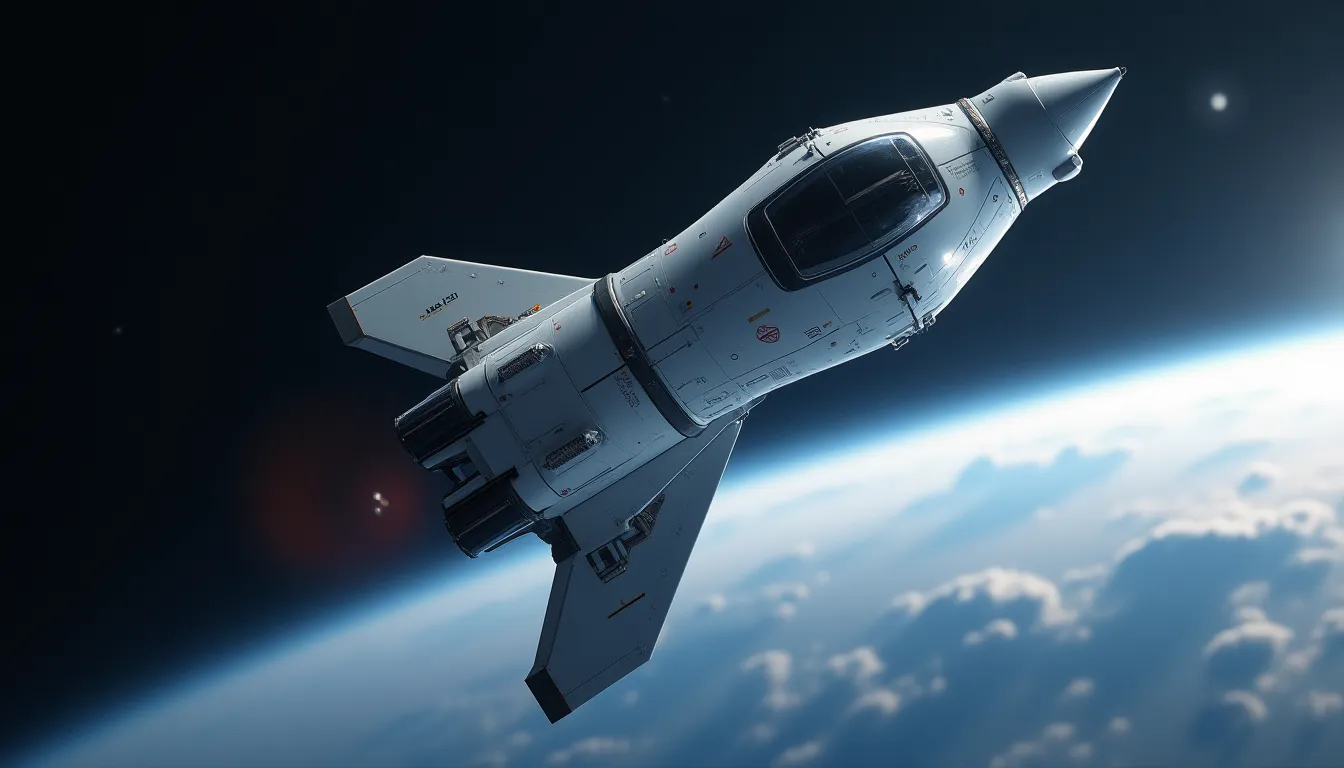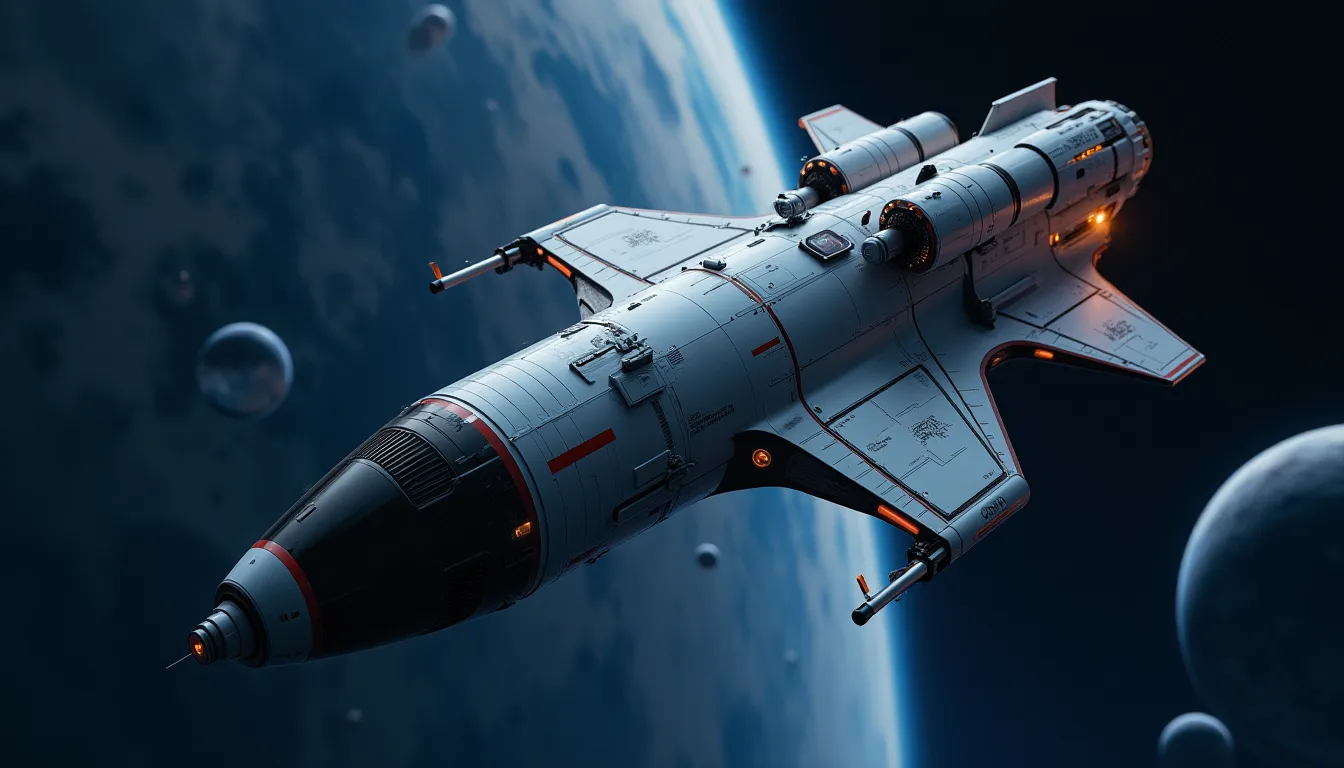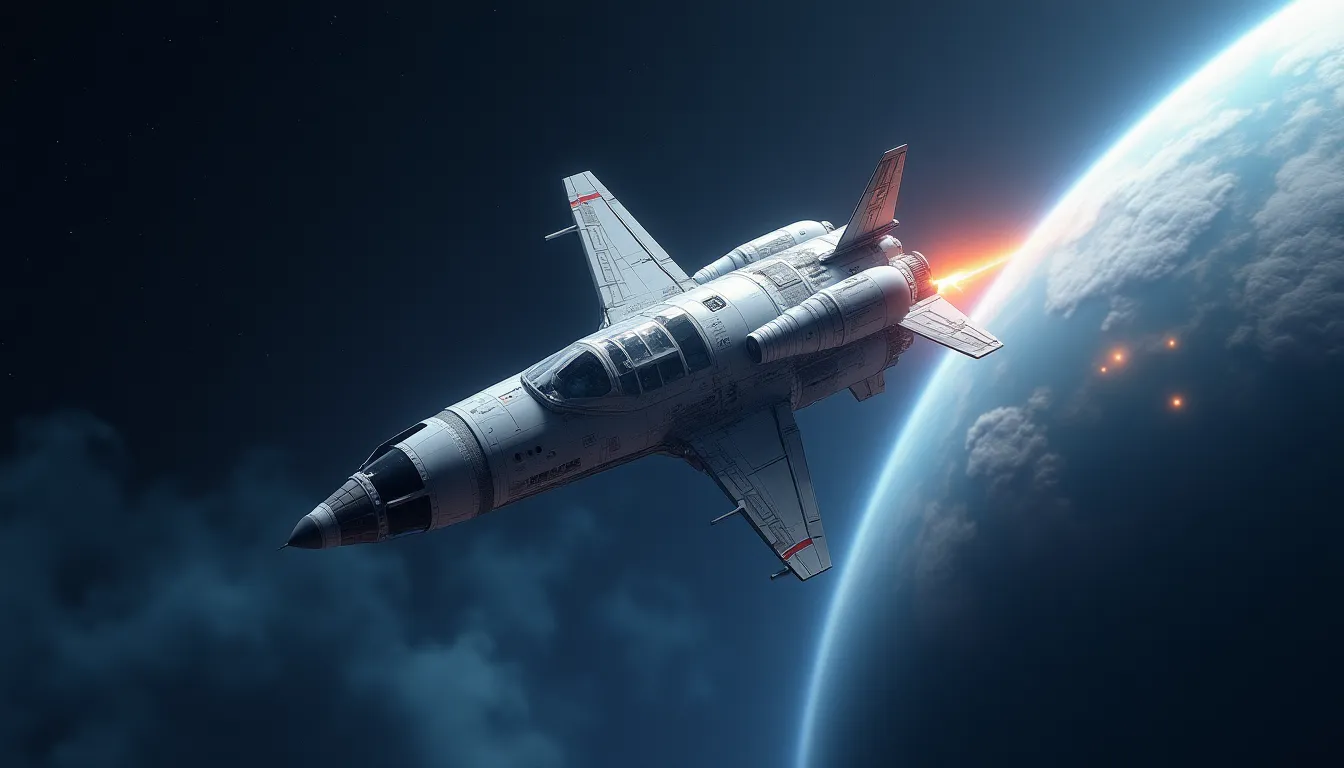
As humanity’s ambitions in space exploration continue to grow, the need for advanced spacecraft technology has never been more critical. From precision navigation to robust thermal management, today’s spacecraft are equipped with cutting-edge systems that enhance their operational capabilities and ensure mission success.
The Role of Navigation Systems in Spacecraft
One of the most crucial aspects of spacecraft design and operation involves navigation. Advanced inertial navigation systems provide precise guidance for spacecraft, allowing them to maneuver accurately through the vastness of space. These systems rely on high-precision accelerometers and gyroscopic instruments to track the spacecraft’s motion and orientation, ensuring they remain on the correct trajectory.
Renowned aerospace engineer Dr. Emily Carter states, “The integration of high-precision sensors is a game-changer in spacecraft navigation. It not only improves accuracy but also enhances the reliability of missions, especially those involving deep space exploration.”
Innovations in Sensing Technologies
Precision sensing technologies play a pivotal role in the successful operation of spacecraft. Advanced ceramic-packaged PIN-FET photodiode modules, such as the GJE46C020 System, are instrumental in providing superior noise performance and high reliability for precision fiber optic sensing applications. These modules are essential for accurate data collection during missions, enabling spacecraft to gather vital environmental information.
The GJE46C020’s robustness is particularly beneficial in harsh space environments, where reliability is paramount. As Dr. Mark Thompson, a specialist in spacecraft instrumentation, explains, “The ability to maintain sensor integrity in extreme conditions is essential for the long-term success of space missions. Technologies like the GJE46C020 ensure that we can trust the data we receive from our spacecraft.”
Thermal Management Systems: Keeping Spacecraft Comfortable
Operating in space presents unique challenges, especially concerning temperature regulation. Effective thermal management systems are vital to ensure spacecraft components function optimally in the extreme temperatures of space.
Recent developments in thermal management technologies allow spacecraft to maintain operational efficiency while protecting sensitive instruments from temperature fluctuations. This includes advancements in passive and active thermal control systems that can adapt to varying thermal conditions in space.
Future Developments in Spacecraft Technology
Looking ahead, the future of spacecraft technology promises even more innovations. With the increasing interest in Mars exploration and potential missions to asteroids, engineers are focusing on developing spacecraft that can endure longer missions while minimizing resource consumption.
Dr. Jane Liu, a lead researcher in spacecraft systems, emphasizes the importance of sustainable technology: “As we plan missions that could last years, it is crucial to develop spacecraft that can efficiently utilize resources and maintain their systems without frequent resupply. This will be fundamental for long-duration missions beyond low Earth orbit.”
Conclusion: The Path Forward
In summary, the advancements in spacecraft technology are setting the stage for a new era of exploration. From enhanced navigation and precision sensing to robust thermal management systems, these innovations are crucial for meeting the challenges of future missions. As the aerospace industry continues to evolve, the integration of sophisticated technologies will pave the way for breakthroughs in how we explore and understand our universe.
As we prepare for upcoming missions, it is clear that the advancements in spacecraft technology will play a central role in humanity’s quest to explore the final frontier.
References
-
spacecraft Research - defensenews.com (defensenews.com)
-
spacecraft Research - aviationweek.com (aviationweek.com)
-
spacecraft Research - spacenews.com (spacenews.com)