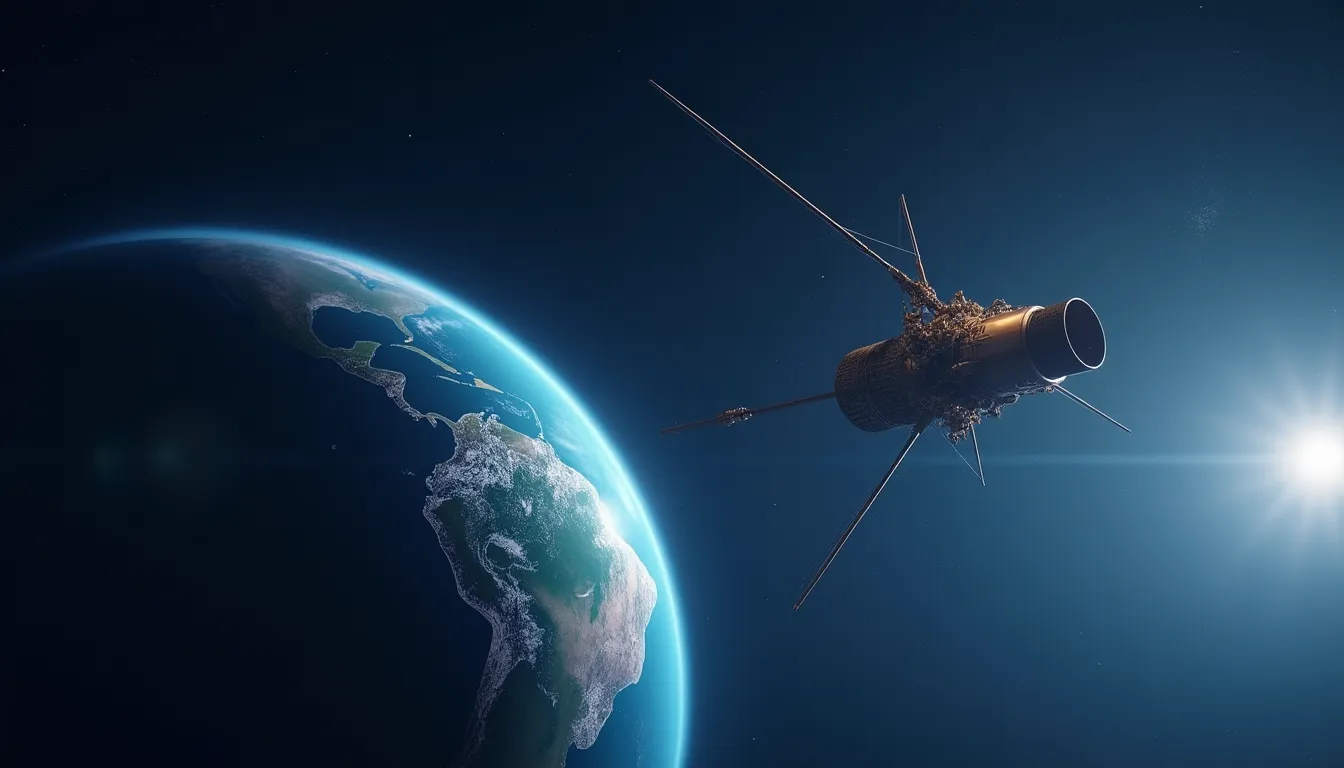
The aerospace industry is witnessing a surge in innovation and activity as March 2026 unfolds. Key advancements include NASA’s Artemis II mission, which is set to send astronauts past the Moon, SpaceX’s successful Falcon 9 Transporter 16 mission, and groundbreaking developments in Mars and exoplanet exploration technologies. This article provides an in-depth look at these significant events, their implications for the future of space exploration, and the cutting-edge technologies driving them forward.
NASA’s Artemis II Mission: A Step Closer to Lunar Exploration
NASA’s Artemis II mission has made headlines with its flight readiness confirmed during a review on March 12, 2026. This mission will mark a critical step as it aims to send a crewed Orion capsule around the Moon for approximately ten days, testing various systems without landing on the lunar surface. This mission is crucial for preparing for future lunar landings and establishing a sustainable human presence on the Moon.
However, challenges remain. The Space Launch System (SLS) rocket, intended for the Artemis II mission, encountered significant fuel leaks during a wet dress rehearsal. Over 700,000 gallons of hydrogen and oxygen were affected, prompting a retest that could delay the launch. As NASA strives to resolve these issues, the potential of the SLS rocket remains high, given its advanced capabilities designed for deep-space missions.
SpaceX Falcon 9 Transporter 16: A Successful Launch
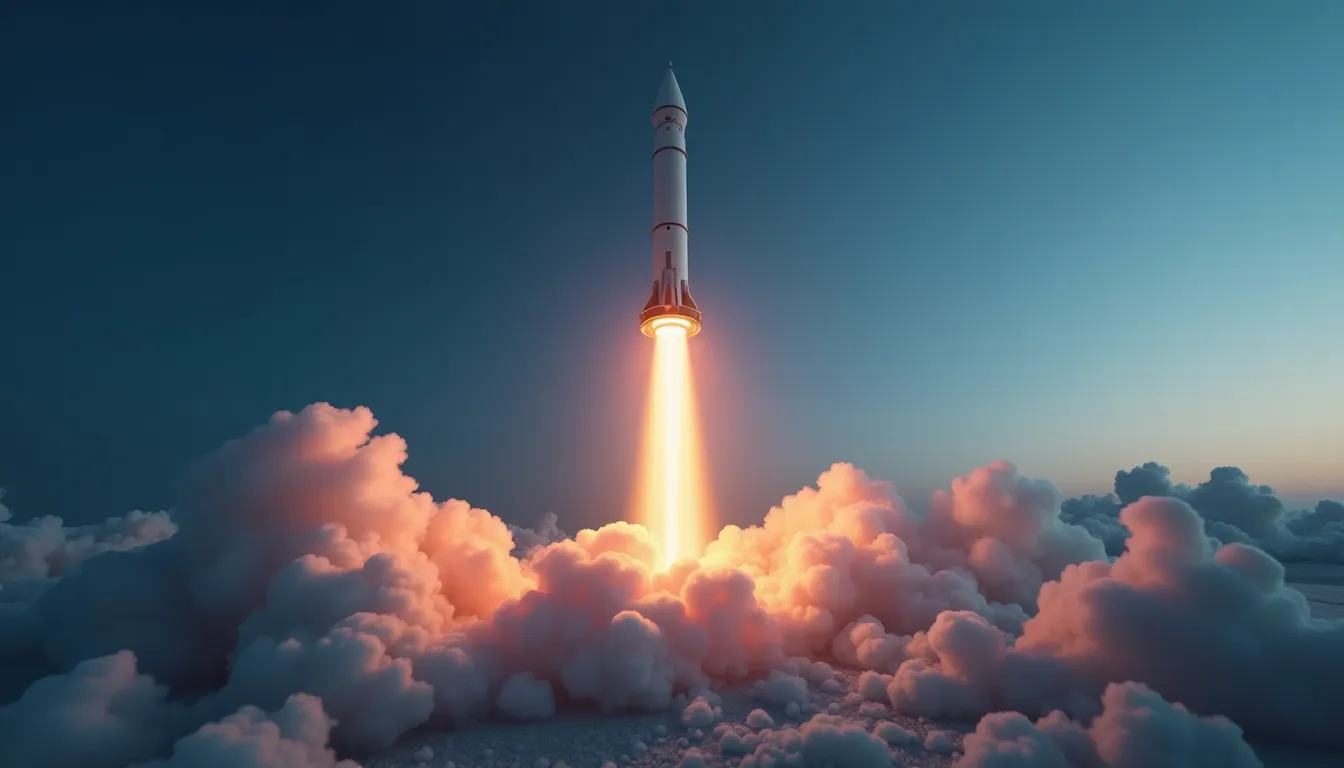
On March 30, 2026, SpaceX successfully launched its Falcon 9 Transporter 16 mission from Vandenberg Space Force Base. The rocket, equipped with booster B-1093, completed its twelfth flight, deploying multiple payloads into a sun-synchronous orbit. The mission showcased SpaceX’s continued reliability and efficiency in launching a variety of small satellites.
The Falcon 9’s performance was exemplary, with all payloads deployed as planned and the first stage successfully landing on the autonomous drone ship, Of Course I Still Love You (OCISLY). Utilizing RP-1 and liquid oxygen (LOX) as propellants, the Falcon 9’s rapid reusability and cost-effectiveness are pivotal in driving the commercial space sector forward, demonstrating the potential for increased frequency of launches.
Innovations in Mars and Exoplanet Exploration
In addition to crewed missions, the exploration of our solar system continues to advance. On March 14, twin spacecraft designed to study Mars’ atmosphere loss were launched successfully. These spacecraft leverage high-performance MEMS accelerometers, which provide superior stability and precision during launch, ensuring that critical data regarding Mars’ atmospheric conditions can be obtained.
Meanwhile, a new exoplanet imager has achieved first-light images using advanced CMOS technology. This imaging system integrates multi-resolution capabilities and automatic exposure control, essential for analyzing the atmospheres of distant celestial bodies. Such technologies highlight the ongoing quest to understand our universe better and identify potentially habitable exoplanets.
Market Trends: Growth and Innovations in Rocket Technology
The aerospace market is witnessing a significant shift with the space propellant tank sector projected to reach $3.76 billion by 2026, reflecting a compound annual growth rate (CAGR) of 6.5%. This growth is driven by innovations in lightweight composite materials and cryogenic technologies, which are essential for enhancing the reusability of rockets. As industry leaders like Rocket Lab prepare for the debut of their Neutron medium-lift rocket in late 2026, the emphasis on efficient and sustainable launch solutions becomes increasingly critical.
The Neutron rocket aims to target 50-100 flights annually after its initial block, showcasing the increasing demand for reliable medium-lift launch options. Companies are also exploring advanced navigation systems and control mechanisms to optimize rocket performance, which will be vital for the anticipated increase in satellite deployments and interplanetary missions.
Challenges Ahead: Delays and Risks
Despite these advancements, challenges persist in the rocket industry. SpaceX’s Starship V3, a more powerful iteration designed for next-generation Starlink satellites and potential lunar missions, is facing delays due to a booster explosion during a gas pressure test in November 2025. The anticipated mid-March test of Starship V3 remains uncertain, yet it is crucial for SpaceX’s vision of a fully reusable spacecraft capable of deep-space travel.
Additionally, the potential cancellation of the Artemis Exploration Upper Stage due to budget constraints raises concerns about NASA’s long-term plans for lunar exploration. As international competition in space intensifies, addressing these challenges will be essential for maintaining leadership in the aerospace sector.
Conclusion
March 2026 stands as a pivotal month for the aerospace industry, marked by significant advancements in rocket technology and space exploration missions. As organizations like NASA and SpaceX push the boundaries of what is possible, the focus on innovative technologies—such as high-performance MEMS accelerometers and advanced imaging systems—will continue to shape the future of space travel.
While challenges remain, the ongoing investment in research and development, coupled with a growing market for space-related technologies, suggests a promising horizon for the aerospace sector. As the industry moves toward a new era of exploration, the implications for scientific discovery and commercial opportunities are profound, setting the stage for the next generation of space pioneers.
References
-
Falcon 9 - Transporter 16 - SLC-4E - Vandenberg SFB, CA - YouTube (www.youtube.com) - 3/31/2026 Donald Trump LIVE: Trump’s Stunning Announcement | Trump Latest News LIVE | US News | White House … March 28, 2026. SPACE AFFAIRS. New. 1.7K …
-
March 2026: Major Advancements in Spacecraft and Space Missions (orbysa.com) - 3/22/2026 In March 2026, the aerospace industry witnessed significant advancements in spacecraft technology and missions, notably with NASA’s Artemis …
-
Who Wins the 2026 Medium-Lift Race? - YouTube (www.youtube.com) - 3/17/2026 I don’t know, in the end it’s only Rocket Lab that actually does things that really fly. 15:23 · Go to channel Space Startup News …
-
Space Propellant Tank Market 2026: Assess Engineering … (www.einpresswire.com) - 3/5/2026 Companies are focusing on lightweight composite materials, advanced cryogenic storage technologies, and reusable launch vehicle compatibility to …
-
China’s Rocket Deficit - The Wire China (www.thewirechina.com) - 3/1/2026 A Long March-8A carrier rocket carrying a new group of low Earth orbit satellites blasts off from the Hainan commercial spacecraft launch …
-
NASA Targets a March Launch of the Moon Rocket After Test Run … (www.military.com) - 2/3/2026 NASA said it will now target a March launch of its new moon rocket after running into exasperating fuel leaks during a make-or-break test a …
-
SpaceX eyes mid-March for first test of upgraded Starship rocket (techcrunch.com) - 1/26/2026 The delayed first test of SpaceX’s upgraded Starship rocket is now slated for mid-March, according to a post from CEO Elon Musk on his …