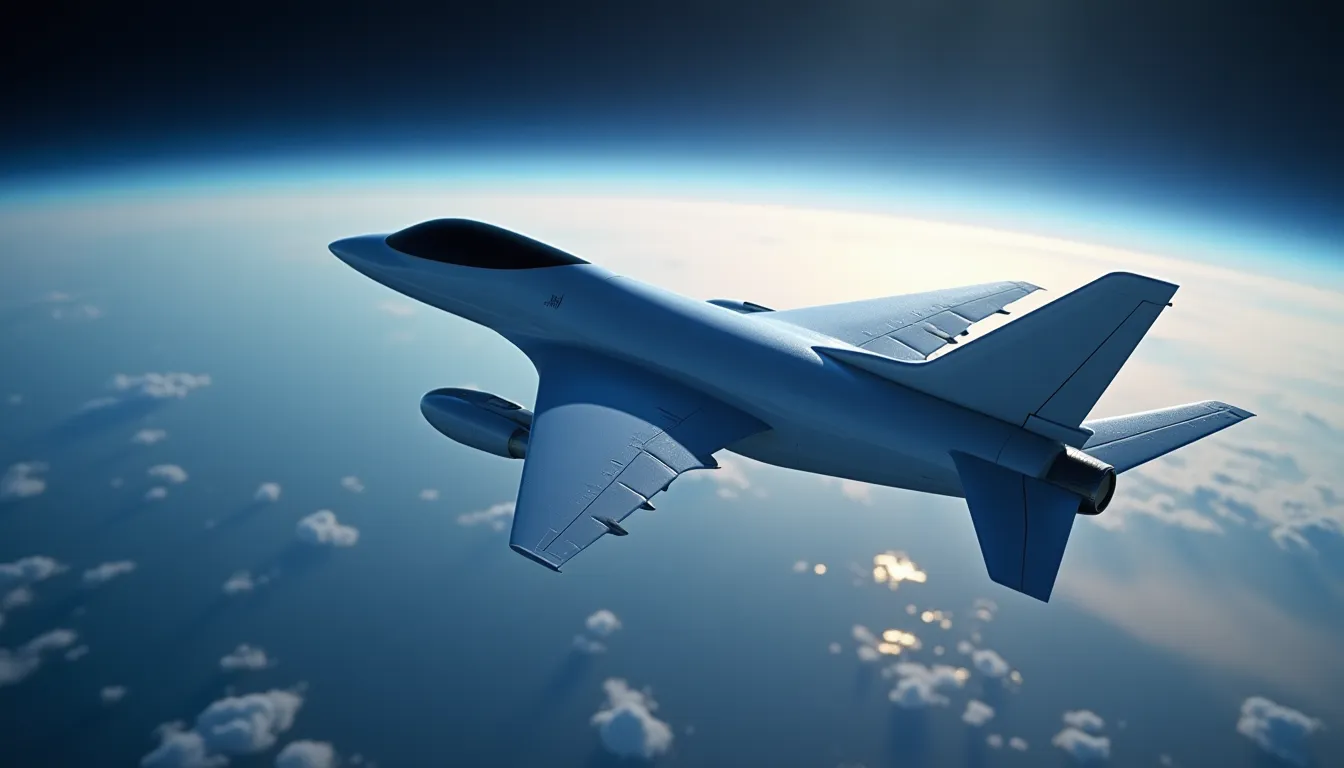
In an era defined by rapid technological advancements, the aerospace and defense sectors are increasingly focused on harnessing capabilities that enhance operational effectiveness and strategic superiority. Recent developments in Space Mobility and Logistics (SM&L) and artificial intelligence (AI) integration signify a pivotal shift in how military operations will be conducted in space and beyond. This article delves into the latest initiatives and technologies shaping the future of defense.
Space Mobility and Logistics: A Core Competency
The U.S. Space Force has identified Space Mobility and Logistics (SM&L) as a critical area of focus, emphasizing the need for enhanced spacecraft maneuverability, adaptability, and resilience. SM&L encompasses a variety of functions including inspection, material logistics, orbit modification, refueling, client augmentation, and active debris removal.
To develop a robust SM&L architecture, the Space Force is evaluating four strategic approaches:
- Participant: Collaborative partnerships with commercial entities.
- Customized: Tailored solutions for specific mission needs.
- Anchor Tenant: Establishing a central hub for logistics operations.
- Owner: Full ownership and operation of logistics capabilities.
This strategic framework aims to address the complexities of modern space operations and ensure the U.S. maintains its competitive edge in space.
Integrating AI for Space Superiority
As the 2026 Defense Strategy underscores the importance of space as a critical operational domain, emerging technologies are being developed to counter threats from peer adversaries, particularly China and Russia. A notable advancement is the introduction of the Jackal spacecraft, a modular platform equipped with multi-spectral sensors. This system enables detection and tracking of potential threats, allowing for rendezvous operations in low Earth orbit (LEO) and plans for deployment in geosynchronous and cislunar spaces.
Complementing this is the Mosaic software suite, designed to transform commanders’ intent into actionable operations. With a modular, platform-agnostic design, it integrates AI for command and control, facilitating autonomous decision-making and efficient management of satellite constellations. This innovative approach is indicative of a broader trend toward agile partnerships in the defense sector, significantly reducing development timelines and operational costs.
Strengthening the Defense Industrial Base
The 2026 National Defense Strategy also highlights the urgent need to strengthen the defense industrial base. This initiative is largely driven by recent strains on supply chains, particularly in light of ongoing support for Ukraine and preparations for potential conflicts in the Pacific. Bipartisan recognition of the necessity to bolster domestic manufacturing capabilities is crucial for maintaining military readiness and ensuring the production of advanced weapons and munitions.
In this context, initiatives such as drone education programs and enhanced training for unmanned aircraft systems are being implemented. For example, the 10-day unmanned aircraft system course at Fort Indiantown Gap, Pennsylvania, immerses soldiers in realistic combat scenarios, equipping them with essential skills for operational success.
Key Technical Advances in Aerospace
Recent advancements in aerospace technology are also noteworthy. The U.S. Marine Corps has approved a plan to enhance the capabilities of the F-35 fleet across all variants, ensuring that these advanced aircraft remain at the forefront of military aviation. Additionally, the integration of high-performance MEMS accelerometers and quartz MEMS gyroscopes into navigation systems is improving the stability and precision of aerospace applications.
Technologies such as the Advanced Sensor Module, which features a 9-DOF MEMS IMU that combines a three-axis gyroscope, accelerometer, and magnetic sensor, are redefining motion sensing capabilities. Furthermore, optical technologies like the DBY011550M System are facilitating advanced applications with integrated polarizers and modulators, enhancing communication and radar systems.
Conclusion
As the aerospace and defense sectors continue to evolve, the harnessing of innovative technologies and strategic frameworks is essential for maintaining superiority in an increasingly complex global landscape. The focus on Space Mobility and Logistics, AI integration, and strengthening the defense industrial base reflects a comprehensive approach to future military operations. Looking ahead, the collaboration between government and industry will be pivotal in shaping the next generation of defense capabilities, ensuring that the U.S. remains prepared for the challenges of tomorrow.
References
-
In Our Communities – Association of Defense Communities (ADC) (defensecommunities.org) - 2/27/2026 Fort Indiantown Gap, Pennsylvania ran a 10-day unmanned aircraft system course to educate soldiers on drone operation.
-
The Ultimate High Ground: Space in US Defense Strategy (www.military.com) - 2/15/2026 The 2026 Defense Strategy elevates space as the new high ground. In an exclusive interview, Stephen Kitay explains how AI and autonomous …
-
[PDF] from the deputy commandant for aviation - Department of War (media.defense.gov) - 2/10/2026 After a detailed analysis was conducted in February. 2024, a plan was approved to increase all fleet F-35. U.S. Marine Corps photo by Lance Cpl.
-
The 2026 National Defense Strategy by the Numbers - CSIS (www.csis.org) - 1/27/2026 The 2026 National Defense Strategy denounces earlier strategies, focuses on this hemisphere, and pressures allies to provide their own …
-
New Defense Strategy Unveiled (defenseacquisition.substack.com) - 1/24/2026 Welcome to the latest edition of Defense Tech and Acquisition. The Department issued a new National Defense Strategy.
-
AeroDef: Future Forward. Harnessing Collective Innovation for … (www.aerodefevent.com) - 1/22/2026 In 2026, AeroDef Manufacturing is represented on the national stage by a multi-faceted showcase at RAPID + TCT 2026. You’ll find top-tier technology and …
-
Enabling a New Space Paradigm: Harnessing Space Mobility and … (csps.aerospace.org) - 1/5/2023 Can the U.S. Space Force mature its Space Mobility and Logistics (SM&L) capabilities using four approaches—Participant, Customized, …