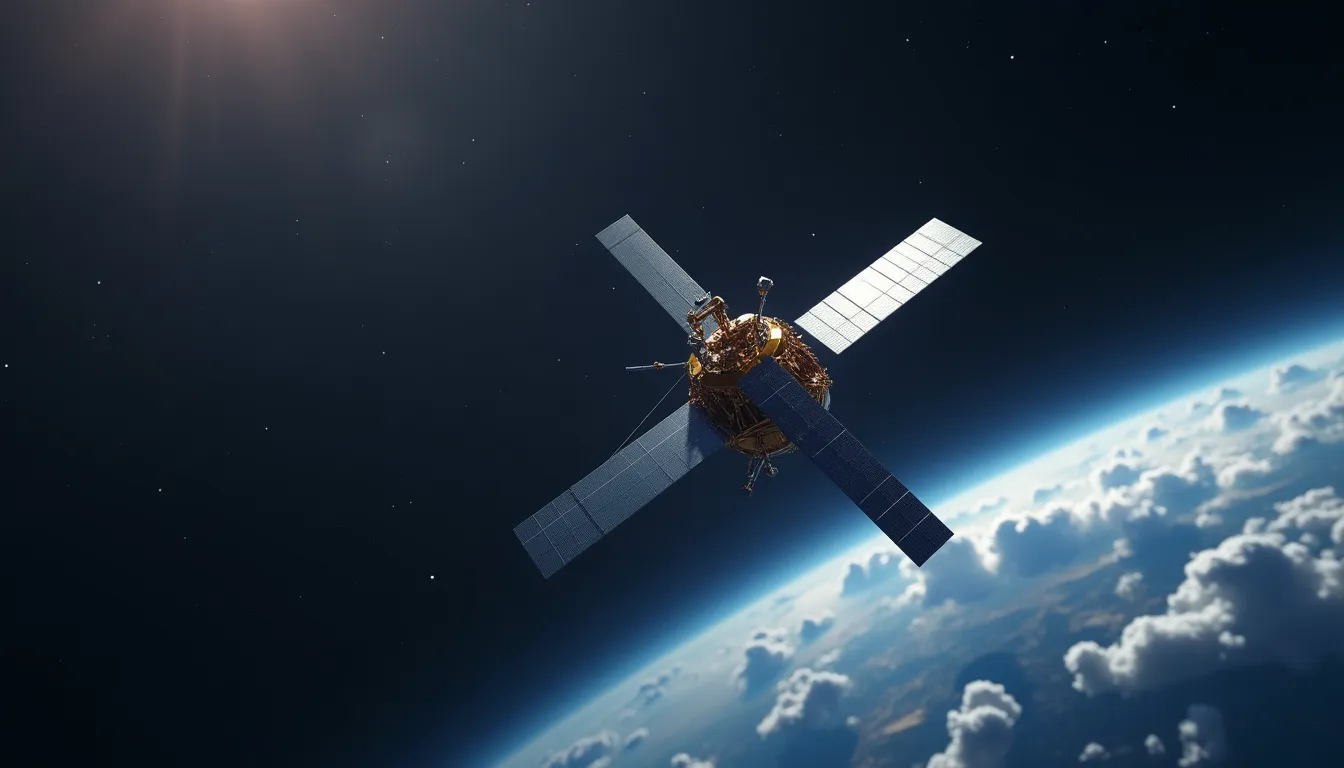
In a significant development within the aerospace sector, Amazon has announced the acquisition of 10 additional Falcon 9 launches from SpaceX. This decision underscores Amazon’s commitment to expanding its satellite operations, particularly within the realm of its Project Kuiper initiative, which aims to deploy a constellation of low Earth orbit (LEO) satellites to deliver high-speed internet access globally.
A New Era for Satellite Communications
The launch of these satellites is poised to enhance Amazon’s ability to provide reliable internet services, especially in underserved regions. Project Kuiper is designed to operate a network of over 3,200 satellites, which will facilitate broadband connectivity across the globe. This expansion comes as part of a broader strategy to increase competition in the satellite internet market, particularly against established players like SpaceX’s Starlink.
Technical Specifications and Innovations
The Falcon 9 rocket, known for its reusability and efficiency, is an ideal choice for satellite deployment. Each Falcon 9 launch can carry approximately 22,800 kilograms to low Earth orbit, making it suitable for deploying multiple satellites in a single mission. The rocket’s advanced inertial navigation systems ensure precise trajectory control, crucial for the successful placement of satellites in their intended orbits.
Additionally, the integration of high-precision accelerometers in the Falcon 9’s guidance systems contributes significantly to the reliability of these launches. These technologies are essential for maintaining the accuracy and stability of the satellite constellation once deployed.
Industry Context and Competitive Landscape
Amazon’s investment in satellite launches is a strategic move to position itself as a leader in the space-based internet service market. The race to provide global internet coverage has intensified, and companies are increasingly looking toward satellite constellations as a solution. According to aerospace analyst Dr. Emily Carter, “Amazon’s aggressive expansion into satellite communications is a clear indication of its ambition to compete with existing service providers. The scalability of Project Kuiper could redefine how internet services are delivered worldwide.”
With the addition of these Falcon 9 launches, Amazon is on track to accelerate its satellite deployment timeline, which could see its first satellites operational by 2024. This rapid rollout is essential for capturing market share in the burgeoning satellite internet sector.
Future Developments and Implications
The implications of Amazon’s satellite venture extend beyond internet connectivity. By leveraging its advanced cloud computing capabilities, Amazon Web Services (AWS), the company can offer integrated solutions that combine satellite data with cloud services. This synergy could pave the way for innovative applications in various sectors, including agriculture, telemedicine, and disaster management.
Moreover, as the satellite landscape evolves, we can expect advancements in related technologies such as thermal management systems to enhance satellite performance and longevity in orbit. These systems are critical for ensuring that satellites can operate effectively in the harsh conditions of space, thus maximizing their operational lifespan.
Expert Insights
Industry experts are optimistic about the potential of Amazon’s satellite initiative. “The convergence of satellite technology and cloud computing is likely to create unprecedented opportunities for businesses and consumers alike,” remarks aerospace consultant Mark Thompson. “As more players enter the market, we can anticipate significant innovations that will ultimately benefit end-users.”
Conclusion
Amazon’s recent acquisition of 10 Falcon 9 launches marks a pivotal moment in the company’s journey toward becoming a major player in the satellite communications industry. As the company progresses with Project Kuiper, the ramifications for global internet access and the competitive landscape will be profound. The advancements in satellite technology, particularly in precision navigation and thermal management, will play a crucial role in the success of this ambitious project.
With the first launches expected to commence soon, the world will be watching closely as Amazon aims to transform the way we connect, communicate, and conduct business in an increasingly digital age.
References
-
satellite Research - defensenews.com (defensenews.com)
-
satellite Research - aviationweek.com (aviationweek.com)
-
satellite Research - spacenews.com (spacenews.com)