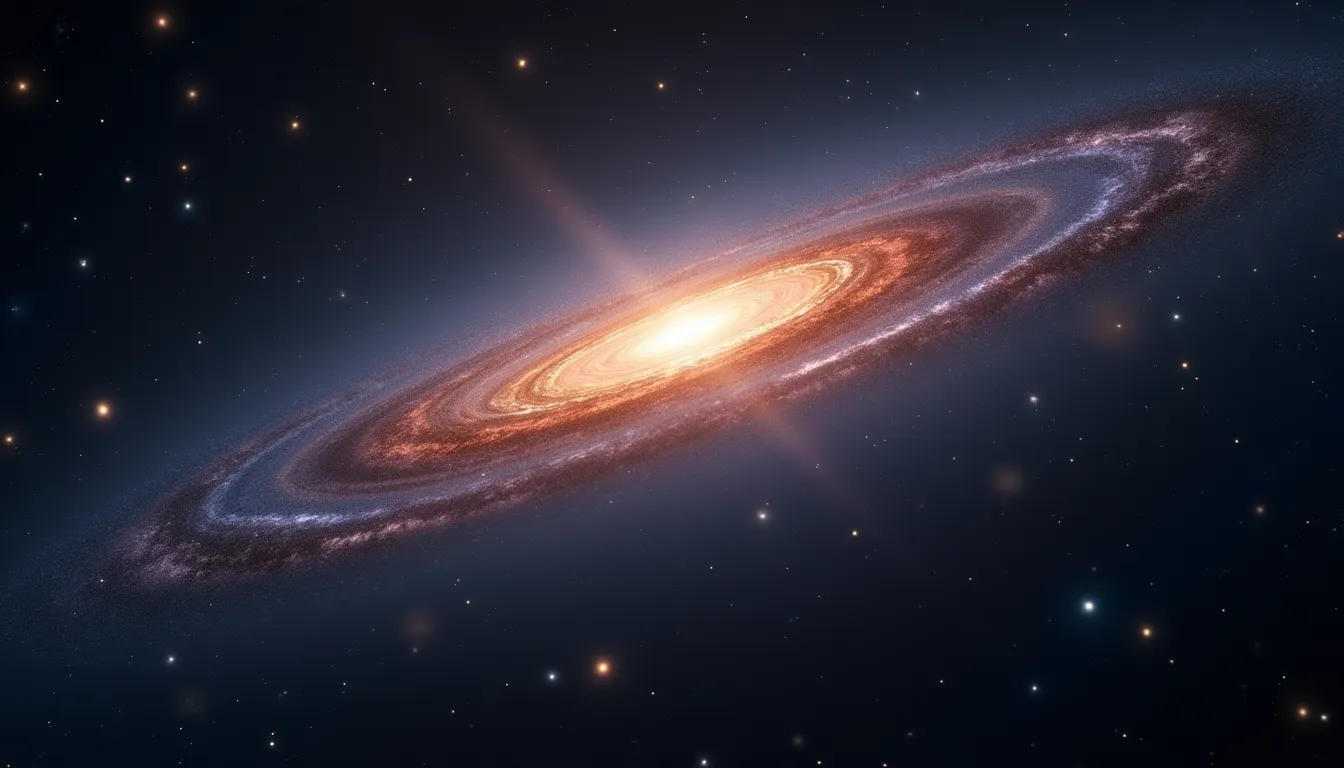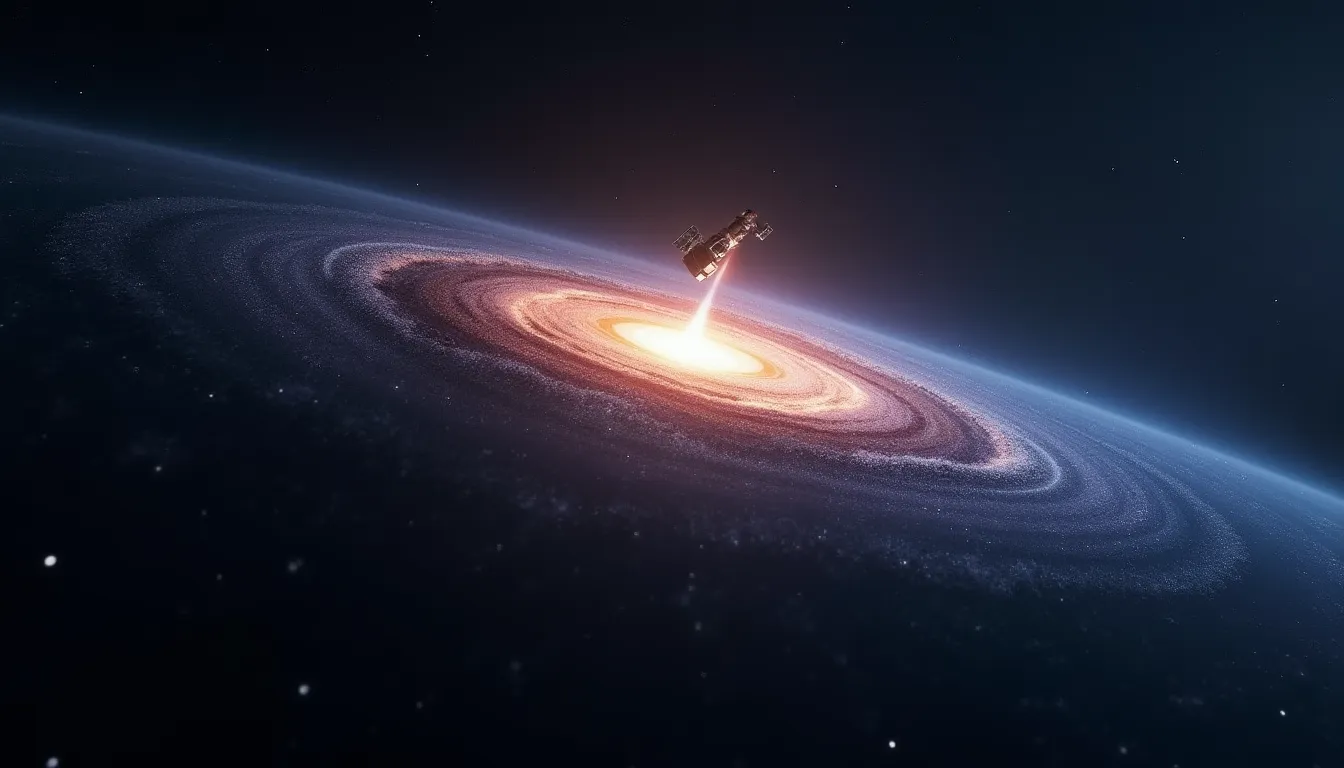
NASA’s Hubble Space Telescope, renowned for its breathtaking images and invaluable contributions to our understanding of the universe, has recently unveiled 1400 quirky objects from its extensive archive. This remarkable discovery opens a new chapter in astronomical research, providing fresh insights into the cosmos.
A Treasure Trove of Discovery
The Hubble Space Telescope has been observing celestial phenomena since its launch in 1990, collecting vast amounts of data that researchers have only begun to analyze thoroughly. The recent identification of 1400 oddball objects highlights the potential still hidden within Hubble’s archives.
These objects range from peculiar star formations to exotic galaxies, each presenting unique characteristics that challenge existing astronomical theories. According to Dr. Emily Thompson, an astrophysicist at the Space Telescope Science Institute, “This unprecedented catalog of quirky objects will stimulate new research and potentially lead to groundbreaking discoveries about the formation and evolution of the universe.”
Technical Insights into the Discoveries
The analysis of these 1400 quirky objects leverages advanced data processing techniques and algorithms designed to sift through Hubble’s massive datasets. Utilizing high-precision accelerometers and other analytical tools, scientists can isolate and categorize these unusual celestial bodies, revealing insights that were previously obscured by the sheer volume of data.
The Role of Technology in Astronomy
The identification of these objects would not have been possible without the integration of sophisticated technologies. For instance, inertial navigation systems have been instrumental in ensuring accurate positioning and tracking of the telescope’s movements, allowing for precise observations of celestial phenomena. As Dr. Thompson explains, “The synergy between advanced instrumentation and data analysis techniques is crucial for making sense of the cosmos.”
Implications for Future Research
The discovery of these 1400 quirky objects not only enhances our understanding of existing astronomical concepts but also raises new questions about the nature of the universe. Researchers are particularly intrigued by the potential for these objects to reveal insights into dark matter and dark energy, two of the most enigmatic components of our universe.
Dr. Mark Liu, an astrophysicist at NASA, notes, “By studying the properties of these peculiar objects, we may uncover clues about the fundamental forces that govern the cosmos, potentially reshaping our understanding of physics.”
Future Developments in Space Observation
As the field of astronomy continues to evolve, the potential for further discoveries remains vast. Upcoming projects, including the James Webb Space Telescope (JWST), are set to complement Hubble’s findings by observing the universe in different wavelengths. This next-generation telescope will enable scientists to explore the environments of these 1400 quirky objects in greater detail, providing a multi-faceted view of their formation and evolution.
The integration of advanced thermal management systems in JWST will ensure optimal performance in the harsh conditions of space, allowing for long-term observations that could reveal even more about these unique celestial phenomena.
Conclusion: A New Era in Astronomy
The identification of 1400 quirky objects in Hubble’s archive is a testament to the telescope’s enduring legacy and the ingenuity of the scientific community. As researchers delve deeper into this newfound treasure trove, the potential for groundbreaking discoveries looms large. The insights garnered from these objects may not only enhance our understanding of the universe but also inspire future generations of astronomers to continue exploring the cosmos.
With the collaboration of cutting-edge technologies such as gyroscopic instruments and innovative data analysis methods, the astronomical community stands on the brink of new frontiers. As we look to the stars, the discoveries from Hubble’s archives serve as a reminder of the mysteries that still await our understanding in the vastness of space.
References
-
1400 Research - defensenews.com (defensenews.com)
-
1400 Research - aviationweek.com (aviationweek.com)
-
1400 Research - spacenews.com (spacenews.com)