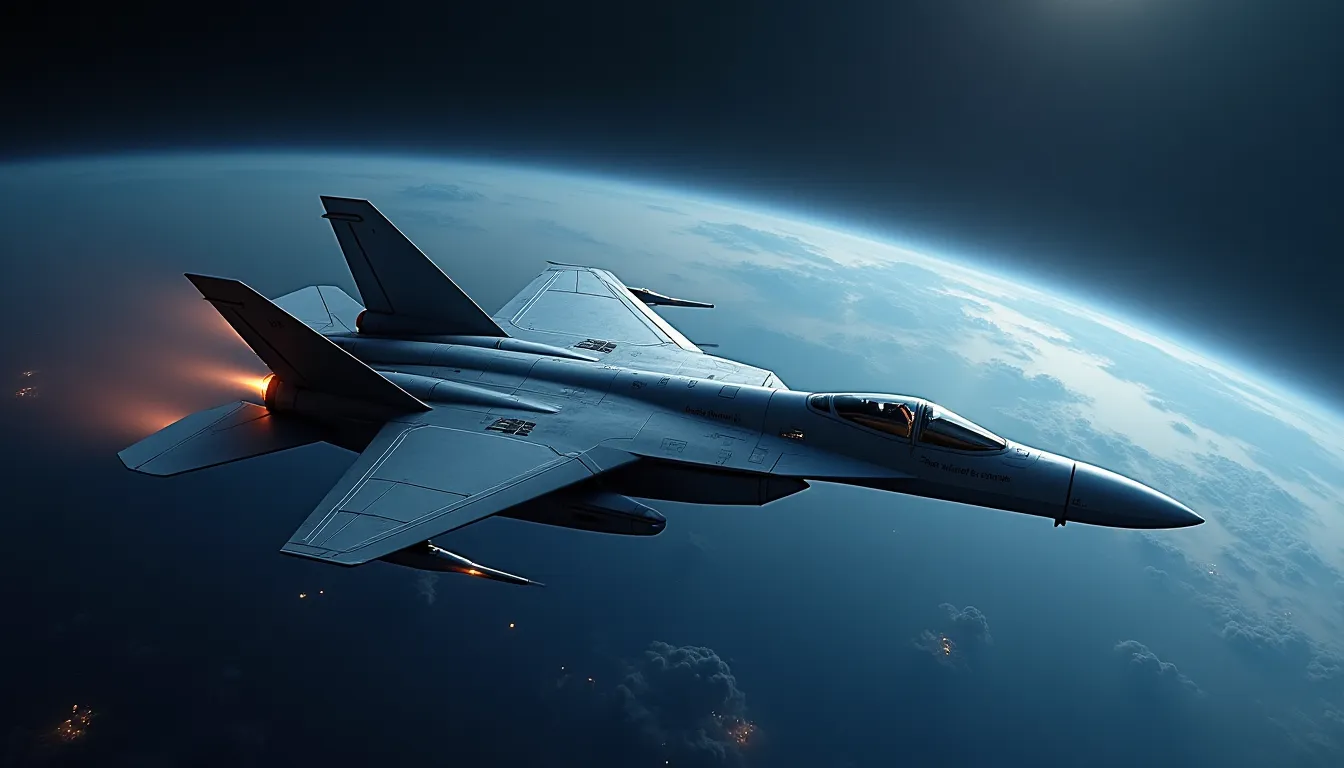
Recent advancements in mapping technologies are shaping the future of the aerospace and defense sectors, emphasizing improvements in navigation, sensor fusion, and situational awareness systems. These innovations are critical in enhancing operational capabilities for military applications, ensuring that forces can navigate effectively in contested environments.
Collins Aerospace MAPS Gen II System: A New Era in Navigation
Collins Aerospace has marked a significant milestone with the approval for full-rate production of its Mounted Assured Positioning, Navigation, and Timing (PNT) Generation II system (MAPS Gen II). This system is designed to be jam-and-spoof-resistant, providing robust navigation solutions for U.S. Army and Marine Corps combat ground vehicles and military watercraft.
The MAPS Gen II integrates satellite navigation with secured sensor data, ensuring reliable positioning and timing even under the most challenging conditions. This capability is essential for multiple mission sets, including combat, artillery, air and missile defense, and logistics operations. The system features advanced components such as the NavHub™-100 navigation system and the Multi-Sensor Antenna System (MSAS-100), which collectively enhance navigational accuracy.
Counter-Drone Technologies Enhancing Airspace Security
With the rise of unmanned aerial vehicles (UAVs), the need for effective counter-drone mapping and detection systems has become paramount. AeroVironment is at the forefront of this effort, deploying advanced counter-drone technologies at Grand Forks Air Force Base. The integration of long-range anti-drone detection systems, such as the Titan and Titan-SV, with the AV Halo Command software platform showcases how sensor fusion can create a comprehensive airspace picture beyond visual line of sight.
This initiative not only enhances situational awareness but also plays a crucial role in broader national defense projects, such as the Golden Dome for America missile defense system. By employing sophisticated algorithms and data integration techniques, these systems can identify and neutralize potential drone threats effectively, safeguarding military bases and operations.
The Air Force’s Command and Control Prototyping Initiatives
The U.S. Air Force is scaling up its efforts in command, control, communication, and battle management (C3BM) prototyping to improve the integration of sensors and shooters across multiple domains. The Tactical Operation Centers-Light (TOC-L) system, for instance, is a groundbreaking development that generates an integrated air picture from hundreds of sensor feeds.
This enhanced capability supports real-time decision-making, allowing commanders to respond swiftly to emerging threats. The TOC-L system is a vital component of the Department of the Air Force Battle Network and aligns with the Pentagon’s Combined Joint All-Domain Command and Control (CJADC2) initiative, which aims to unify geospatial and sensor data for faster operational responses.
The Role of AI and IoMT in Mapping and Situational Awareness
Artificial intelligence (AI) and the Internet of Military Things (IoMT) are transforming how military forces approach mapping and situational awareness. By enabling real-time data fusion from interconnected sensors on vehicles, drones, soldiers, and bases, these technologies significantly enhance battlefield understanding and decision-making.
For instance, the deployment of precision accelerometers and advanced sensor modules allows for exceptional stability and comprehensive motion sensing capabilities. Additionally, the use of high-performance MEMS accelerometers ensures superior reliability for precision sensing applications, thereby improving the overall operational efficiency of military systems.
Open Geospatial Technologies and Satellite Constellations
The growing interest in open geospatial technologies is driving advancements in mapping capabilities for aerospace and defense. The rapid expansion of satellite constellations enables full global 3D geospatial experiences, which are crucial for operational planning, training, and analysis. These technologies enhance the fidelity and accessibility of mapping data, particularly in complex geopolitical environments.
By utilizing open-source geospatial tools, military planners can leverage rich datasets to inform strategic decisions, ensuring that forces are well-prepared for various operational scenarios. The integration of these technologies with advanced navigation systems not only streamlines processes but also improves situational awareness in dynamic environments.
Conclusion
The landscape of mapping technologies within the aerospace and defense sectors is evolving rapidly, driven by innovations in navigation systems, sensor fusion, and geospatial data integration. As military forces continue to embrace these advancements, they will undoubtedly enhance their operational capabilities, ensuring that they remain effective in increasingly complex and contested environments. The continuous investment in technologies like the MAPS Gen II system and advanced counter-drone solutions will play a pivotal role in shaping the future of military operations, ultimately leading to improved safety and mission success on the battlefield.
References
-
AeroVironment to deploy counter-drone tech at Grand Forks USAF … (www.defensenews.com) - 10/15/2025 AeroVironment announced Tuesday it will deploy a counter-drone capability at Grand Forks Air Force Base in North Dakota, as part of its …
-
Air Force looks to scale up C2 prototyping, experimentation efforts (defensescoop.com) - 10/3/2025 Air Force looks to scale up C2 prototyping, experimentation efforts … “All of the major C2 breakthroughs that we’ve had in the last five years …
-
Collins Aerospace to Provide NATO With EW and Combat … (thedefensepost.com) - 9/17/2025 NATO has awarded Collins Aerospace a contract to supply its Electronic Warfare Planning and Battle Management software.
-
New Technology Trends in Aerospace and Defense Industry [2025] (www.epicflow.com) - 8/21/2025 In 2025, the aerospace and defense industry is projected to grow and progress: the air travel demand has already returned to the …
-
Collins Aerospace approved to begin Full Rate Production of MAPS … (www.rtx.com) - 3/11/2025 Mounted navigation system has met milestone requirements for U.S. ArmyCEDAR RAPIDS, Iowa, March 11, 2025 /PRNewswire/ — Collins Aerospace, …
-
[PDF] Emerging trends in aerospace and defense 2025 (assets.kpmg.com) From strategy development and journey road mapping to technology implementation and system integration, KPMG professionals have the tools and experience to …
-
Aerospace, Defense, and Open Geospatial Technologies … - Cesium (cesium.com) - 5/14/2025 Our third installment highlights two more tracks at the 2025 Cesium Developer Conference: community-contributed aerospace and defense topics …
-
The 2025 Aerospace & Defence outlook: Key takeaways for building … (eurostep.com) - 2/26/2025 The 2025 Aerospace & Defence outlook: Key takeaways for building a better collaboration across the life cycle. The 2025 A&D outlook: Key takeaways for building …
-
2025 Aerospace and Defense Industry Outlook | Deloitte Insights (www2.deloitte.com) - 10/23/2024 The aerospace and defense industry is likely to see broad-based operationalization of an array of technologies.