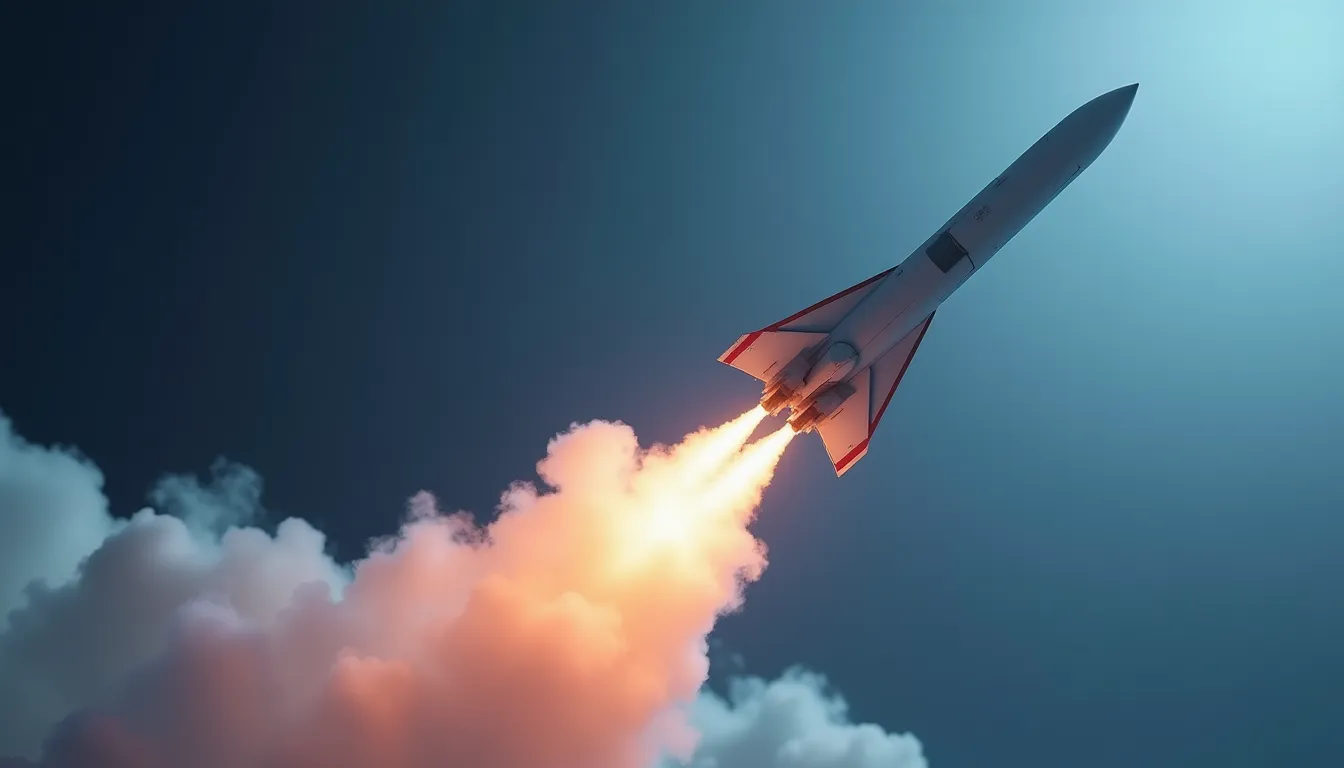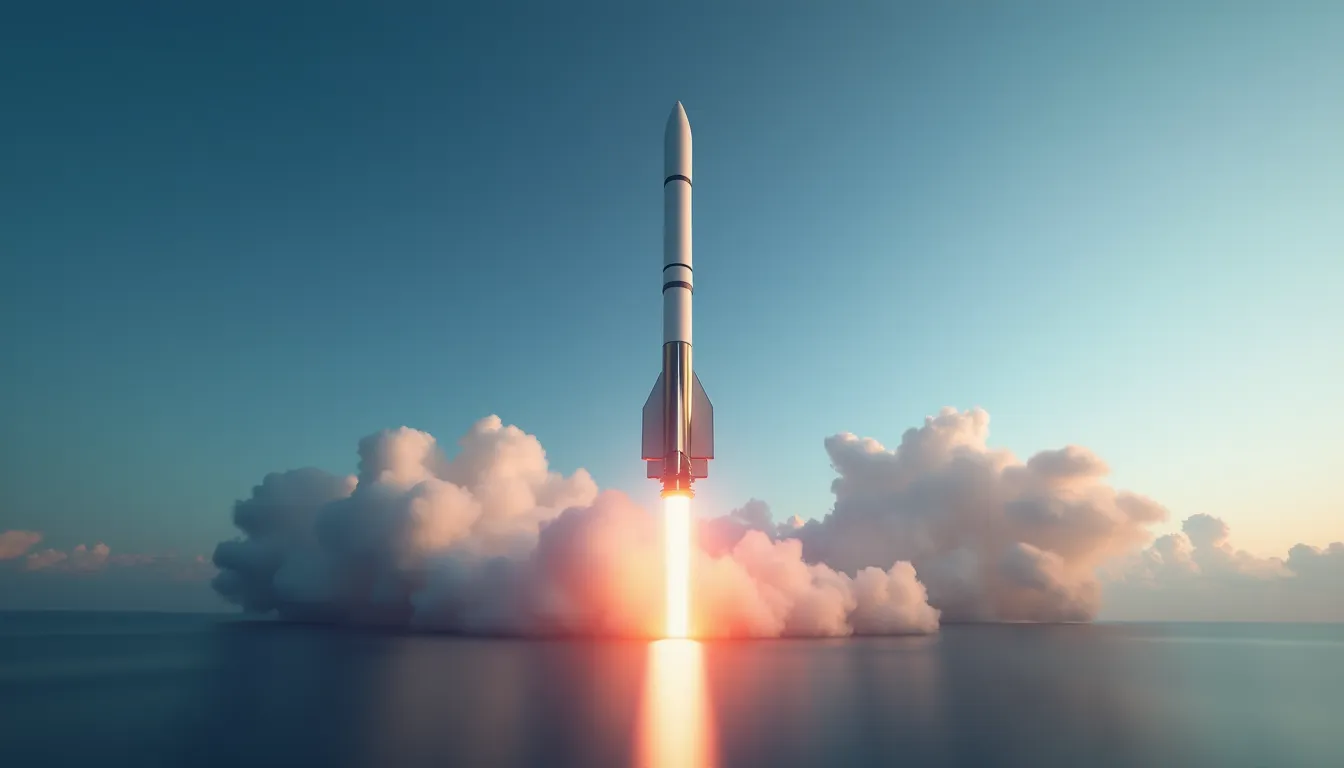
As the U.S. Army embarks on its long march toward a fully connected force, the strategic importance of space technology has never been more pronounced. The integration of advanced missile systems within a space-enabled operational framework is reshaping military capabilities and enhancing combat effectiveness across various theaters.
The Importance of Space in Missile Systems
Space technology plays a pivotal role in the operational capabilities of modern missile systems. With the rise of global threats and the increasing sophistication of adversaries, the Army is focusing on enhancing its missile systems to ensure precision and reliability. Satellite communications, reconnaissance, and targeting systems are integral to this modern military landscape.
According to Dr. Emily Carter, a defense technology analyst, “The use of space in missile operations allows for real-time data sharing and enhanced situational awareness. This is crucial for making informed decisions on the battlefield.”
Integration of Advanced Technologies
One of the key components in modern missile systems is the use of precision accelerometers that enable accurate motion sensing and trajectory adjustments. These high-precision devices ensure that missiles can be guided with extreme accuracy, adapting to dynamic battlefield conditions.
Additionally, inertial navigation systems are essential for missile guidance, especially in environments where GPS signals may be compromised. These systems provide precise positioning data, allowing missiles to navigate effectively to their targets, even in complex terrains.
The Role of Thermal Management Systems
For long-range missile systems, power management is crucial. The Army’s reliance on robust energy solutions is highlighted by the integration of the Thermal Battery System for Missile Systems (Model: FXSC5800M). This extended-duration thermal battery supports long-range missions, providing reliable power for missile systems during critical operations. In the context of space operations, the ability to maintain operational readiness over extended periods is vital.
“The FXSC5800M ensures our missile systems have the power they need to operate in space-enhanced environments, where traditional power sources may fall short,” noted Major General Thomas Lewis, an Army spokesperson.
Future Developments in Missile Technology
As military technology continues to evolve, the future of missile systems appears promising. The Army is investing heavily in research and development to enhance the capabilities of its missile arsenals. This includes advancements in artificial intelligence and machine learning, which will allow for smarter, more autonomous systems.
Dr. Carter elaborated, “The integration of AI into missile guidance systems could revolutionize how we engage targets, significantly reducing response times and improving accuracy.”
Moreover, collaborations with private sector innovators are expected to accelerate the development of next-generation missile technologies. These partnerships will facilitate the integration of cutting-edge components, such as advanced gyroscopic instruments, enhancing stability and control during flight.
Conclusion: The Path Ahead
The U.S. Army’s commitment to integrating space capabilities into its missile systems reflects a broader trend toward modernization and enhanced military readiness. As geopolitical tensions escalate, the need for a connected force that leverages the advantages of space technology becomes increasingly critical.
With the ongoing development of advanced missile systems and the strategic use of space, the Army is positioned to maintain its competitive edge in an ever-evolving defense landscape. The future of military operations will undoubtedly be shaped by these technological advancements, ensuring that the Army remains prepared for any challenge that may arise.
As the Army continues its transformative journey, the integration of space capabilities into missile systems will not only enhance operational effectiveness but also redefine the nature of modern warfare. The move toward a connected force is more than just a technological upgrade; it is a strategic imperative that will shape the future of military engagement.
References
-
missile Research - defensenews.com (defensenews.com)
-
missile Research - aviationweek.com (aviationweek.com)
-
missile Research - spacenews.com (spacenews.com)