First Ariane 64 Launch Delayed to 2026
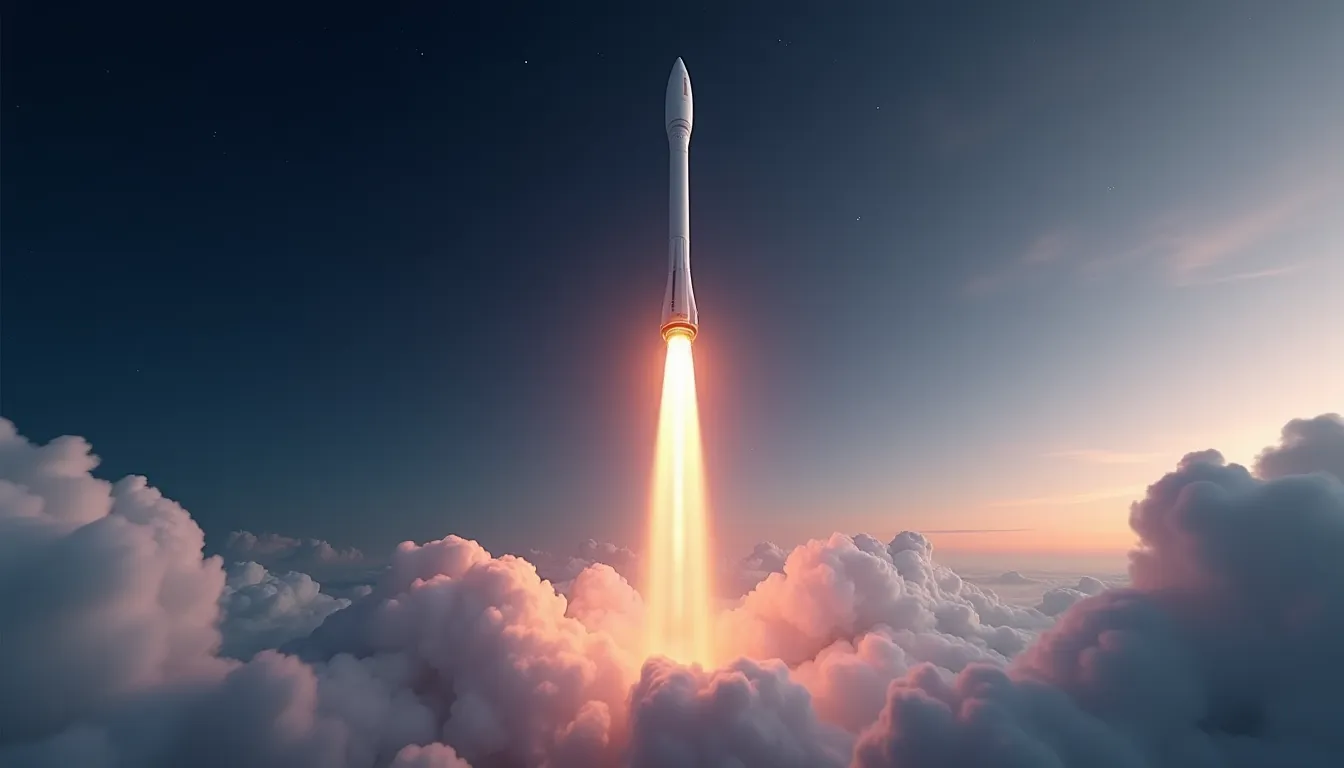
The European Space Agency (ESA) has announced that the first launch of the Ariane 64 rocket has been postponed to 2026, a significant delay that reflects ongoing challenges in the aerospace sector. Originally scheduled for a 2025 debut, this postponement raises concerns about Europe’s competitive edge in the global space race and the implications for commercial satellite launches.
Reasons Behind the Delay
The delay in the Ariane 64 launch is attributed to a combination of technical issues and supply chain disruptions affecting key components required for the rocket’s assembly. ESA officials noted that the integration of advanced systems, including precision accelerometers and inertial navigation systems, has taken longer than expected. “Ensuring the reliability and safety of the Ariane 64 is our utmost priority, and we will not compromise on quality,” said Dr. Sarah Klein, a senior engineer at ESA.
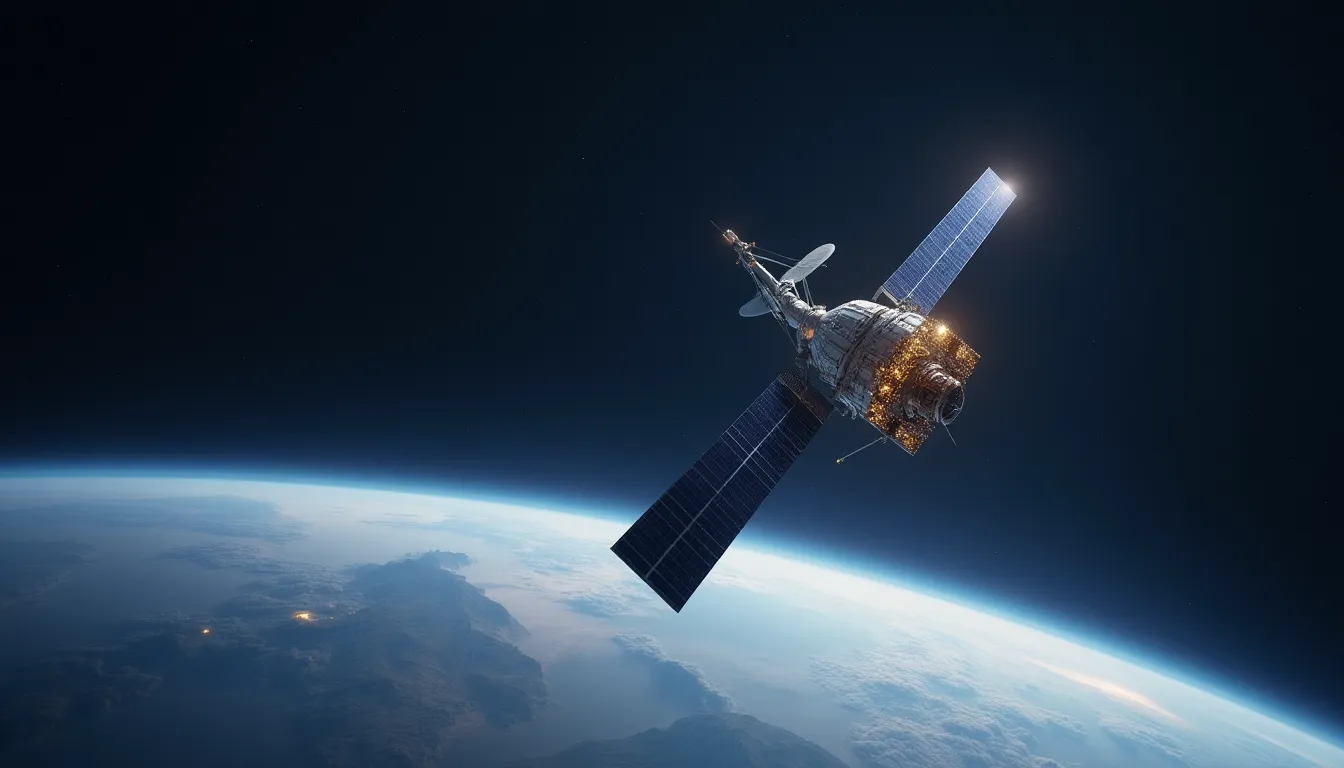
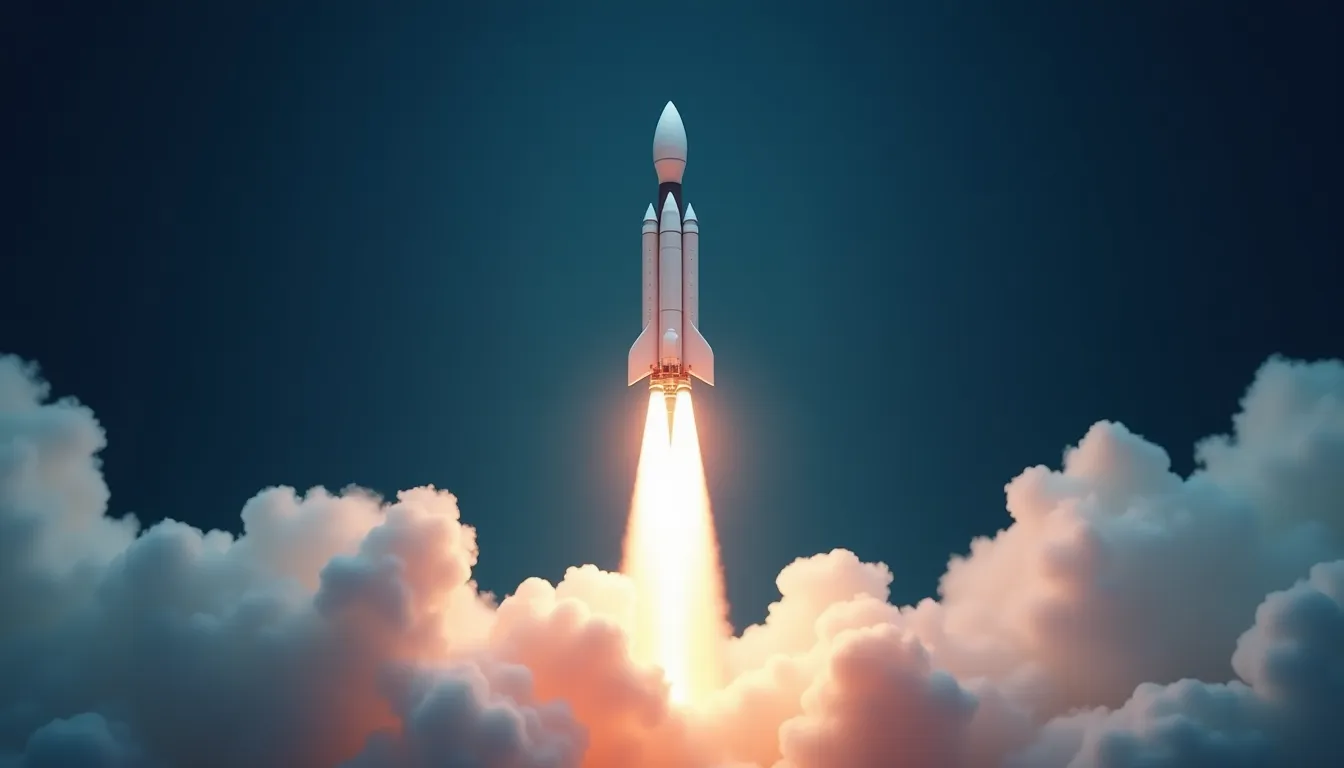
The Ariane 64, a significant upgrade from its predecessor, the Ariane 5, is designed to carry heavier payloads into geostationary orbit, supporting a growing demand for satellite launches. The rocket will feature four solid rocket boosters, increasing its lifting capacity and allowing it to compete directly with the SpaceX Falcon 9 and other commercial launch vehicles.
Technical Specifications of the Ariane 64
The Ariane 64 is expected to incorporate several cutting-edge technologies that enhance its performance:
- Lifting Capacity: Capable of carrying payloads of up to 20 tons to geostationary transfer orbit (GTO).
- Advanced Guidance Systems: Equipped with state-of-the-art gyroscopic instruments to ensure precise trajectory control throughout the launch.
- Thermal Management Systems: Designed to withstand extreme temperatures during ascent, safeguarding sensitive payloads.
These enhancements are crucial as commercial satellite operators increasingly demand reliability and efficiency from launch providers.
Impacts on the European Space Market
The delay of the Ariane 64 has broader implications for the European space market. With the rise of private companies like SpaceX dominating the launch landscape, Europe risks losing its foothold in the market unless it can deliver competitive and timely solutions. The postponement may also affect existing contracts with satellite operators who rely on timely launches for their services.
Dr. Emily Roberts, an aerospace analyst at the European Space Policy Institute, commented, “The Ariane 64 is pivotal to maintaining Europe’s position in the global space economy. This delay not only affects immediate launches but also the long-term strategic vision for Europe in space exploration and satellite deployment.”
Future Developments and Expectations
Looking ahead, ESA plans to expedite the integration process for the Ariane 64. The agency is also investing in enhancing its supply chain resilience to avoid future delays. As competition intensifies, there is an expectation that the agency will leverage innovations in both hardware and software to streamline the launch process.
Additionally, the European Space Agency is simultaneously developing its next-generation rocket, the Ariane 6, which aims to incorporate more reusable technologies. This approach can help mitigate costs and enhance launch frequency, addressing the demand for reliable and economical access to space.
Conclusion
The shift of the Ariane 64 launch to 2026 is a wake-up call for the European space sector, highlighting the need for innovation and agility in an increasingly competitive environment. While the challenges are significant, the potential benefits of a successful Ariane 64 launch could pave the way for a rejuvenated European presence in space.
The aerospace industry will be watching closely as ESA implements strategies to overcome these challenges and deliver a launch vehicle that meets the needs of the modern space economy. As the countdown to 2026 begins, the focus remains on ensuring that the Ariane 64 fulfills its promise to revolutionize satellite access to space.
References
-
rocket Research - defensenews.com (defensenews.com)
-
rocket Research - aviationweek.com (aviationweek.com)
-
rocket Research - spacenews.com (spacenews.com)