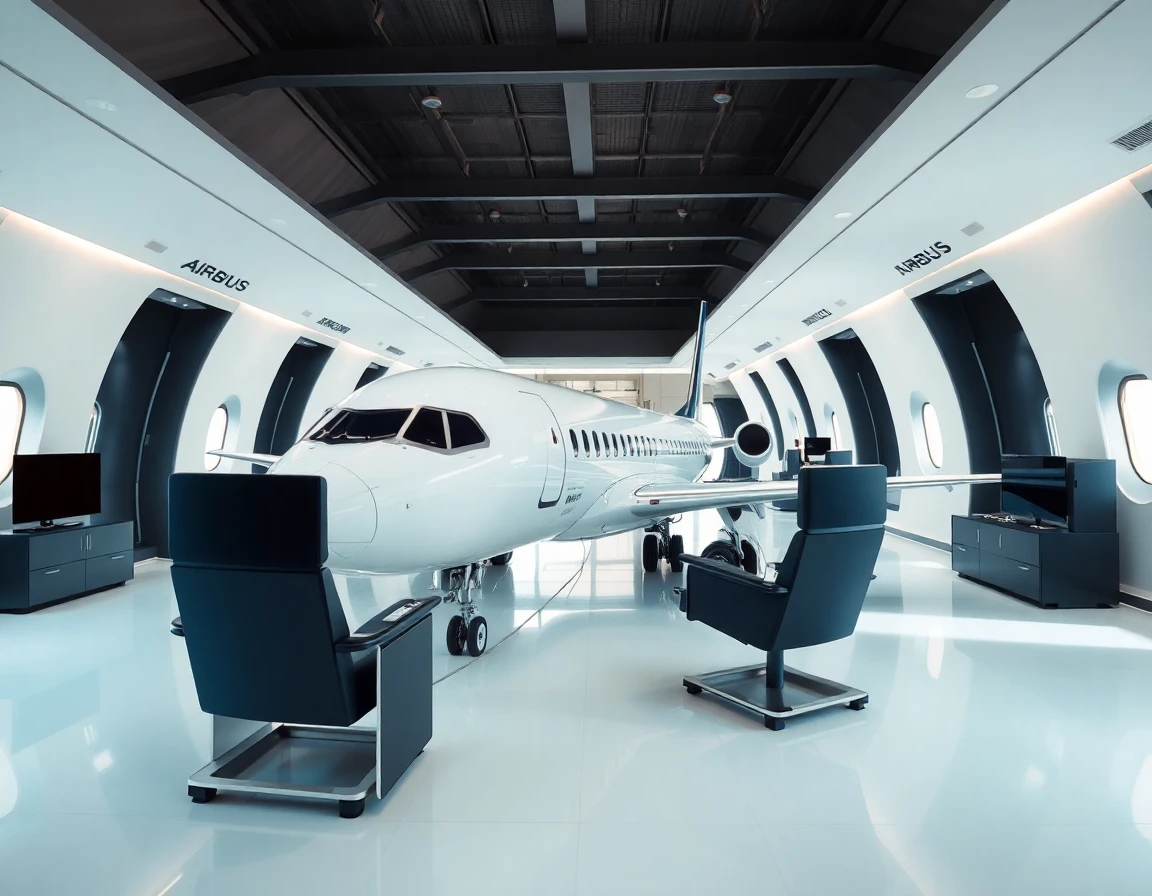
In a recent statement, Airbus CEO Guillaume Faury expressed his strong commitment to the integration of European space businesses, highlighting the strategic necessity for enhanced collaboration in the aerospace sector. This initiative aims to bolster Europe’s position in the global space industry, which is increasingly becoming a competitive arena dominated by players such as the United States and emerging nations.
The Vision for European Space Integration
Faury emphasized that the unification of European space businesses is not merely a strategic move but a necessity to foster innovation and ensure long-term sustainability. He mentioned, “To compete effectively on a global scale, Europe must leverage its collective strengths in space technologies and foster a collaborative environment among its leading aerospace companies.”
This commitment comes at a time when the global space landscape is evolving rapidly, with advancements in satellite technology, launch capabilities, and exploration missions. The integration of European space businesses could lead to more efficient resource allocation and streamlined operations, ultimately benefiting European stakeholders and international partners alike.
Enhancing Technological Capabilities
Airbus remains at the forefront of aerospace innovation, particularly in the realm of satellite technology. The company’s expertise in advanced inertial navigation systems and precision accelerometers are critical components for modern spacecraft, enhancing navigation accuracy and overall mission reliability.
Faury pointed out that combining resources and expertise from various European entities could lead to significant advancements in these areas. He stated, “By pooling our resources, we can accelerate the development of cutting-edge technologies that will define the future of space exploration and satellite communications.”
Current Landscape of European Space Industry
The European space sector has seen substantial growth over the past decade, driven by an increase in satellite launches and a rise in governmental and commercial investments. The European Space Agency (ESA) plays a pivotal role in this growth, enabling collaborative projects such as the Galileo satellite navigation system and the Copernicus Earth observation program.
However, to maintain this momentum, Faury believes that a cohesive approach is essential. He remarked, “The current landscape demands that we not only innovate but also work together to overcome challenges such as funding, technological gaps, and market competition.”
Potential Impacts of Integration
The potential integration of European space businesses could have far-reaching implications for the industry. Experts suggest that greater collaboration may lead to:
- Cost Reduction: By sharing resources and expertise, companies can reduce operational costs, making space ventures more economically viable.
- Increased Innovation: A collaborative environment fosters innovation as diverse teams bring unique perspectives and solutions to challenges.
- Enhanced International Competitiveness: A unified European space program could better position Europe against dominant players like SpaceX and Blue Origin.
Expert Insights on the Future of Space Integration
Industry experts are optimistic about the future of European space integration. Dr. Anna Petrov, a space policy analyst at the European Institute for Space Research, stated, “The commitment from Airbus to unify space businesses is a significant step forward. It signals a willingness to adapt in a rapidly changing global environment and could lead to breakthroughs in technologies that benefit not only Europe but the world.”
Looking Ahead: The Role of Airbus in Space Exploration
Airbus has been instrumental in various high-profile space missions, including the Mars Rover missions and the deployment of communication satellites. Their ongoing investment in thermal management systems is vital for ensuring the longevity and functionality of satellites in harsh space environments.
As Faury reiterated his commitment to integrating European space businesses, he concluded, “Airbus is dedicated to ensuring that Europe remains a key player in the global space industry. Our focus on collaboration will drive innovation, foster growth, and ultimately contribute to humanity’s exploration of space.”
Conclusion
The vision set forth by Airbus to unify European space businesses is a strategic move that could reshape the landscape of the aerospace industry. With a focus on collaboration, innovation, and technological advancement, Airbus is poised to lead Europe into a new era of space exploration and satellite technology. The future of European space efforts looks promising, and the commitment from industry leaders like Faury is essential for navigating the challenges that lie ahead.
References
-
Airbus Research - defensenews.com (defensenews.com)
-
Airbus Research - aviationweek.com (aviationweek.com)
-
Airbus Research - spacenews.com (spacenews.com)