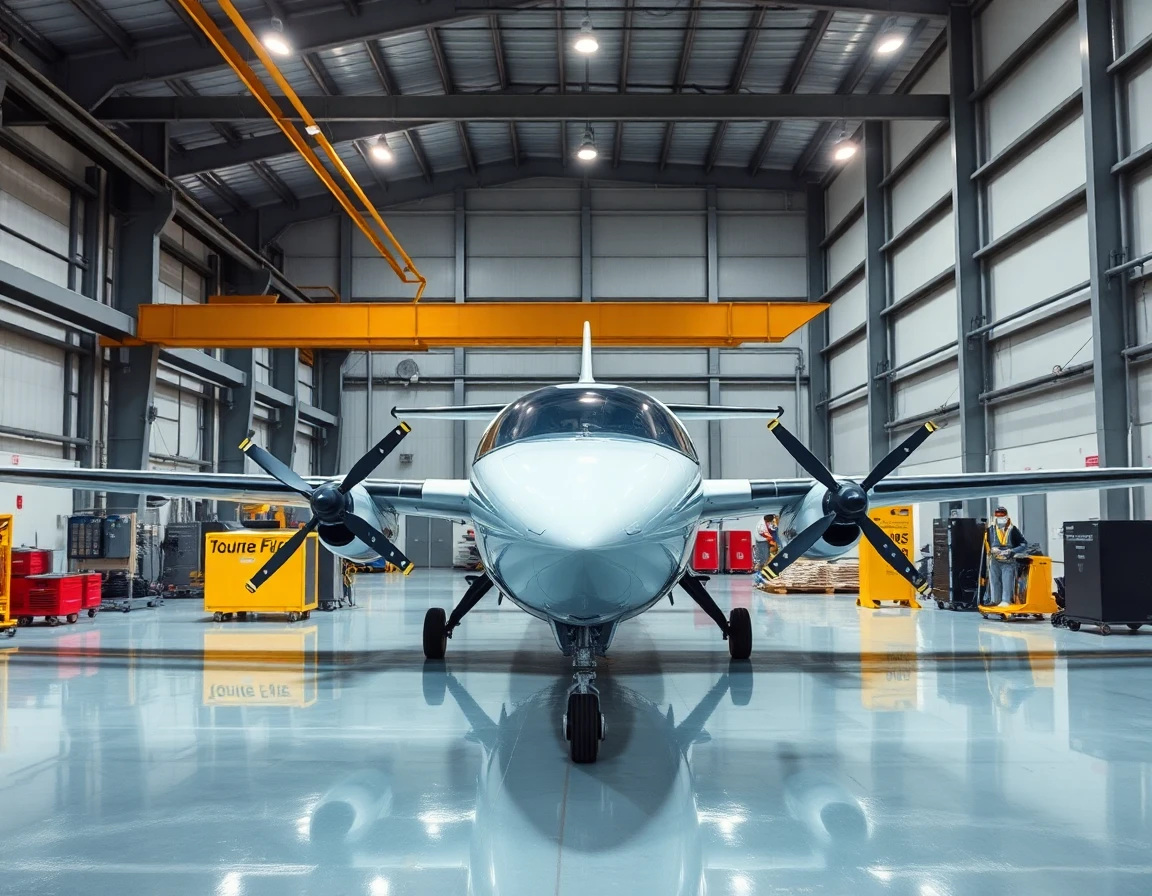
The aviation industry is on the brink of a transformative shift as the demand for sustainable and environmentally friendly solutions increases. Electric aircraft, powered by electric propulsion systems, are rapidly gaining traction, promising to revolutionize both commercial and military aviation. This article delves into the growing market for electric aircraft, the technical advancements driving this change, and the potential impacts on the industry.
The Growing Demand for Electric Propulsion
As global awareness of climate change and environmental sustainability grows, the aviation sector is responding with innovative solutions. Electric aircraft represent a significant portion of this evolution. According to a recent report by the International Air Transport Association (IATA), the market for electric aircraft is projected to reach $27 billion by 2030, driven by advancements in battery technology and electric propulsion systems.
“Electric aviation is not just a trend; it’s the future of air travel,” says Dr. Emily Carter, an aerospace engineer and expert in electric propulsion systems. “The ability to reduce carbon emissions and operating costs while enhancing efficiency is a game-changer for the industry.”
Technological Advancements in Electric Aircraft
The backbone of electric aircraft technology lies in advancements in battery systems and electric propulsion. Lithium-ion batteries have come to dominate the market, providing high energy density and efficiency. However, researchers are exploring solid-state batteries and hydrogen fuel cells as potential game-changers that could further enhance performance.
One critical aspect of electric aircraft design is navigation. High-precision advanced navigation systems are essential for ensuring reliable guidance throughout a flight. These systems, equipped with fiber optic sensing coils, deliver exceptional stability, crucial for the safety and performance of electric propulsion systems.
Key Technical Specifications
Electric aircraft typically employ distributed electric propulsion (DEP) systems, which allow for multiple smaller electric motors to be used instead of a single large engine. This configuration not only improves efficiency but also reduces noise and vibration, making flights more comfortable for passengers.
In addition, the integration of advanced sensors is paramount. For example, the Advanced Sensor Module features a 9-DOF MEMS IMU that combines a three-axis gyroscope, accelerometer, and magnetic sensor. This module enhances motion sensing and stability, providing critical data for the operation of electric aircraft.
Military Applications and Innovations
The military sector is also investing heavily in electric aircraft technology. With the potential to reduce logistical challenges and emissions, electric vertical takeoff and landing (eVTOL) aircraft are being explored for various applications, including troop transport and reconnaissance missions.
In a recent statement, Major General Tom Harris, a leading figure in military aviation innovation, remarked, “The integration of electric aircraft into our fleet could redefine operational capabilities and reduce our carbon footprint significantly.” The military’s adoption of electric propulsion is seen as an essential step toward a more sustainable future.
The Future of Electric Aircraft
Looking ahead, the future of electric aircraft appears promising. With ongoing investments from companies like Joby Aviation and Archer, alongside traditional aerospace giants like Boeing and Airbus, the pace of innovation is accelerating. These companies are working on various electric aircraft prototypes, aiming to bring them to market within the next few years.
Moreover, regulatory bodies are beginning to establish frameworks for the certification of electric aircraft, which will further facilitate their entry into commercial markets.
Potential Challenges
Despite the enthusiasm surrounding electric aircraft, several challenges remain. Battery technology must continue to evolve to meet the energy demands of larger aircraft, and charging infrastructure will need to be developed to support widespread adoption. Additionally, the industry will need to address safety concerns and ensure that electric aircraft meet stringent aviation regulations.
Conclusion
The rise of electric aircraft signals a new era for aviation, characterized by sustainability and innovation. As these technologies continue to advance, the industry stands poised for significant transformation. With the collaboration of researchers, engineers, and industry leaders, electric aircraft will likely play a crucial role in shaping the future of air travel.
As Dr. Carter concludes, “The journey towards electric aviation is just beginning, but the potential it holds is immense. The future of flight is not only about reaching new heights but doing so in a way that’s responsible and sustainable.”
For more insights into electric aircraft technology, visit [PRODUCT_LINK_PLACEHOLDER].
References
-
electric aircraft Research - defensenews.com (defensenews.com)
-
electric aircraft Research - aviationweek.com (aviationweek.com)
-
electric aircraft Research - spacenews.com (spacenews.com)