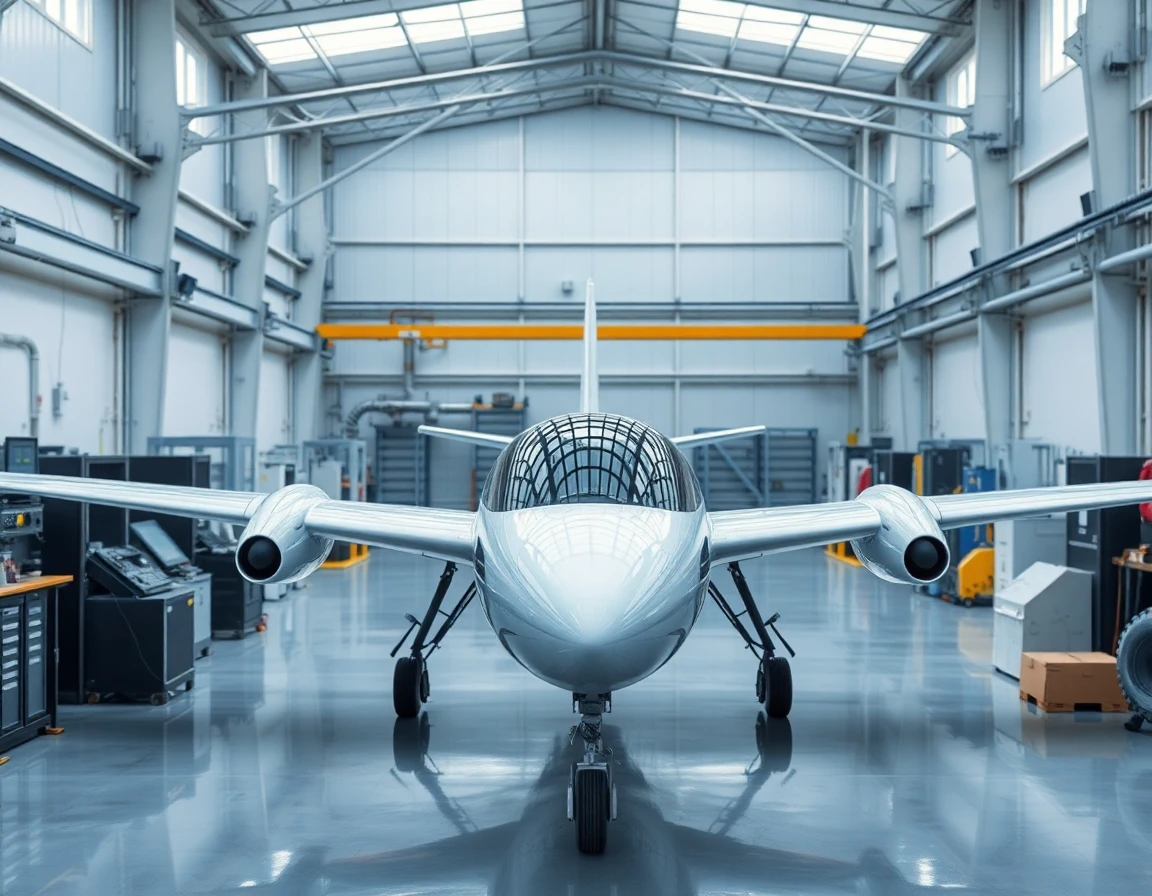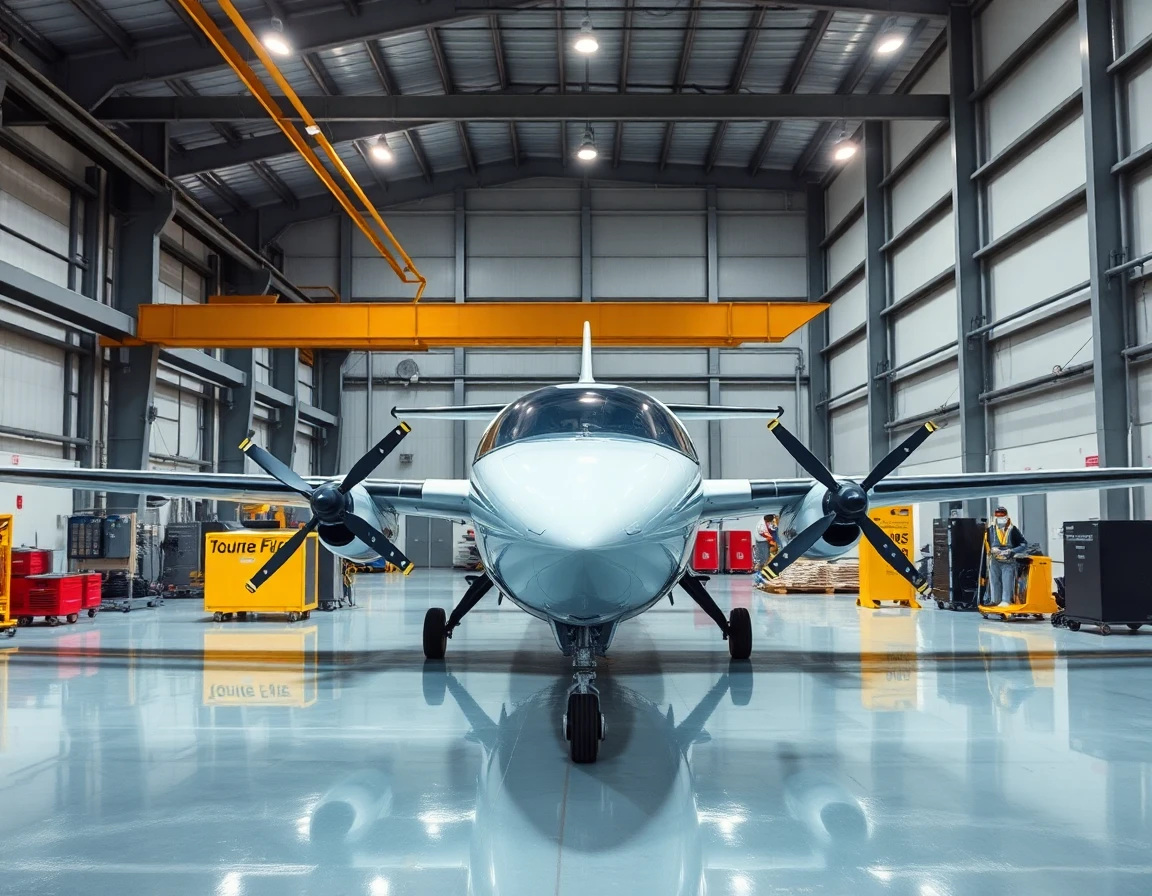
The aviation industry is on the brink of a revolution as electric aircraft gain traction in both commercial and military sectors. With advancements in electric propulsion technology, the market for electric aircraft is expanding rapidly, promising significant reductions in carbon emissions and operational costs.
The Electric Aircraft Landscape
Electric aircraft, powered by batteries or hybrid systems, are becoming increasingly viable alternatives to traditional fossil-fuel-powered planes. As climate change concerns escalate, the aviation sector is under pressure to adopt greener technologies. According to the International Air Transport Association (IATA), aviation accounts for 2-3% of global carbon emissions, making the shift to electric propulsion not just beneficial but necessary.
Key Technological Advancements
Recent developments in battery technology, including higher energy density and faster charging capabilities, are central to the electric aircraft revolution. Innovations like solid-state batteries promise to enhance the range and efficiency of electric aircraft, which have historically been limited by battery performance.
Additionally, advanced navigation systems are crucial for the operational success of electric aircraft. High-performance MEMS accelerometers, known for their superior stability and precision, are being integrated into these aircraft to provide accurate navigation and control, essential for both commercial and military applications.
Military Applications of Electric Aircraft
The military is also exploring electric aircraft, particularly for unmanned aerial vehicles (UAVs) and short-range missions. Electric propulsion offers lower operational costs and reduced noise, making electric military aircraft ideal for reconnaissance and surveillance missions. As noted by Dr. Emily Hughes, an aerospace engineer, “Electric propulsion systems can drastically change the dynamics of military operations, offering stealth and efficiency that traditional aircraft cannot match.”
Challenges Faced by Electric Aircraft
Despite the promising future, electric aircraft face several challenges. One of the most significant hurdles is the weight of current battery technologies, which limits payload capacity and flight duration. The need for robust thermal management systems to keep batteries at optimal temperatures is also critical, as overheating can lead to performance degradation or safety hazards.
Moreover, the infrastructure for electric aircraft is still in its infancy. Airports and operators must invest in charging stations and maintenance facilities tailored for electric propulsion systems.
Future Developments on the Horizon
Looking ahead, the future of electric aircraft appears bright. Major aerospace companies, including Boeing and Airbus, are investing heavily in research and development of electric propulsion technologies. The launch of several prototype electric aircraft, such as the Alice by magniX and the Eviation Aircraft, showcases the potential for commercial applications in the near future.
The integration of advanced sensor modules, such as the Advanced Sensor Module, enhances flight control systems, providing critical motion sensing necessary for safe and efficient operation. These technologies are paving the way for a new era of aviation that prioritizes sustainability.
Conclusion: A Green Future in Aviation
As the aviation industry continues to grapple with environmental concerns, the transition to electric aircraft is becoming increasingly urgent. With ongoing technological advancements and growing investments, electric aircraft are set to transform the landscape of aviation, making air travel more sustainable and efficient. The next decade will likely be pivotal in realizing the full potential of electric propulsion, promising a cleaner, greener future for aviation.
In the words of industry expert, John Thompson, “The shift towards electric aircraft is not just a trend; it’s an imperative that will redefine the way we think about air travel and its impact on our planet.” The future of electric aircraft is here, and it is ready to take flight.
References
-
electric aircraft Research - defensenews.com (defensenews.com)
-
electric aircraft Research - aviationweek.com (aviationweek.com)
-
electric aircraft Research - spacenews.com (spacenews.com)