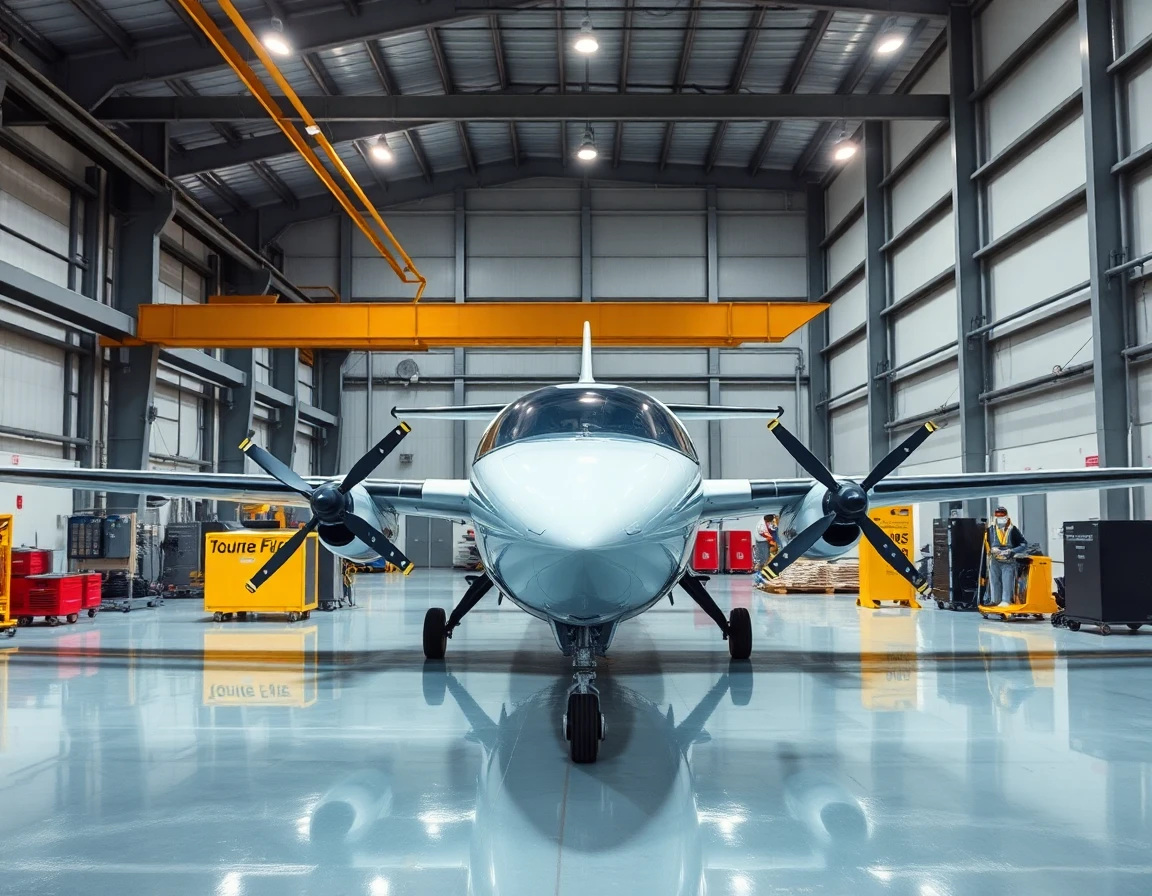
The aviation industry is witnessing a transformative shift as electric aircraft gain traction in both commercial and military sectors. This transition towards electric propulsion not only promises to enhance sustainability but also aims to reduce operating costs and increase efficiency. With major investments and technological innovations emerging, electric aircraft are set to redefine the future of flight.
Understanding Electric Aircraft
Electric aircraft are powered by electric propulsion systems, which utilize electricity stored in batteries or generated through alternative means, such as fuel cells. Unlike traditional aircraft that rely on fossil fuels, electric planes offer a cleaner alternative that aligns with global sustainability goals. The recent surge in interest can be attributed to advancements in battery technology, electric motors, and energy management systems.
Key Technical Advancements
One of the most significant advancements in the electric aircraft sector is in battery technology. Modern lithium-ion batteries are becoming more efficient, with higher energy densities, allowing for longer flight ranges and reduced weight. Additionally, the development of advanced sensor modules integrating 9-DOF MEMS IMUs (Inertial Measurement Units) enhances motion sensing capabilities, crucial for the unique flight dynamics of electric aircraft.
Market Dynamics and Growth Potential
According to a report by MarketsandMarkets, the global electric aircraft market is expected to reach $1.9 billion by 2030, growing at a CAGR of 15.5% from 2023 to 2030. This growth is driven by several factors:
- Regulatory Support: Governments worldwide are introducing regulations and incentives to promote the development of greener aviation technologies.
- Technological Advancements: Continuous improvements in propulsion systems, such as electric motors and thermal management systems, are increasing the feasibility of electric aircraft.
- Sustainability Initiatives: Airlines are under increasing pressure to reduce their carbon footprints, pushing them to explore electric options.
Military Applications of Electric Aircraft
Electric aircraft are not just limited to commercial aviation; military applications are also gaining momentum. The U.S. Air Force and other defense organizations are exploring electric propulsion for unmanned aerial vehicles (UAVs) and potentially piloted aircraft. The advantages include reduced noise, lower operational costs, and the ability to conduct missions in environmentally sensitive areas without disturbing wildlife.
Expert Insights
Dr. Emily Carter, an aerospace engineer and advocate for electric propulsion, stated, “The shift towards electric aircraft is not just about reducing emissions; it’s about redefining how we approach aviation. With advancements in inertial navigation systems, we can achieve unprecedented levels of precision and safety in flight operations.”
Challenges Ahead
Despite the promising outlook, the electric aircraft sector faces several challenges. Battery weight remains a significant hurdle, as current technologies still struggle to match the energy density of conventional aviation fuels. Furthermore, the infrastructure for charging electric aircraft is limited, requiring significant investment in airport facilities and charging stations.
Future Developments
Looking ahead, the development of hybrid-electric systems may bridge the gap between traditional and fully electric aircraft. By combining conventional engines with electric propulsion, manufacturers can enhance range and performance while gradually transitioning to more sustainable practices.
As the market continues to evolve, partnerships between aircraft manufacturers, technology developers, and regulatory bodies will be crucial in overcoming challenges. Innovations in electric aircraft are expected to lead to a new era of aviation that prioritizes efficiency and sustainability.
Conclusion
The electric aircraft market is on the cusp of a significant transformation, driven by technological advances and a growing commitment to sustainability. As companies invest in research and development, and as regulatory frameworks evolve to support these innovations, the aviation industry is likely to see a shift that could redefine air travel for generations to come. With products like advanced navigation systems enhancing flight safety and efficiency, the future of electric aircraft appears bright and ready for takeoff.
References
-
electric aircraft Research - defensenews.com (defensenews.com)
-
electric aircraft Research - aviationweek.com (aviationweek.com)
-
electric aircraft Research - spacenews.com (spacenews.com)