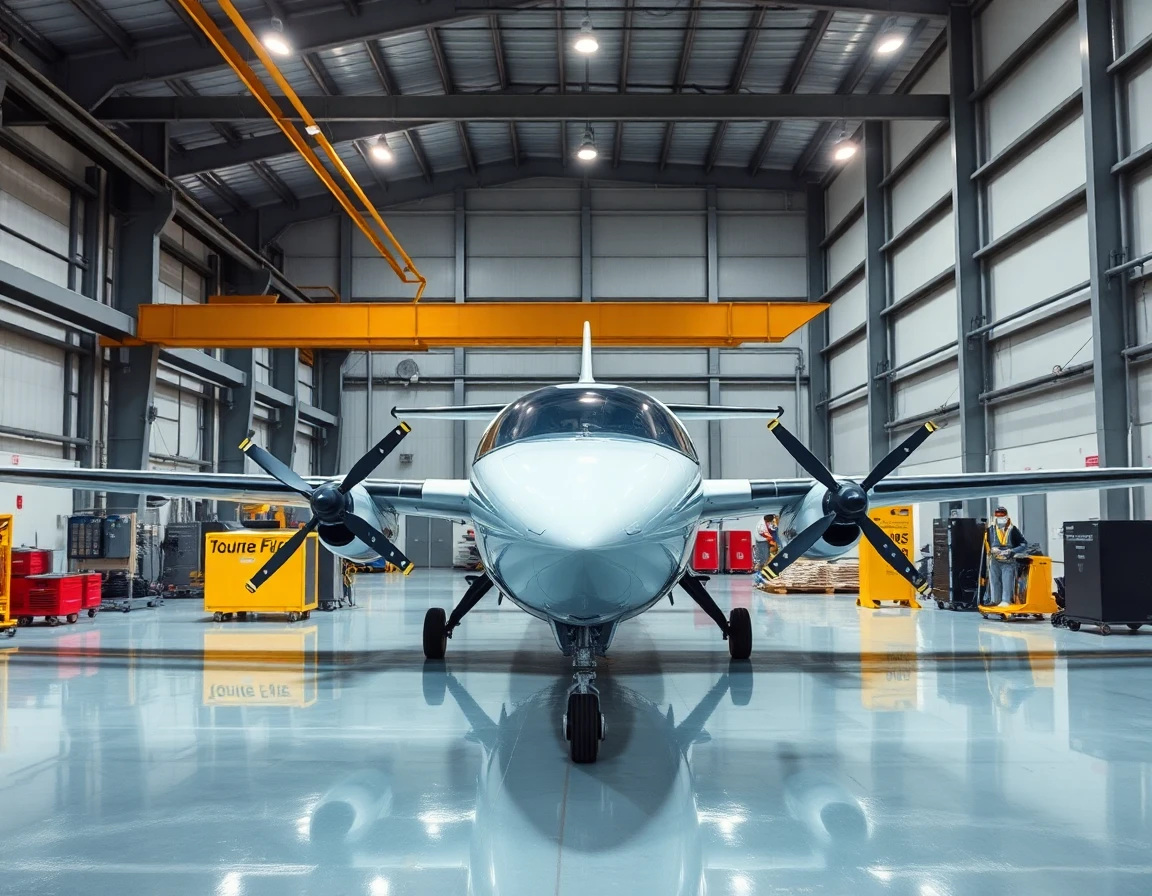
The aerospace industry is on the brink of a revolution with the increasing adoption of electric aircraft. This shift not only promises enhanced environmental sustainability but also aims to reshape the future of air travel. As innovations in electric propulsion technologies gain momentum, both commercial and military sectors are beginning to invest significantly in this burgeoning market.
Understanding Electric Aircraft
Electric aircraft utilize electric propulsion systems, which can significantly reduce carbon emissions compared to traditional jet fuel-powered aircraft. These systems typically rely on batteries or hybrid configurations that combine electric and conventional fuel systems. The push towards electric aircraft is driven by the urgent need to reduce greenhouse gas emissions and to comply with increasingly stringent regulatory frameworks aimed at combating climate change.
Market Growth and Industry Insights
According to a recent report by the International Air Transport Association (IATA), the electric aircraft market is expected to grow at a compound annual growth rate (CAGR) of over 20% in the next decade. This surge is fueled by advancements in battery technology, improvements in energy density, and the development of efficient electric motors.
A prime example is the work being done by companies like Ampaire and magniX, which are pioneering hybrid-electric propulsion systems designed to enhance the range and efficiency of regional flights.
Military Applications of Electric Propulsion
The military sector is also taking note of the potential benefits of electric aircraft. With the rising costs of fuel and the need for quieter, more efficient aircraft, defense organizations are exploring electric propulsion for unmanned aerial vehicles (UAVs) and advanced combat aircraft. Electric propulsion can offer enhanced stealth capabilities, which is a critical factor in modern military operations.
General Dynamics recently announced its investment in electric propulsion research, emphasizing that “shifting to electric flight can significantly enhance operational effectiveness while reducing logistical footprints.” This statement underscores the strategic advantages electric aircraft can provide in military scenarios.
Technical Advancements Driving Electric Aircraft
A defining characteristic of electric aircraft is their reliance on sophisticated systems that ensure flight safety and performance. The integration of high-precision accelerometers in electric aircraft is crucial for improving flight dynamics and stability. These advanced sensors enhance the control systems, allowing for precise maneuverability and reliable performance in varying flight conditions.
Additionally, advancements in thermal management systems are essential as they help maintain optimal operating temperatures for electric motor components, ensuring longevity and efficiency. As electric aircraft technology continues to evolve, the integration of these systems will be pivotal in addressing challenges such as battery overheating and system reliability.
Future Developments: What Lies Ahead?
As the market for electric aircraft grows, manufacturers are also exploring next-generation technologies, including autonomous flight systems and advanced battery chemistries. Research into solid-state batteries, which promise higher energy densities and faster charging times, could further revolutionize the electric aviation landscape.
The European Union is investing heavily in the Electric and Hybrid Aircraft Technology (EHAT) initiative, aiming to develop a fleet of electric aircraft by 2035. This program highlights the global commitment to sustainable aviation and the role that electric propulsion will play in achieving net-zero emissions in air travel.
Conclusion: A New Era in Aviation
The shift towards electric aircraft is more than just a trend; it represents a necessity in an age where climate change is a pressing global issue. With continuous advancements in technology and increasing investment from both commercial and military sectors, the future of aviation is set to change dramatically. As experts in the field suggest, “the transition to electric aircraft will not only help in reducing our carbon footprint but also pave the way for more efficient and adaptable air travel solutions.”
As this market expands, the integration of robust technologies such as advanced navigation systems will be vital in ensuring the operational success of electric aircraft, allowing them to safely navigate the complexities of modern airspace. The future of flight is electric, and the industry is poised for an exciting transformation.
References
-
electric aircraft Research - defensenews.com (defensenews.com)
-
electric aircraft Research - aviationweek.com (aviationweek.com)
-
electric aircraft Research - spacenews.com (spacenews.com)