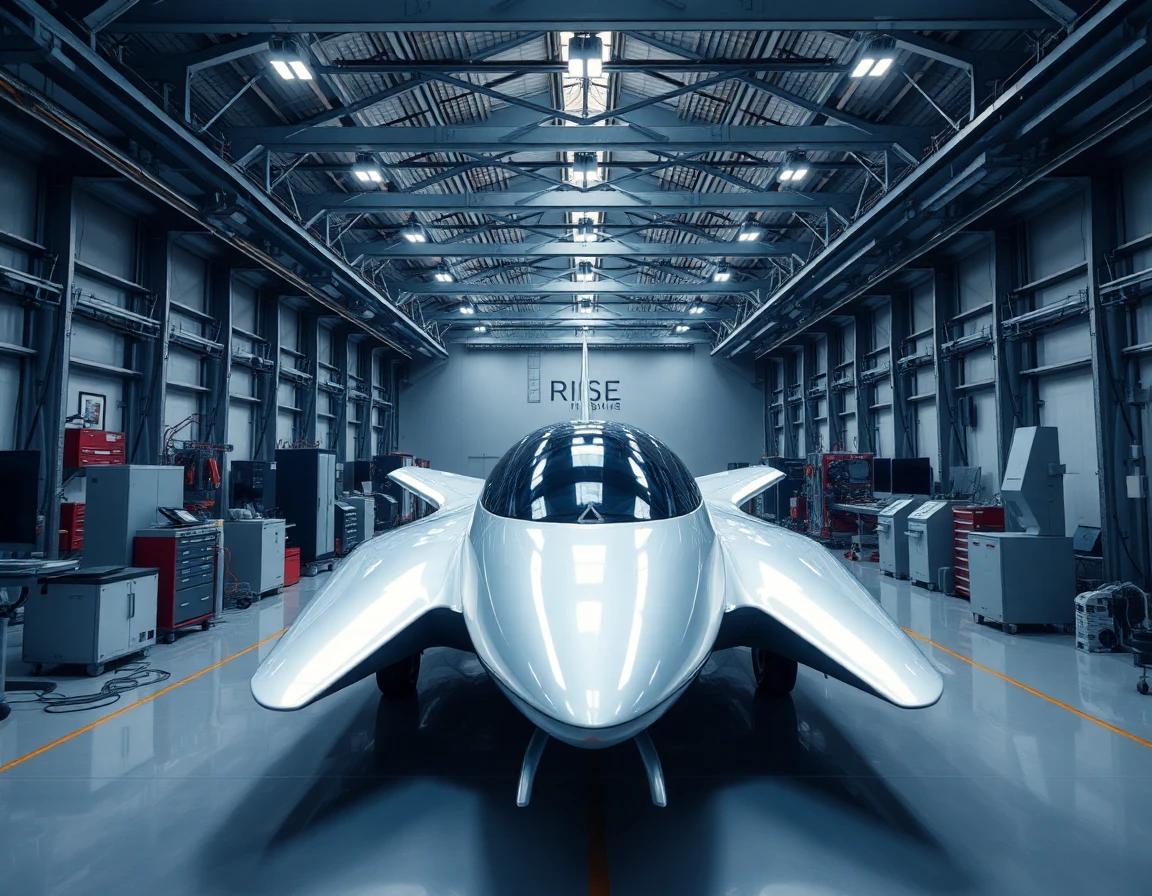
The aerospace and defense industry is witnessing a pivotal transformation with the advent of hypersonic technology. Defined as flight at speeds exceeding Mach 5, hypersonic vehicles offer unprecedented capabilities in terms of speed and maneuverability, reshaping modern military strategies. This article delves into the latest developments in hypersonic technology, its integration into defense systems, and the potential impact on global security.
Understanding Hypersonic Technology
Hypersonic technology encompasses both hypersonic glide vehicles (HGVs) and hypersonic cruise missiles (HCMs). Unlike traditional ballistic missiles, which follow a predictable parabolic trajectory, hypersonic vehicles can traverse the atmosphere at sustained speeds while maintaining the ability to maneuver. This unique characteristic poses significant challenges for existing defense systems, particularly in terms of detection and interception.
Technical Specifications and Innovations
Recent advancements in hypersonic technology have led to the development of advanced propulsion systems, thermal management systems, and navigation technologies. For instance, cutting-edge inertial navigation systems play a crucial role in ensuring precise guidance for hypersonic vehicles, enabling them to navigate complex trajectories at extreme speeds. These systems utilize a combination of precision accelerometers and gyroscopic instruments to maintain stability and control during flight.
According to Dr. Susan Mitchell, a leading aerospace engineer at the Defense Advanced Research Projects Agency (DARPA), “The integration of advanced inertial navigation systems is vital for the successful operation of hypersonic technology. Their ability to provide real-time data on orientation and speed is unmatched.”
Key Players in the Hypersonic Race
Countries like the United States, Russia, and China are at the forefront of hypersonic technology development. The U.S. Department of Defense has invested heavily in various programs aimed at advancing hypersonic capabilities, highlighting the urgency of this technological race. Notable projects include the Air Force’s AGM-183A Air-launched Rapid Response Weapon (ARRW) and the Navy’s Conventional Prompt Strike (CPS) program.
Russia has also made significant strides with its Avangard hypersonic glide vehicle, which reportedly can reach speeds of Mach 27 and is capable of evading missile defenses. Similarly, China’s DF-17 missile has demonstrated hypersonic capabilities, raising concerns among military analysts regarding regional security dynamics.
The Integration of Hypersonic Technology into Defense Systems
The integration of hypersonic technology into existing defense systems is a complex challenge. Traditional radar systems, designed to detect slower-moving threats, must be upgraded to track and intercept hypersonic missiles. Advanced radar capabilities that can operate in real-time are essential to countering these fast-moving threats.
“Current radar systems will struggle to detect hypersonic vehicles due to their speed and maneuverability. New radar technologies must be developed to enhance detection capabilities and improve response times,” states Colonel James Thompson, a defense strategist at the U.S. Army War College.
Future Implications and Developments
The implications of hypersonic technology extend beyond military capabilities. Nations investing in this technology could gain strategic advantages in geopolitical scenarios, altering the balance of power. Furthermore, as hypersonic technology matures, its applications may expand into commercial sectors, including aerospace travel and rapid global transportation.
As researchers and engineers continue to innovate, the future of hypersonic technology looks promising yet complex. The main challenge will be ensuring that the necessary infrastructure, including thermal management systems and advanced navigational aids, is in place to support these high-speed vehicles.
Conclusion
In conclusion, hypersonic technology represents a significant leap forward in defense capabilities, presenting both opportunities and challenges. As nations race to harness these advancements, the landscape of global security will inevitably shift. The ongoing developments in hypersonic vehicles, alongside the need for enhanced radar and navigation systems, underscore the importance of continued investment in this critical area of aerospace and defense.
The journey towards mastering hypersonic technology is just beginning, and its full impact remains to be seen. With the right innovations and strategic foresight, the future of hypersonic applications appears both thrilling and fraught with challenges.