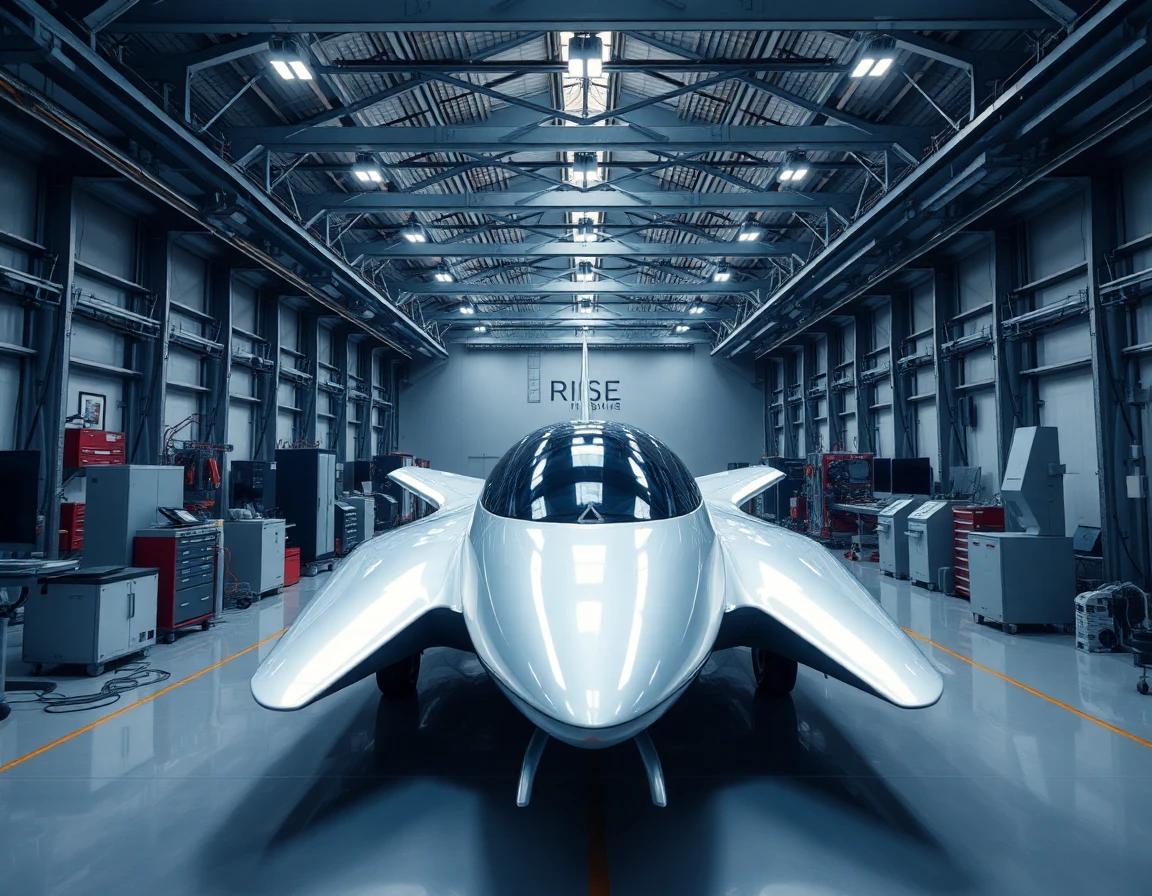
In recent years, hypersonic technology has emerged as a crucial element in the evolution of defense systems, promising unprecedented speed and maneuverability. As geopolitical tensions rise, nations are racing to develop hypersonic capabilities that can outpace traditional missile defense systems. This article delves into the latest advancements in hypersonic technology, its integration into military applications, and the implications for global security.
Understanding Hypersonic Technology
Hypersonic technology refers to vehicles and weapons that travel at speeds greater than Mach 5, or five times the speed of sound. This capability allows for rapid strikes and enhances the ability to evade current missile defense systems. Hypersonic vehicles can glide through the atmosphere at these extreme speeds, making them difficult to detect and intercept.
Key Components of Hypersonic Systems
Developing effective hypersonic technology requires a combination of advanced materials, thermal management systems, and sophisticated guidance mechanisms. Notably, high-performance inertial navigation systems are essential for ensuring precise trajectory control in these fast-moving platforms. Experts suggest that advancements in these systems will significantly enhance the effectiveness of hypersonic missiles and vehicles.
According to Dr. Emily Chen, an aerospace engineer specializing in hypersonics, “The integration of advanced sensors and navigation systems is critical. Without them, hypersonic vehicles would struggle to maintain accuracy and stability at such high speeds.”
Recent Developments in Hypersonic Technology
Several nations, including the United States, Russia, and China, are actively developing hypersonic capabilities. The U.S. Department of Defense has accelerated its hypersonic program, investing heavily in research and development to maintain its technological edge. Recent tests have demonstrated the effectiveness of various hypersonic prototypes, showcasing their ability to travel long distances while maintaining precision guidance.
Applications in Modern Defense Systems
Hypersonic technology is not limited to offensive capabilities; it also plays a vital role in defensive operations. The integration of hypersonic systems into existing radar frameworks enhances the detection and tracking of incoming threats. Advanced radar systems are being upgraded to accommodate the unique challenges posed by hypersonic speeds, ensuring that defense mechanisms can respond effectively.
Furthermore, the development of advanced precision accelerometers is aiding in the navigation of hypersonic vehicles, allowing for real-time adjustments during flight. These accelerometers provide critical data about the vehicle’s position and speed, enabling precise maneuvering and targeting.
The Future of Hypersonic Technology
As nations continue to invest in hypersonic research, the implications for global security are profound. Experts warn that the proliferation of hypersonic weapons could destabilize existing power structures and lead to an arms race. The ability of these weapons to bypass traditional defense systems presents a significant challenge for military strategists.
“Hypersonic technology could redefine the rules of engagement,” says retired General Mark Thompson. “Countries will need to rethink their defensive strategies to counter the unique threats posed by hypersonic missiles.”
Conclusion
Hypersonic technology stands at the forefront of modern defense innovation, with its potential to revolutionize military operations. As advancements continue, the focus will shift toward integrating these systems into existing military frameworks while addressing the associated security challenges. The race for hypersonic superiority is not just about speed; it is about maintaining a strategic edge in an increasingly complex global landscape.
In this context, the development of advanced sensor technologies, such as advanced sensor modules, will play a crucial role in ensuring that hypersonic systems are both effective and reliable. As the world watches, the future of hypersonic technology will undoubtedly shape the dynamics of international security.
References
-
hypersonic technology Research - defensenews.com (defensenews.com)
-
hypersonic technology Research - aviationweek.com (aviationweek.com)
-
hypersonic technology Research - spacenews.com (spacenews.com)