In recent years, the landscape of defense technology has evolved dramatically, with European drone technology investments becoming a focal point for national security strategies. As geopolitical tensions rise and threats to national security become more complex, European nations are ramping up their investments in drone capabilities, reflecting a broader trend of modernization within the military sector.
The Current State of Drone Technology in Europe
Historically, Europe has been perceived as lagging behind the United States and China in drone technology. However, recent developments indicate a shift in this narrative. According to a report by the European Defence Agency, investments in drone technology across the continent increased by 25% in 2022 alone. This surge is driven by a combination of rising defense budgets and a growing recognition of the strategic advantages that advanced drone systems provide.
Key Partnerships Driving Innovation
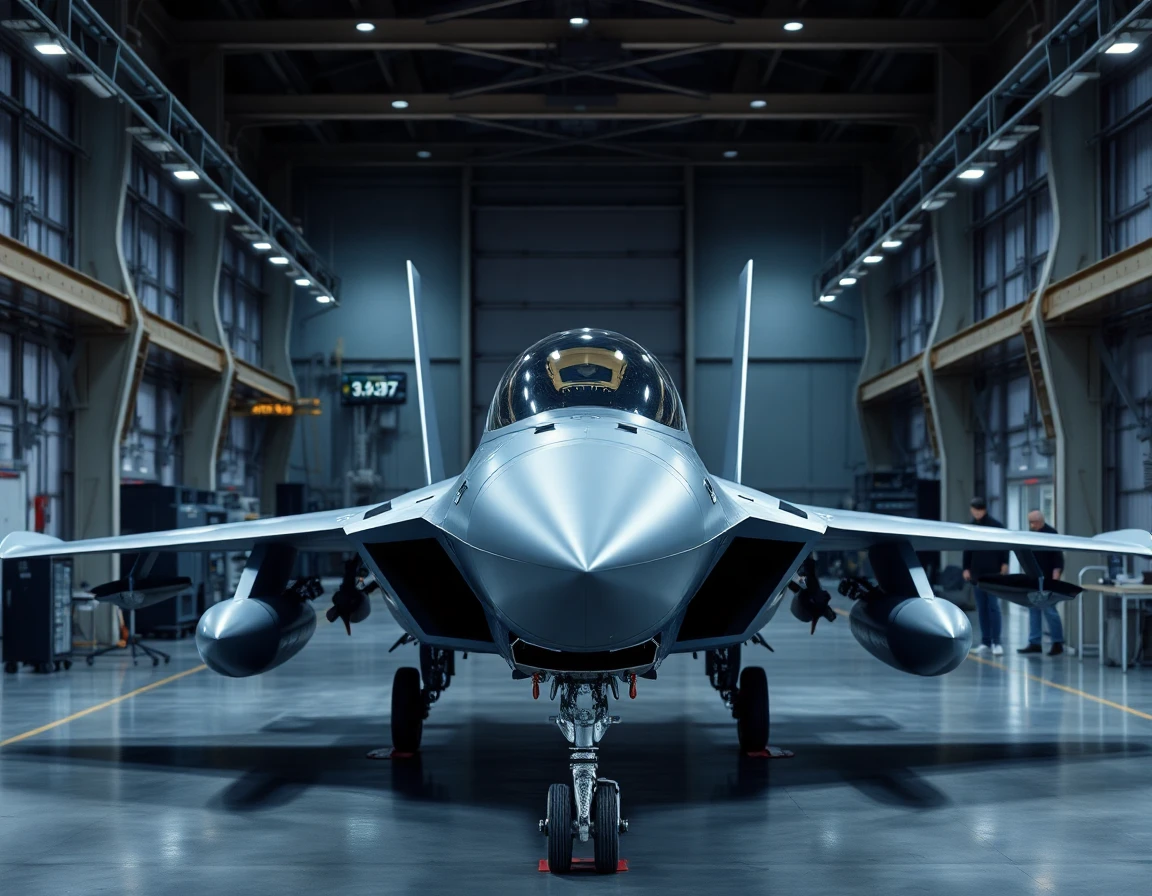
Significant partnerships between leading defense companies have emerged as a primary catalyst for these investments. Notable collaborations include the joint venture between Airbus and Thales, aimed at developing next-generation unmanned aerial vehicles (UAVs) equipped with advanced radar-systems and hypersonic-systems technology. These systems will enhance surveillance capabilities and improve response times to emerging threats.
“The collaboration between established defense contractors and innovative startups is essential for Europe to catch up in drone technology,” says Dr. Elena Fischer, a defense analyst at the European Security Research Institute. “By pooling resources and expertise, we can accelerate the development of sophisticated drone systems that meet modern security demands.”
Technical Specifications and Innovations
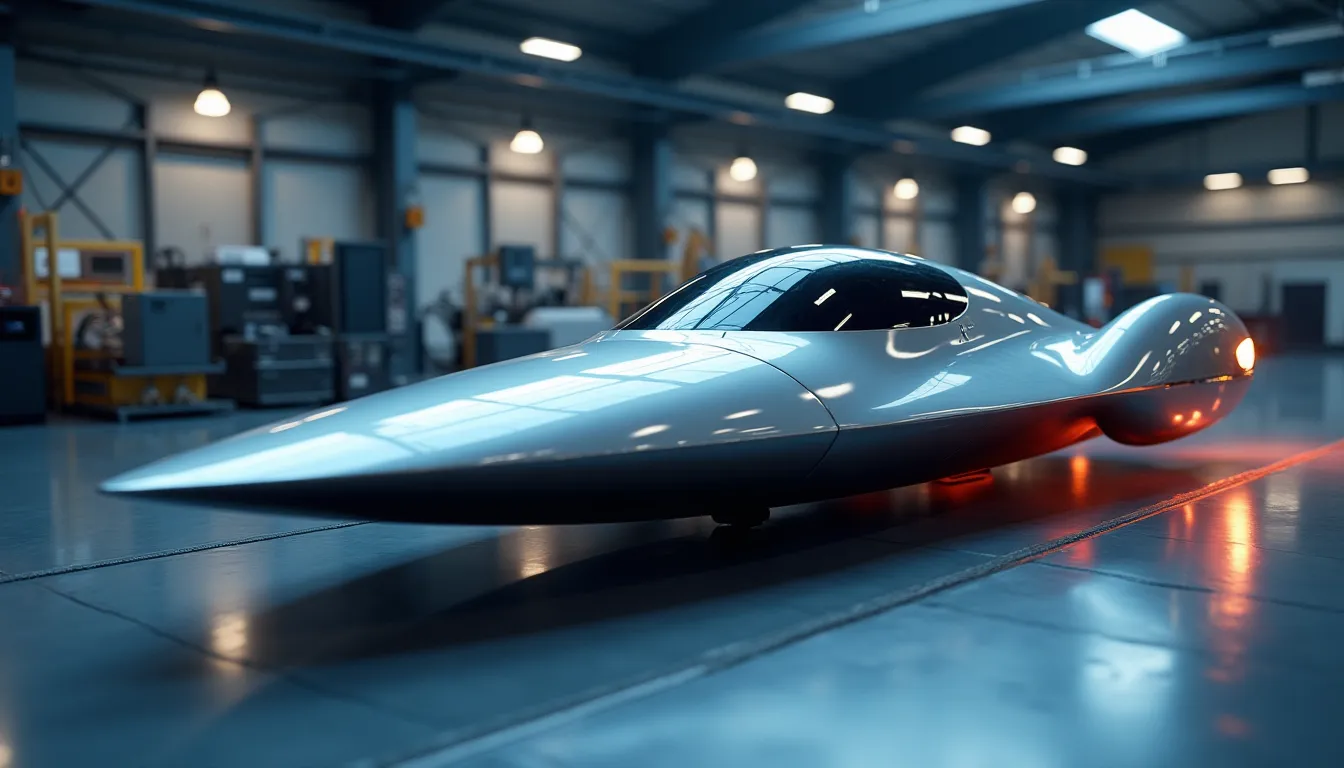
European drone technology investments are not just about increasing the number of UAVs. There is a strong emphasis on enhancing the capabilities of these systems. For instance, the integration of hypersonic-systems is set to revolutionize drone speed and maneuverability, allowing for rapid deployment in critical situations. Moreover, advanced radar-systems are being developed to improve target detection and tracking, enabling drones to operate effectively in contested environments.
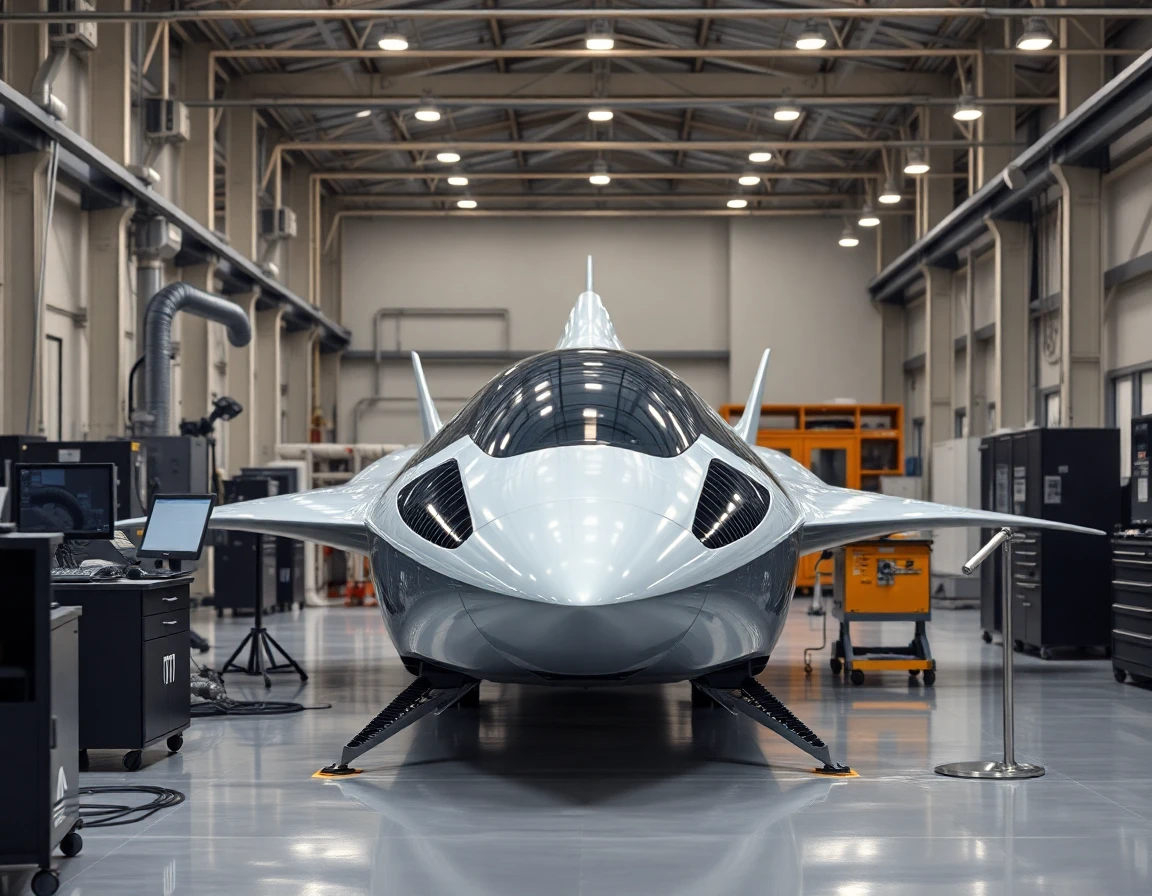
The Eurodrone program, a collaborative effort involving Germany, France, Italy, and Spain, exemplifies this trend. The program aims to develop a medium-altitude long-endurance drone that can operate in all-weather conditions, featuring cutting-edge sensors and artificial intelligence capabilities. This drone is expected to be operational by 2025, marking a significant milestone in European defense capabilities.
The Impact of Increased Drone Investments
The implications of increased European drone technology investments extend beyond military applications. Enhanced drone capabilities can also contribute to humanitarian missions, disaster response, and surveillance of natural resources. As European nations focus on these dual-use applications, the potential for drones to support civil security operations becomes increasingly evident.
Moreover, the integration of drones into existing military frameworks can streamline operations and reduce costs. Drones can provide real-time intelligence, surveillance, and reconnaissance (ISR) data, allowing military personnel to make informed decisions more quickly and effectively.
Expert Perspectives on Future Developments
Looking ahead, experts believe that the future of European drone technology will be characterized by increased autonomy and artificial intelligence integration. “The next generation of drones will likely feature advanced AI algorithms that allow them to operate independently, making real-time decisions based on the evolving battlefield environment,” explains Dr. Marcus Lang, a leading researcher in drone technology at the Institute of Aerospace Studies.
This shift towards autonomous systems raises important questions about ethics and accountability in military operations. As drones take on more responsibilities, the need for robust regulatory frameworks will become paramount to ensure responsible use.
Conclusion: A Transformative Era for European Defense
As European drone technology investments continue to rise, the continent is poised to transform its defense landscape significantly. With strategic partnerships and innovative technologies like hypersonic-systems and radar-systems leading the charge, Europe is not only enhancing its military capabilities but also positioning itself as a key player in the global defense market.
The commitment to developing advanced drone systems reflects a broader recognition of the importance of technological superiority in ensuring national security. As these investments bear fruit, the impact will resonate across various sectors, ultimately shaping the future of defense and security in Europe.
In the coming years, it will be crucial for European nations to maintain momentum in their drone technology investments, ensuring they remain at the forefront of innovation in a rapidly evolving global landscape.