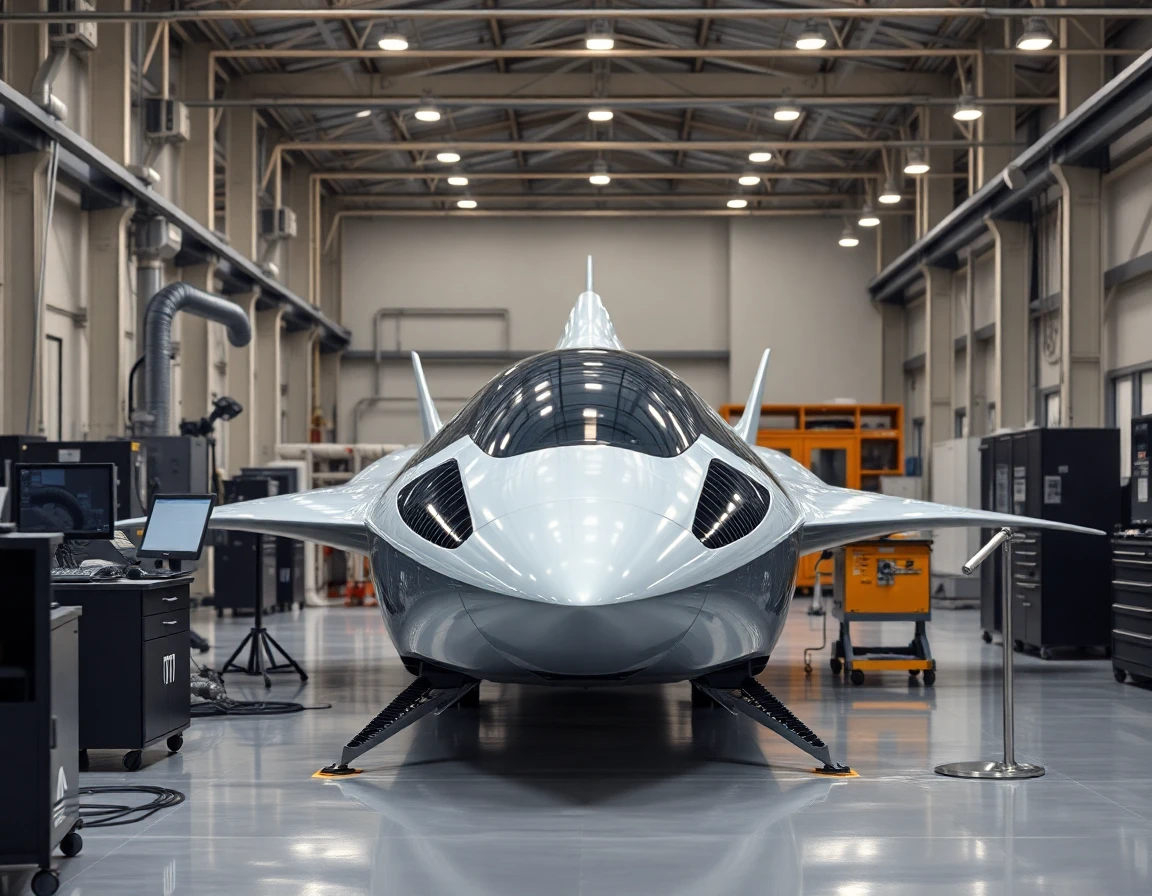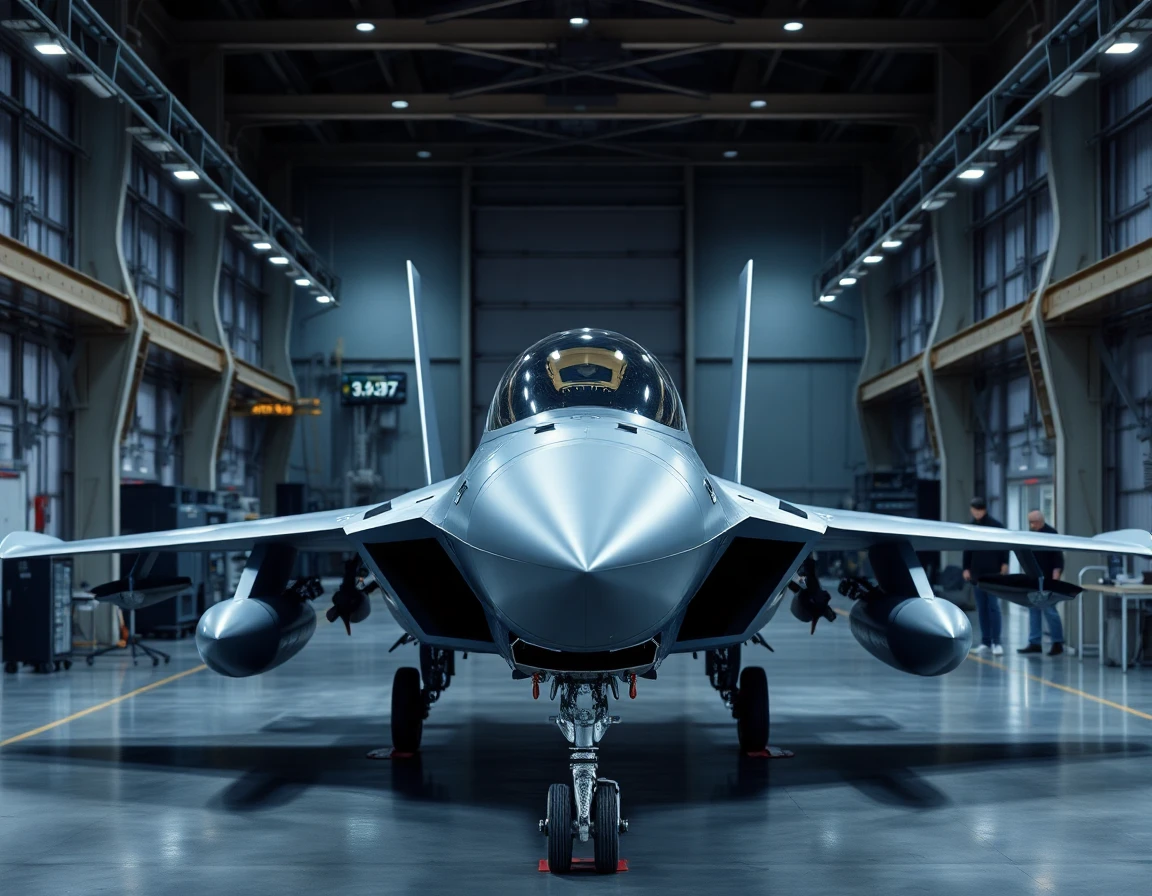
The European Defense Agency (EDA) has officially approved significant funding aimed at developing a next-generation fighter jet (NGFJ), a move that underscores the EU’s commitment to bolstering its defense capabilities in a rapidly changing global security landscape. This initiative is expected to revolutionize aerial combat capabilities within Europe and enhance collaborative defense efforts among member states.
A Strategic Necessity for Modern Warfare
In light of rising geopolitical tensions and the increasing sophistication of adversarial military technologies, the need for advanced fighter aircraft has never been more pressing. Traditional air combat strategies are being challenged by the emergence of hypersonic systems and advanced unmanned aerial vehicles (UAVs). The new NGFJ will integrate cutting-edge technologies, including enhanced radar-systems that are crucial for situational awareness and accuracy in combat scenarios.
According to defense analyst Dr. Maria Hall, “The development of a next-gen fighter jet represents a pivotal shift in European defense strategy. With adversaries investing heavily in advanced aerial platforms, it is essential for the EU to maintain a competitive edge.”
Technical Specifications and Innovations
The next-gen fighter jet is expected to feature a range of innovative specifications that prioritize stealth, speed, and versatility. Key features will likely include:
- Supercruise Capability: Enabling sustained supersonic flight without afterburners, enhancing fuel efficiency and operational range.
- Advanced Avionics: Leveraging AI-driven systems for data fusion and enhanced decision-making in aerial combat.
- Modular Design: Allowing for rapid upgrades and integration of new technologies, including hypersonic weapon systems and advanced missile defense capabilities.
The integration of advanced radar-systems will play a crucial role in the NGFJ’s operational effectiveness. These systems will allow for comprehensive situational awareness, enabling pilots to detect and engage threats at unprecedented ranges.
Industry Context: Collaborations and Competitions
The funding approval comes amid ongoing discussions among EU member states about collaborative defense projects. The NGFJ initiative is likely to build upon existing projects, such as the Future Combat Air System (FCAS) involving France, Germany, and Spain, which aims to create a family of systems that includes both crewed and uncrewed platforms.
Defense contractor Airbus has already expressed interest in leading the consortium for developing the NGFJ, emphasizing the need for a unified European defense approach. Airbus CEO, Thomas Enders, stated, “The next-gen fighter jet will not only enhance our military capabilities but also serve as a catalyst for technological innovation across the aerospace sector.”
The Impact of Hypersonic Systems
As adversaries begin to deploy hypersonic weapons that can travel at speeds greater than Mach 5, the NGFJ will need to incorporate counter-hypersonic technologies. The integration of hypersonic systems into the NGFJ’s arsenal is essential for maintaining air superiority and deterring potential threats. Experts suggest that incorporating hypersonic missile capabilities will allow the NGFJ to engage targets at distances previously deemed unreachable.
Dr. Alex Renshaw, a military technology expert, remarked, “The next-gen fighter jet represents not just a response to current threats but a proactive measure against future challenges. Hypersonic systems are game-changers, and our fighter jets must be equipped to counter or even harness that technology.”
Future Developments and Implications
The implications of developing a next-gen fighter jet extend beyond military applications. The project is expected to stimulate economic growth within Europe’s aerospace sector, creating thousands of jobs and fostering innovation in related fields. Additionally, the collaboration among EU member states could strengthen political ties and enhance collective security.
As the project progresses, there will be a focus on ensuring interoperability among allied forces, particularly with NATO partners, who share similar defense interests. The NGFJ is poised to not only be a symbol of European military prowess but also a platform for international cooperation in defense technology.
In conclusion, the European Defense Agency’s funding for the next-gen fighter jet marks a significant step toward modernizing the EU’s military capabilities. With advancements in hypersonic systems and radar-systems integrated into its design, the NGFJ will play a crucial role in ensuring the security and sovereignty of Europe in the 21st century. As this project develops, all eyes will be on the collaborative efforts of member states and the innovations that emerge in the aerospace and defense sectors.