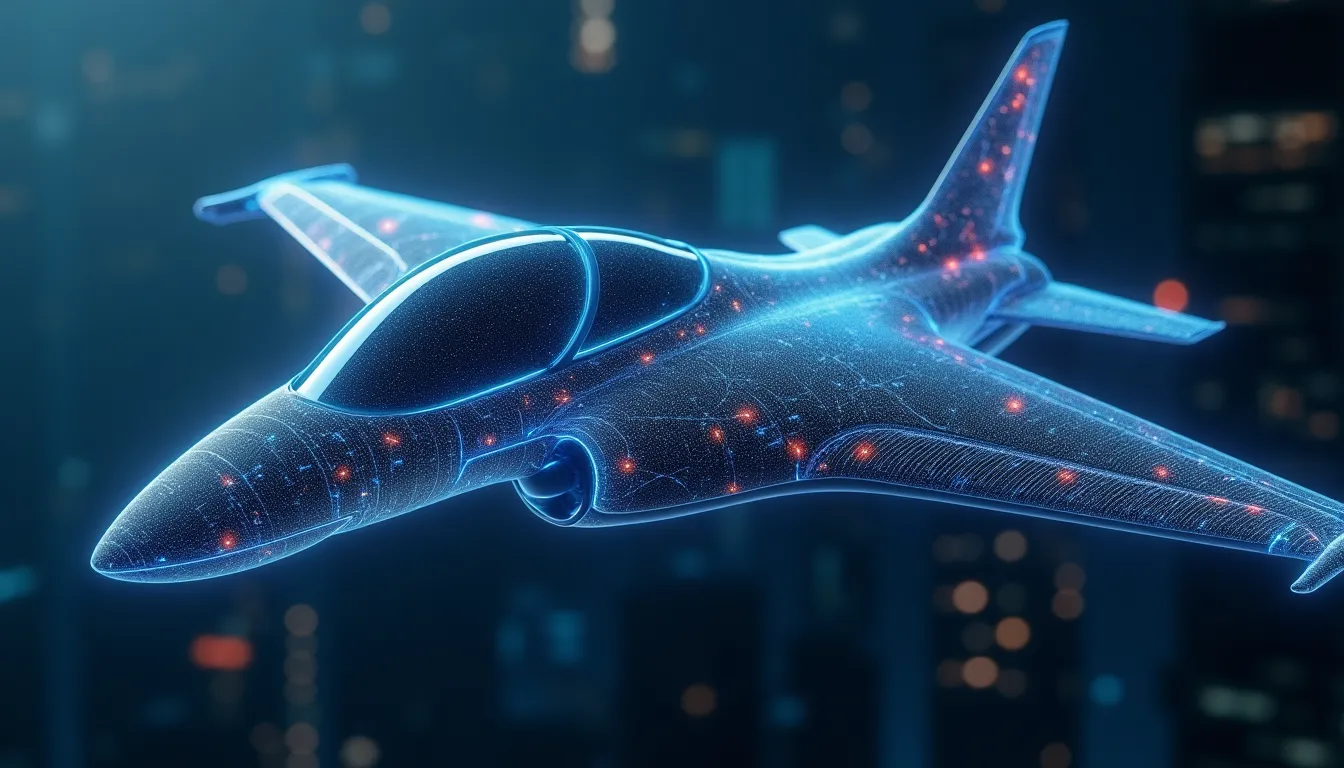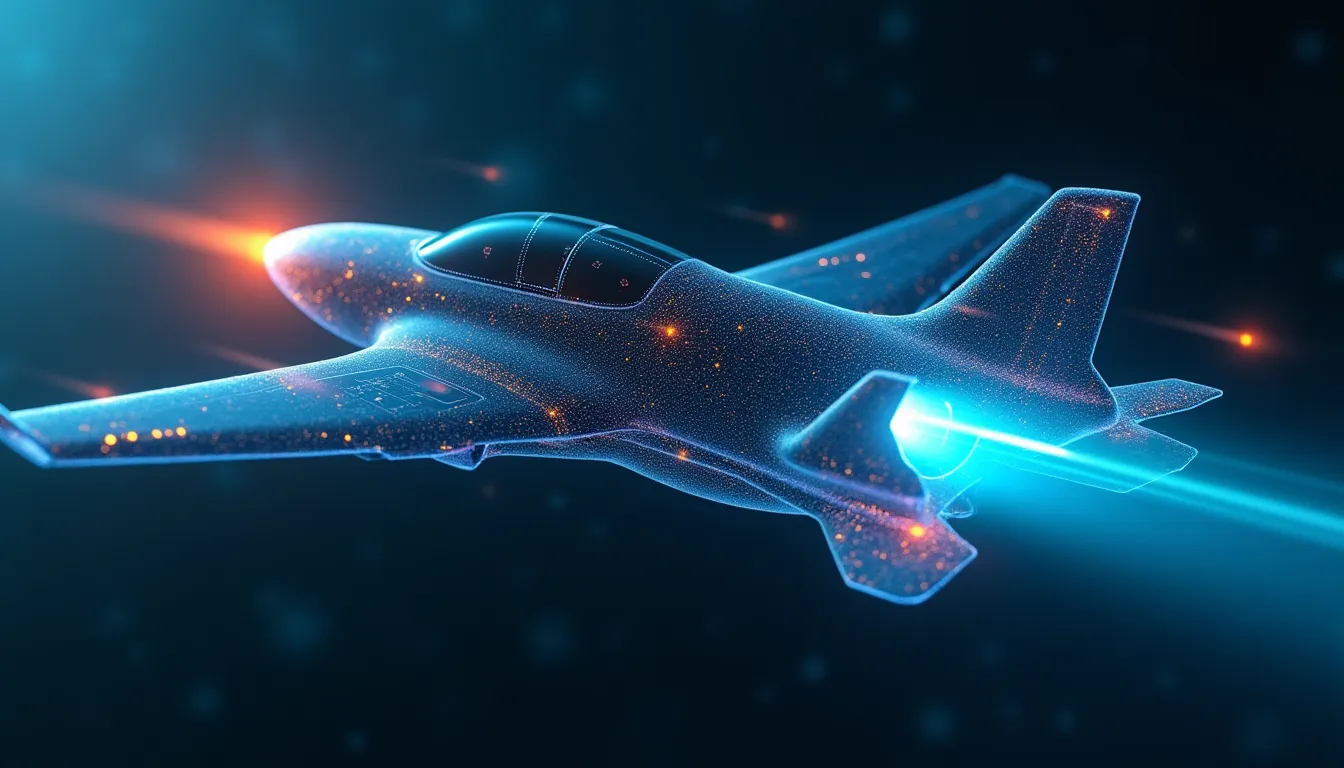
The aerospace industry stands on the brink of a technological revolution, with neural interface aviation leading the charge in enhancing pilot training and aircraft control. By integrating brain-computer interfaces (BCIs) into aviation practices, the industry aims to improve both safety and efficiency in flight operations. As these advanced technologies evolve, they promise to redefine the relationship between pilots and their aircraft.
Understanding Neural Interface Aviation
Neural interface aviation refers to the use of BCIs to facilitate direct communication between a pilot’s brain and the aircraft’s systems. These interfaces can interpret neural signals, translating them into commands that control various aircraft functions. This technology is particularly beneficial in high-stress environments, where quick decision-making is crucial.
The Technology Behind Brain-Computer Interfaces
At the core of neural interface aviation are sophisticated algorithms and sensor technologies that analyze brain activity. These systems utilize electroencephalography (EEG) to monitor brainwave patterns, which are then interpreted using artificial intelligence (AI) to execute commands. For instance, a pilot could potentially maneuver an aircraft simply by thinking about the desired action, streamlining the control process.
Dr. Emily Carter, a leading researcher in neural engineering, states, “The integration of BCIs into aviation not only enhances pilot capabilities but also significantly reduces response times during critical maneuvers. This is a game-changer for both training and actual flight scenarios.”
Enhancing Pilot Training with Neural Interfaces
One of the most significant applications of neural interface aviation is in pilot training. Traditional methods often rely on simulators and physical aircraft, which can be costly and time-consuming. However, BCIs allow for a more immersive training experience. By using neural interfaces, trainees can practice various scenarios without the need for extensive physical resources.
The implementation of BCIs enables trainers to monitor pilot stress levels and cognitive load in real-time, allowing for tailored training programs that address individual needs. Furthermore, advanced sensor modules can be integrated to track pilot movements and provide feedback during training sessions, enhancing learning outcomes.
Real-World Applications and Future Developments
The aviation industry is already witnessing the benefits of neural interface technologies. Companies like NeuroPilot Innovations are pioneering the development of BCIs designed specifically for aviation applications. Their systems have shown promising results in initial testing phases, demonstrating improved pilot performance in simulated environments.
In addition to training, neural interfaces could revolutionize flight operations. Imagine a scenario where a pilot can control the aircraft’s autopilot simply by thinking about a destination or course adjustment. This capability would not only enhance operational efficiency but could also significantly improve safety by reducing pilot workload during complex maneuvers.
Challenges and Considerations
Despite the potential advantages, several challenges must be addressed before neural interface aviation can be fully realized. Issues related to data security, the reliability of BCI systems, and regulatory hurdles are among the primary concerns. Additionally, there is a need for comprehensive testing to ensure that these systems can operate safely under various conditions.
Experts emphasize the importance of a gradual integration of these technologies. “While the potential is vast, we must proceed cautiously, ensuring that all safety protocols are in place before deploying neural interfaces in commercial aviation,” says Dr. John Smith, an aerospace safety analyst.
Conclusion: A New Horizon for Aviation
Neural interface aviation represents a transformative leap for the aerospace industry, promising to enhance both pilot training and aircraft control significantly. As technology continues to advance, the collaboration between neuroscience and aviation holds the potential to redefine how pilots interact with their aircraft. The future is bright for neural interface aviation, with ongoing research and development paving the way for safer, more efficient flight operations.
With the integration of technologies such as advanced sensor modules, the industry is set to embrace a new era where cognitive capabilities can enhance the physical aspects of flying. As we move forward, the synergy between human cognition and machine efficiency may well be the key to unlocking the full potential of aviation.
References
-
neural interface aviation Research - defensenews.com (defensenews.com)
-
neural interface aviation Research - aviationweek.com (aviationweek.com)
-
neural interface aviation Research - spacenews.com (spacenews.com)