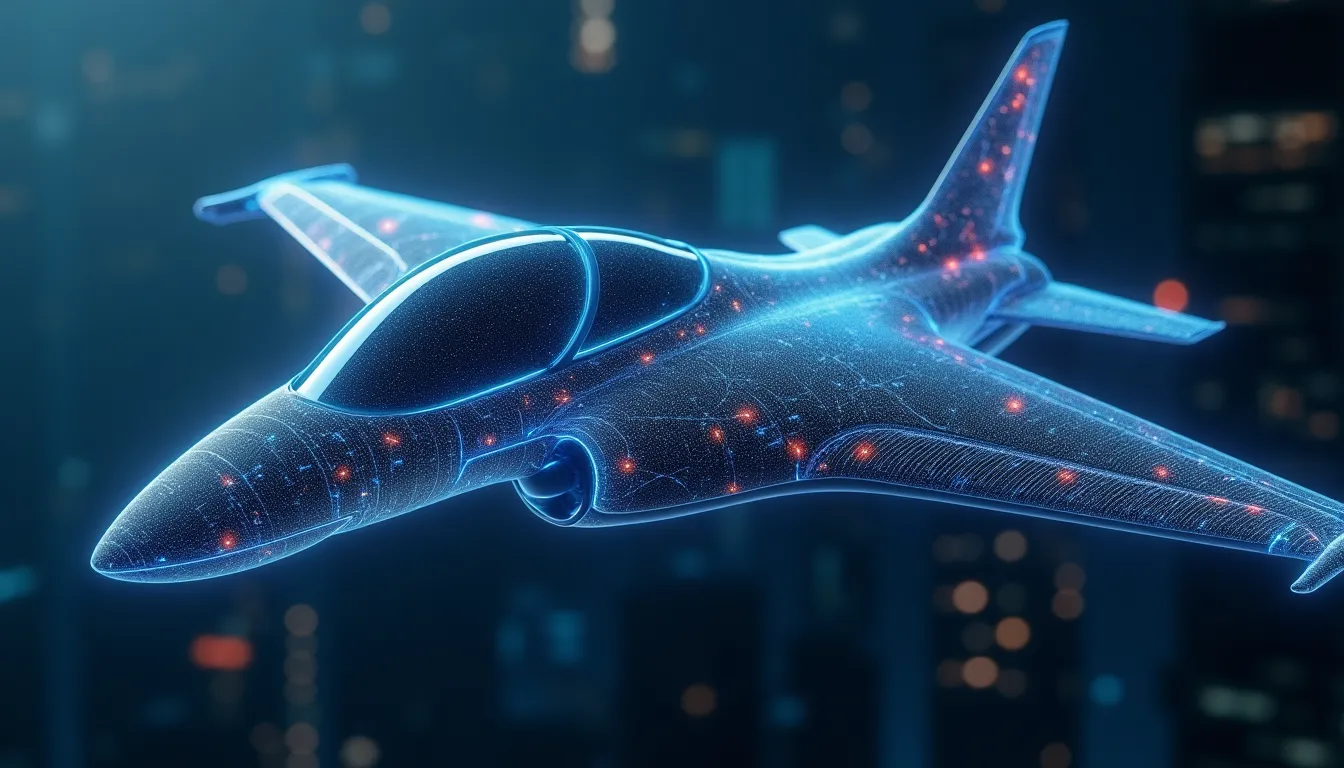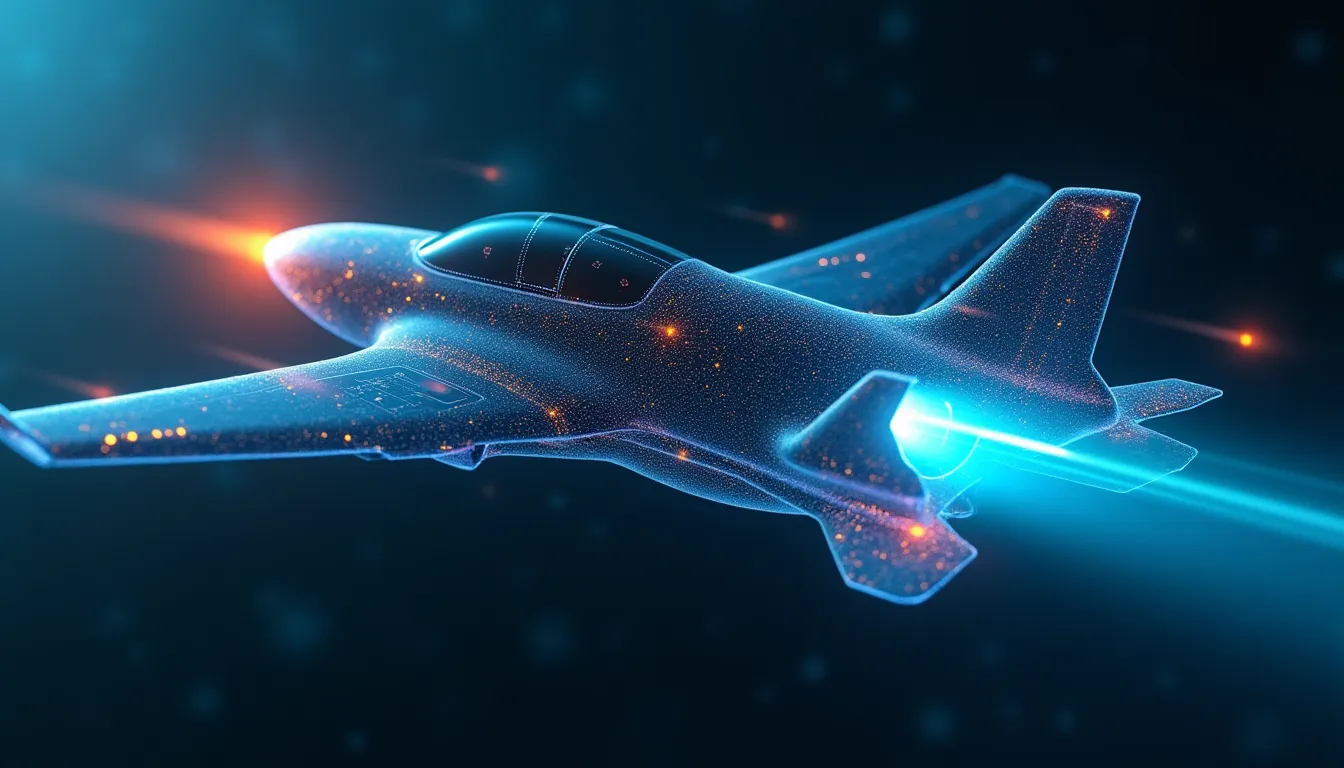
In the rapidly evolving field of aviation, neural interface technologies are emerging as a game changer, enhancing pilot training and aircraft control. These cutting-edge brain-computer interfaces (BCIs) are designed to improve the interaction between pilots and their aircraft, promising to reduce cognitive load and increase operational efficiency. As the aviation industry seeks to integrate more advanced technologies, neural interface aviation stands at the forefront of this transformation.
Understanding Neural Interface Aviation
Neural interface aviation refers to systems that enable direct communication between the human brain and aircraft systems. This technology allows pilots to control aircraft using their thoughts, thereby streamlining the interface between human cognition and machine responsiveness. By leveraging sophisticated algorithms and real-time data processing, BCIs can interpret neural signals to execute commands that traditionally require physical action.
Enhancing Pilot Training
One of the most significant applications of neural interface aviation is in pilot training. Traditional training methods often rely on simulators and physical controls, but BCIs can provide a more immersive learning experience. By incorporating brain activity monitoring, trainers can assess a pilot’s cognitive state in real time, allowing for tailored training programs that adapt to the individual’s learning pace.
Dr. Emily Carter, an aerospace psychologist at the Aviation Research Institute, notes, “Neural interfaces can provide insights into a pilot’s cognitive workload and stress levels during training exercises, enabling instructors to optimize learning experiences and improve retention of critical skills.”
Improving Aircraft Control
The integration of neural interfaces into aircraft control systems brings exciting possibilities. With the ability to interpret neural signals, pilots can execute maneuvers with increased precision, reducing response times in critical situations. This advancement is particularly beneficial in high-stress environments, where quick decision-making is essential.
For instance, advanced sensor modules that integrate a three-axis gyroscope, accelerometer, and magnetic sensor enhance the stability and responsiveness of aircraft during neural interface operations. These modules can provide the necessary motion sensing capabilities that complement the brain signals interpreted by BCIs, ensuring that pilot commands translate seamlessly into aircraft actions.
Industry Context and Future Developments
As the aviation industry increasingly embraces automation and artificial intelligence, the potential for neural interface aviation cannot be overstated. Major aerospace companies are investing heavily in research and development to refine these technologies. For example, Boeing and Lockheed Martin are exploring how BCIs can be integrated into next-generation aircraft and unmanned aerial vehicles (UAVs).
Moreover, military applications are also on the horizon, with the U.S. Department of Defense actively researching BCIs to enhance pilot performance in combat situations. The ability to control drones or fighter jets through thought alone could redefine tactical operations and mission success.
Potential Challenges and Considerations
Despite the promising future of neural interface aviation, challenges remain. The technology must overcome hurdles related to signal accuracy, latency, and user adaptability. Ensuring that pilots can effectively use these systems without experiencing fatigue or cognitive overload is crucial for their successful implementation.
As Dr. Carter emphasizes, “While the potential benefits are substantial, we must also consider the ethical implications and the training required to use such advanced technologies safely.”
Conclusion
Neural interface aviation represents a paradigm shift in how pilots interact with their aircraft. As developments in brain-computer interfaces continue to advance, the aviation industry stands to gain significantly in terms of safety, efficiency, and training effectiveness. The integration of technologies such as advanced sensor modules could enhance the reliability and precision of these systems, paving the way for a new era in aviation.
With ongoing research and innovation, the future of neural interface aviation looks promising, poised to transform not only how pilots are trained but also how they operate aircraft in increasingly complex environments. As we move forward, the collaboration between technology developers and aviation professionals will be key to unlocking the full potential of this groundbreaking technology.
References
-
neural interface aviation Research - defensenews.com (defensenews.com)
-
neural interface aviation Research - aviationweek.com (aviationweek.com)
-
neural interface aviation Research - spacenews.com (spacenews.com)