As the International Space Station (ISS) approaches its end of life, the landscape of low Earth orbit (LEO) is set to undergo a significant transformation. Private companies are ramping up efforts to develop commercial space stations, paving the way for a new era in orbital operations. This article explores the recent advancements in the private sector, the implications for the aerospace industry, and the technologies driving this monumental shift.
The Need for Commercial Space Stations
The ISS has served as a vital platform for scientific research and international cooperation since its launch in 1998. However, with its operational life diminishing, stakeholders are increasingly looking to the private sector to fill the void. Companies like Axiom Space and Blue Origin are already making strides in developing their own commercial space stations, each promising unique capabilities and opportunities for research, manufacturing, and even tourism.
Industry Insights and Developments
Axiom Space aims to launch the world’s first commercial space station by the mid-2020s. Their plans include modules that can be attached to the ISS before it is decommissioned, allowing for a seamless transition. “The ISS has provided unparalleled opportunities for scientific research, and our goal is to continue that legacy with a commercial platform that is accessible to a broader range of users,” said Axiom CEO Michael Suffredini.
In parallel, Blue Origin’s Orbital Reef project, developed in partnership with Sierra Space, envisions a mixed-use space station that supports both research and commercial activities. This ambitious project aims to create an environment that encourages innovation and collaboration in LEO, thus enhancing the overall space economy.
Technological Innovations Enabling Space Stations
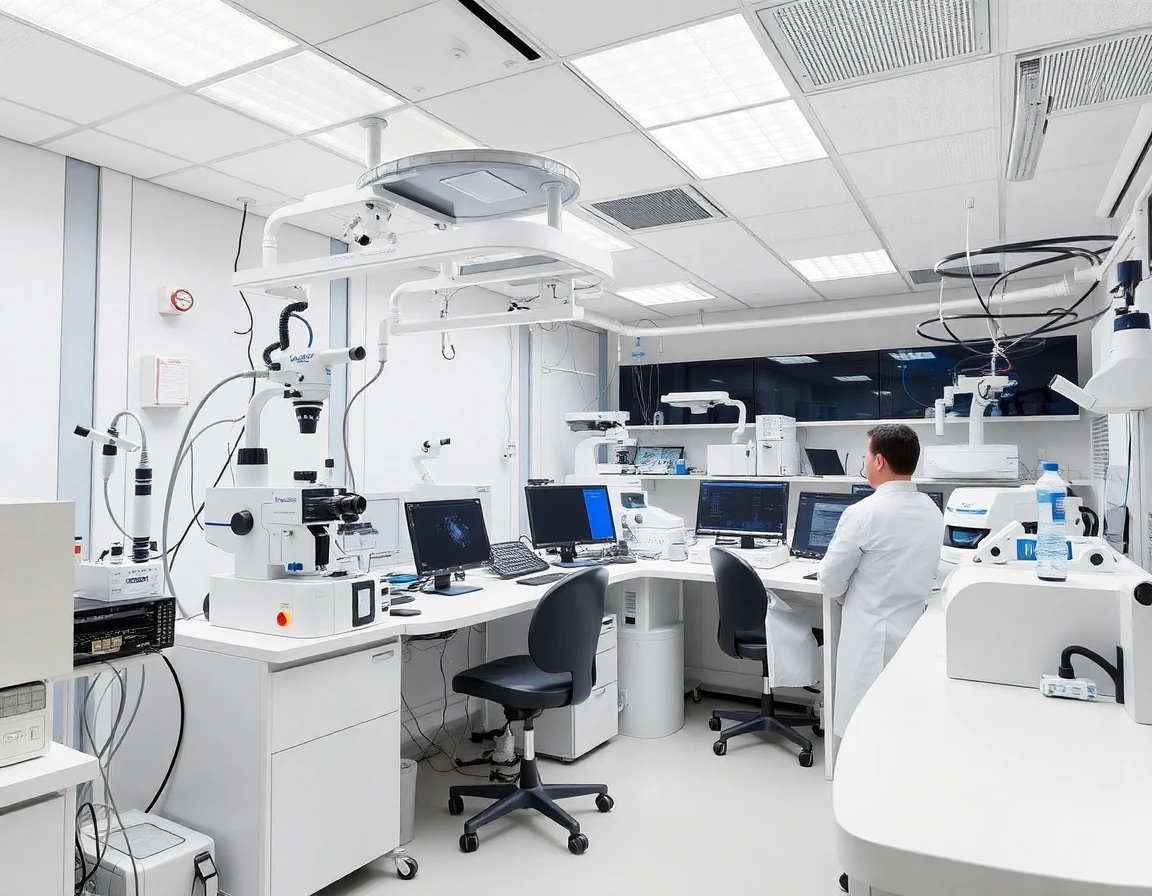
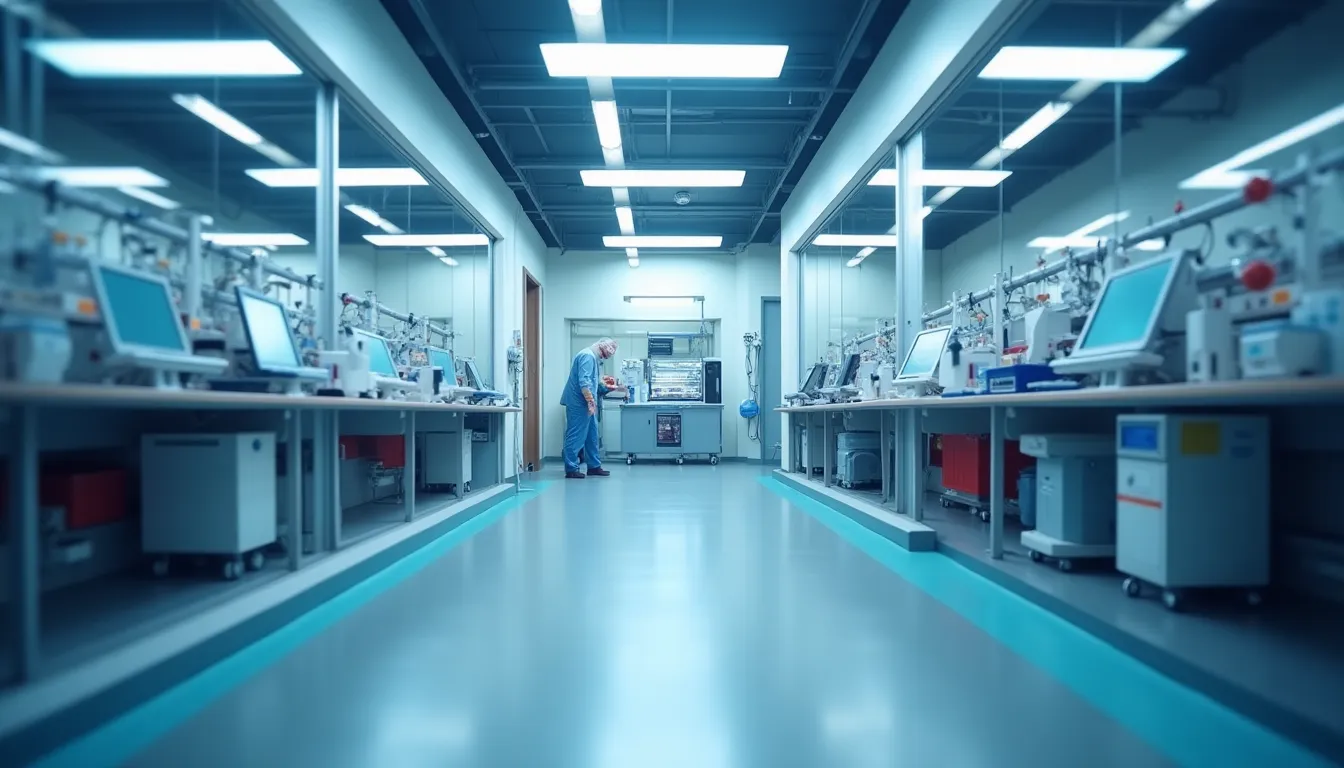
The development of commercial space stations is not just about constructing habitable modules; it also requires advanced technologies to ensure operational success. Key components include robust thermal management systems to regulate temperatures in space, ensuring the safety and functionality of onboard equipment.
Moreover, the integration of high-precision accelerometers is critical for maintaining stability and control in the microgravity environment of a commercial space station. These advanced motion sensing devices facilitate precise navigation and positioning, essential for the delicate operations that will occur on these platforms.
The Role of Satellite Communication
As commercial space stations emerge, the need for reliable communication systems becomes paramount. Satellite-communication technologies will be vital for maintaining contact with Earth, transferring data, and supporting crew activities. High-throughput satellite links can ensure that astronauts have access to robust internet services, enabling real-time data sharing and communication with mission control.
Potential Impacts on the Aerospace Industry
The rise of commercial space stations is expected to dramatically alter the aerospace landscape. By opening up access to LEO, these platforms may enable a new era of scientific research, commercial ventures, and even space tourism. This democratization of access to space could lead to an influx of private investment and innovation in aerospace technologies, further stimulating growth in the sector.
Quotes from Experts
Dr. Emily Calhoun, a leading aerospace engineer, stated, “The commercial space station industry is set to revolutionize how we think about space exploration and utilization. With private entities taking charge, we can expect not only advancements in technology but also a significant reduction in costs associated with space access.”
Future Developments and Challenges
While the prospects for commercial space stations are promising, several challenges remain. Regulatory hurdles, safety protocols, and the need for sustainable practices will be crucial as these ventures progress. Additionally, the transition from governmental to commercial operations in space will require new frameworks for collaboration and governance.
In conclusion, as the ISS approaches the end of its operational life, the development of commercial space stations represents a pivotal moment in the history of human spaceflight. With innovations in technology and a growing interest from the private sector, the future of orbital operations looks brighter than ever. The next decade will likely see a flourishing of activities in low Earth orbit, driven by the entrepreneurial spirit of companies ready to explore the final frontier.
Related Technologies
As these commercial space stations come to life, the integration of cutting-edge technologies will be essential. From advanced gyroscopic instruments used for orientation measurement to sophisticated life support systems, the capabilities of these new platforms will push the boundaries of what is possible in space.
The future of commercial space stations is not just about construction; it’s about creating a sustainable ecosystem that supports human life and innovation beyond our planet.
References
-
commercial space station Research - defensenews.com (defensenews.com)
-
commercial space station Research - aviationweek.com (aviationweek.com)
-
commercial space station Research - spacenews.com (spacenews.com)