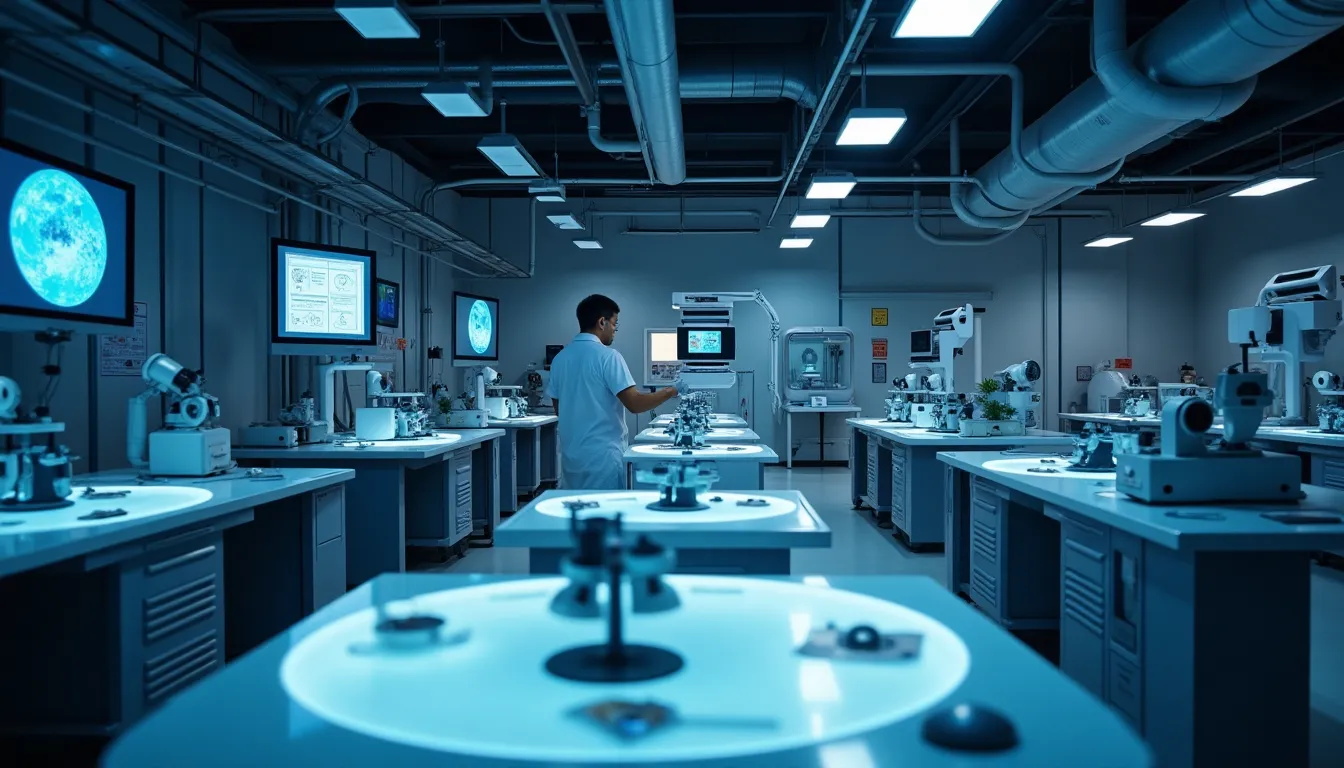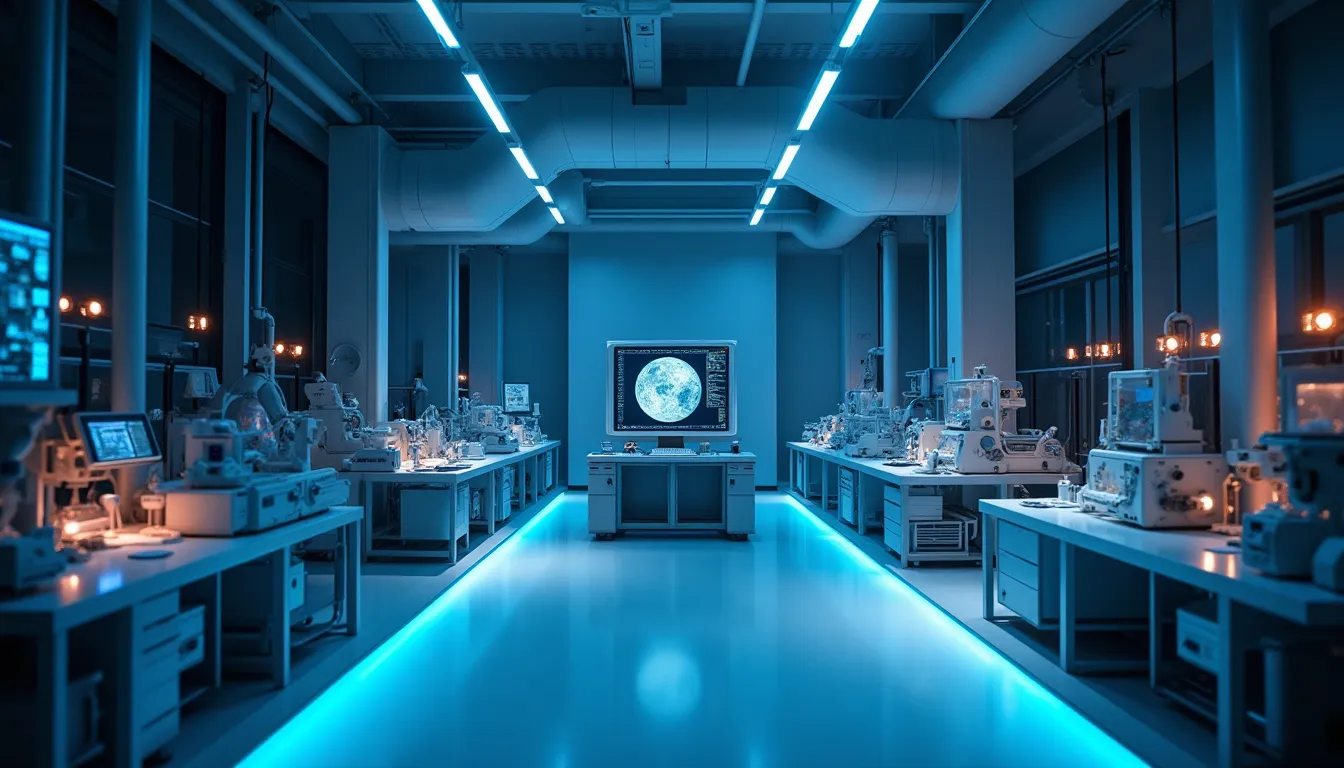
As nations and private companies set their sights on the Moon, lunar mining has emerged as a pivotal focus in the quest for sustainable space exploration and resource utilization. This article delves into the current research surrounding the technical and economic feasibility of extracting resources from the Moon, assessing its implications for the aerospace industry and beyond.
The Promise of Lunar Resources
Lunar mining refers to the extraction of materials from the Moon’s surface, including water, helium-3, rare earth elements, and various metals. These resources could support life on lunar bases and serve as invaluable materials for spacecraft fuel and future missions to Mars and beyond.
Water: A Vital Resource
Water is perhaps the most critical resource identified in lunar mining initiatives. Found in permanently shadowed craters, this ice can be converted into hydrogen and oxygen, essential for life support and fuel for rockets. According to Dr. Emily Carter, a leading researcher at NASA, “The ability to source water from the Moon could significantly reduce the costs associated with deep space missions.”
The Economic Feasibility of Lunar Mining
Recent studies indicate that lunar mining could be economically viable within the next decade. The estimated costs of lunar missions have decreased significantly, enabling new players in the aerospace market. Companies like SpaceX and Blue Origin are already working on technologies that could facilitate lunar operations.
Technological Innovations Driving Lunar Mining
To ensure the success of lunar mining operations, several advanced technologies are being developed and refined:
-
High-Precision Control Systems: Advanced linear electric actuator systems, such as the High-Precision Advanced Control System for Aerospace Applications, are crucial for the automation of mining equipment. These systems enhance operational efficiency by providing precise control over machinery, which is especially vital in the challenging lunar environment.
-
Inertial Navigation Systems: Effective navigation is critical during lunar operations. High-quality inertial navigation systems ensure that mining equipment can be accurately positioned and maneuvered across the Moon’s varied terrain.
-
Thermal Management Systems: The extreme temperature fluctuations on the Moon necessitate robust thermal management solutions to protect mining equipment and ensure operational reliability.
Challenges Facing Lunar Mining
Despite its potential, lunar mining faces numerous challenges. The harsh lunar environment, characterized by high radiation levels and extreme temperature variations, poses significant risks to both equipment and personnel. Additionally, the high costs associated with launching and maintaining operations on the Moon remain a critical concern.
Regulatory and Ethical Considerations
As interest in lunar mining grows, so too does the need for a legal framework governing the extraction of lunar resources. The Outer Space Treaty of 1967 prohibits any nation from claiming sovereignty over celestial bodies, leading to questions about ownership and rights over mined resources. Experts like Dr. Amanda Schmitt, a space law scholar, argue that a new international treaty may be necessary to address these issues, stating, “We need a collaborative approach to ensure that lunar resources are utilized responsibly and equitably.”
Future Developments in Lunar Mining
Looking ahead, the next decade is likely to see significant advancements in lunar mining technologies and operations. With ongoing research and collaboration between government agencies and private companies, the feasibility of establishing a sustainable lunar economy is becoming increasingly tangible.
The Role of International Collaboration
International partnerships may play a crucial role in the development of lunar mining. Countries like the United States, China, and the European Union are already exploring collaborative efforts to share knowledge and resources. As Dr. Carter notes, “Working together on lunar mining initiatives can lead to shared technological advancements and a more unified approach to space exploration.”
Conclusion
Lunar mining represents a fascinating intersection of technology, economics, and international policy. As research continues into the feasibility of extracting lunar resources, it is clear that the Moon could become a vital part of humanity’s future in space. With the right technological advancements and collaborative efforts, lunar mining may not just be a dream but a significant step towards sustainable space exploration.
As the aerospace industry prepares for this new frontier, the implications of lunar mining will likely resonate across sectors, potentially reshaping our understanding of resource utilization in outer space.
References
-
lunar mining Research - defensenews.com (defensenews.com)
-
lunar mining Research - aviationweek.com (aviationweek.com)
-
lunar mining Research - spacenews.com (spacenews.com)