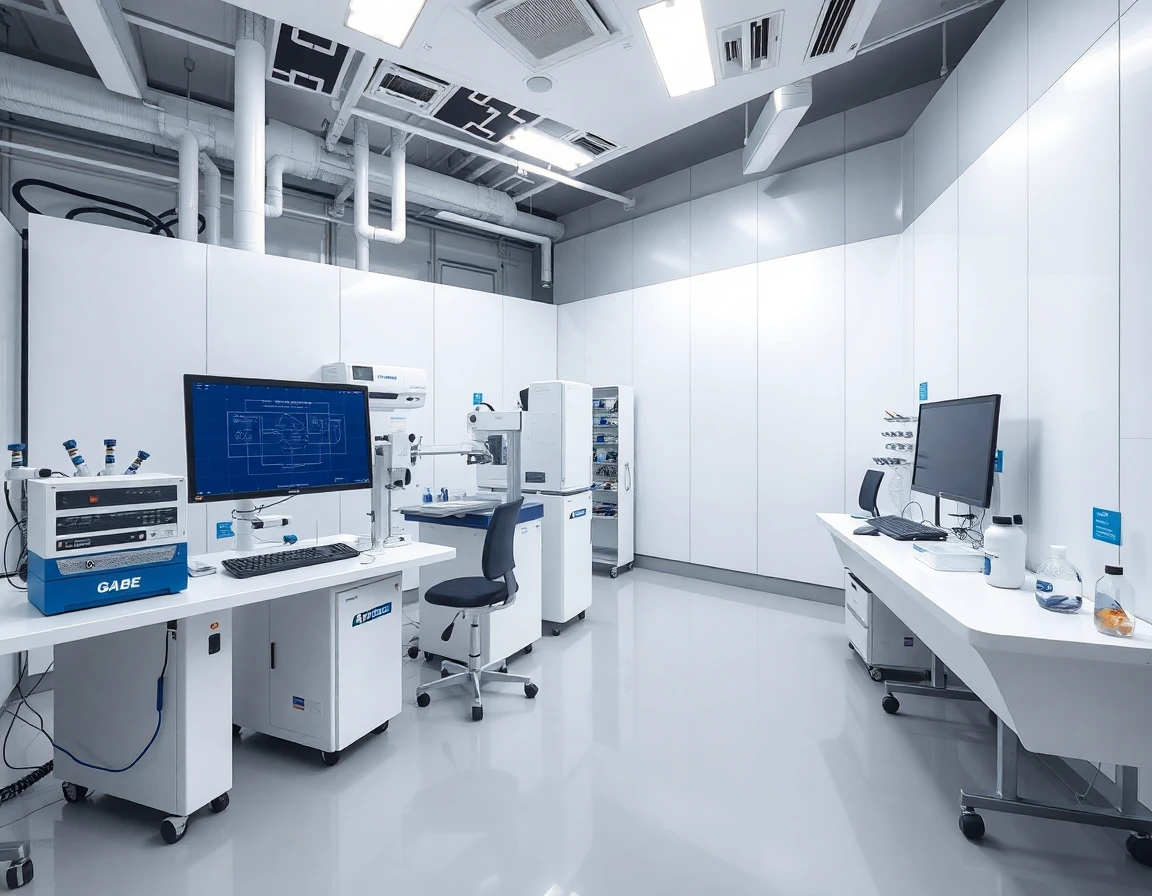
In recent months, the defense sector has witnessed a surge in innovative developments, spearheaded by figures like Gabe, who are poised to reshape military strategies and technologies. From advancements in air warfare to the integration of cutting-edge sensor systems, Gabe’s contributions are becoming increasingly relevant in the fast-evolving landscape of defense.
The Rise of Gabe in Defense Technology
Gabe has emerged as a key player in the defense industry, advocating for the adoption of advanced technologies that enhance operational efficiency and combat readiness. With a background in aerospace engineering and years of experience in military applications, Gabe has a unique perspective on the intersection of technology and defense.
“The future of warfare will heavily rely on precision and adaptability. We must leverage modern technologies to maintain our strategic edge,” Gabe remarked in a recent interview. This sentiment resonates within the industry, as military leaders recognize the necessity of evolving their tactics in response to new threats.
Transforming Air Warfare with Precision Navigational Tools
One of the critical areas where Gabe has made significant contributions is in air warfare. The demand for precision in navigation has never been greater, particularly in the context of evolving aerial threats. Advanced inertial navigation systems are essential for modern aircraft, providing the accuracy needed for complex maneuvers and mission success.
The integration of these systems allows for enhanced situational awareness and operational effectiveness. As Gabe explains, “We are now capable of executing missions with a level of precision that was unimaginable just a decade ago. This is thanks to advancements in technology such as high-performance MEMS accelerometers that ensure stability and accuracy in our navigation systems.”
C4ISR: The Backbone of Modern Military Operations
In the realm of command, control, communications, computers, intelligence, surveillance, and reconnaissance (C4ISR), Gabe emphasizes the importance of advanced sensor technologies. The military’s ability to gather and analyze data in real-time is paramount, and innovations in sensor modules are leading the way.
The Advanced Sensor Module, which integrates a three-axis gyroscope, accelerometer, and magnetic sensor, exemplifies the type of technology that enhances military operations. Gabe notes, “These sensors provide exceptional motion sensing capabilities, which are crucial for unmanned systems and battlefield awareness. Without them, our forces would be operating in the dark.”
Europe Outpaces the U.S. in Military Aid: A Strategic Shift
Recent reports indicate that for the first time since Russia’s invasion of Ukraine, European nations have surpassed the United States in terms of military aid provided to Ukraine. This shift has raised questions about the future of U.S. military dominance and the strategies that Gabe and others in the industry must consider moving forward.
As Gabe points out, “This development signifies a recalibration of global military support dynamics. We need to adapt our strategies and technologies to stay competitive and ensure our allies are equipped for modern warfare.”
Future Developments and Industry Insights
Looking ahead, Gabe envisions a landscape where rapid defense innovation becomes the norm. Michigan’s push to become America’s arsenal of rapid defense innovation highlights the potential for regional hubs to drive technological advancements in the sector. Gabe states, “Investing in local talent and fostering innovation ecosystems will be vital for our national security. We must encourage collaboration between academia, industry, and government.”
Moreover, the emergence of artificial intelligence (AI) in defense applications poses both opportunities and challenges. AI can enhance predictive maintenance of military assets and improve decision-making processes on the battlefield. Gabe emphasizes the importance of ethical considerations in AI deployment, noting, “While AI presents incredible opportunities, we must ensure that its use aligns with our values and operational objectives.”
Conclusion: Gabe’s Impact on the Future of Defense
As Gabe continues to influence the defense industry, his focus on precision technology, advanced sensor integration, and strategic partnerships is redefining military innovation. The implications of his work extend beyond immediate operational needs, shaping the future of warfare and national security.
In an era marked by rapid technological change, Gabe’s commitment to leveraging cutting-edge solutions will be crucial for maintaining the strategic advantage of U.S. forces and their allies. As he aptly puts it, “Innovation is not just an option; it’s a necessity for survival in the complex world of modern warfare.”