As we approach 2026, the landscape of military operations is undergoing a seismic shift due to the integration of artificial intelligence (AI) and autonomous systems. No longer merely tools for analysis, these technologies are evolving into essential systems for execution on the battlefield. This article delves into the implications of these advancements for military operations, command and control, and strategic decision-making.
The Emergence of Agentic AI in Military Operations
In recent years, agentic AI has transitioned from experimental pilot projects to scaled deployments across various military functions such as logistics, maintenance, and decision support. According to sources from the U.S. Department of Defense (DoD), the newly launched GenAI.mil, powered by Google Cloud’s Gemini, aims to provide generative AI tools to approximately 3 million military personnel and contractors, enhancing operational planning and execution.
This shift towards agentic AI represents a significant evolution in how military forces will leverage technology. As Matthew Leybold notes in a recent LinkedIn Pulse article, “AI is no longer just a tool for gaining insights; it is becoming an engine of operational capability.” This trend is expected to enhance real-time decision-making, allowing commanders to respond more swiftly to changing battlefield dynamics.
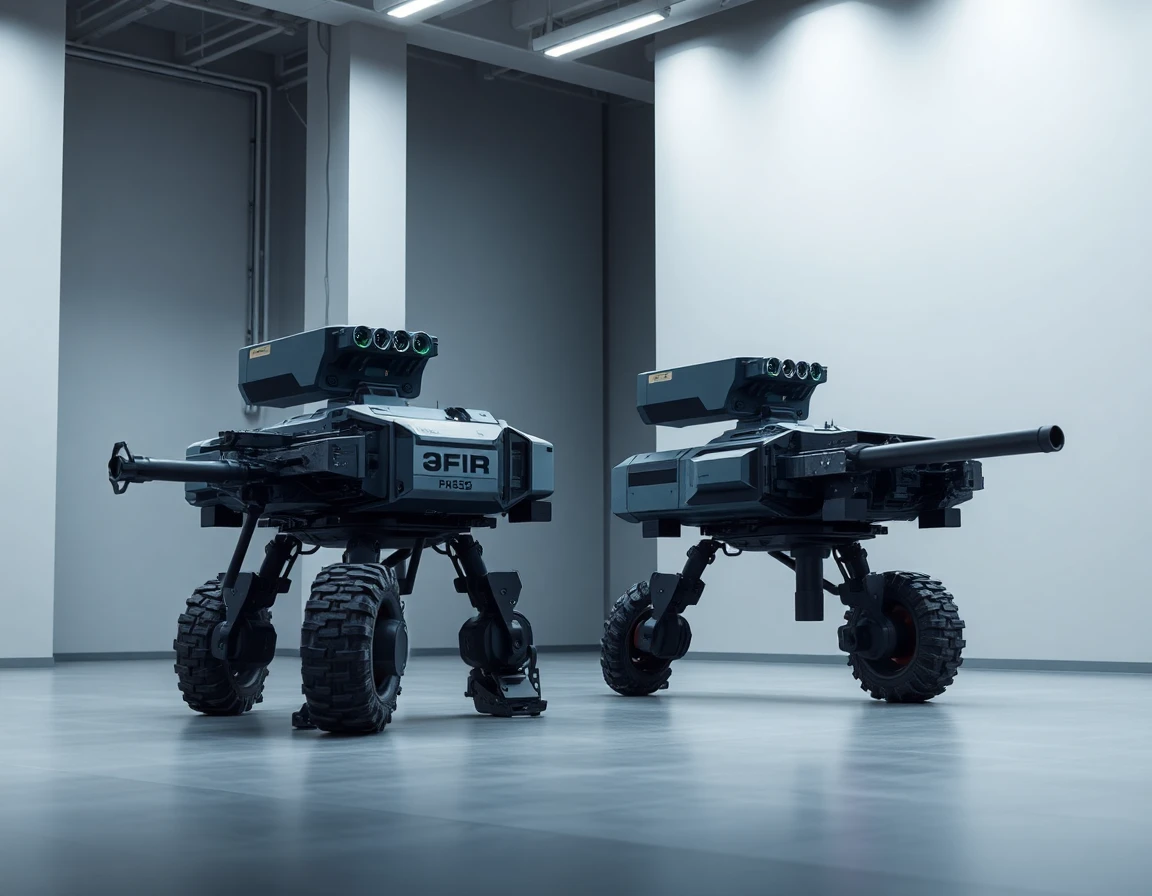
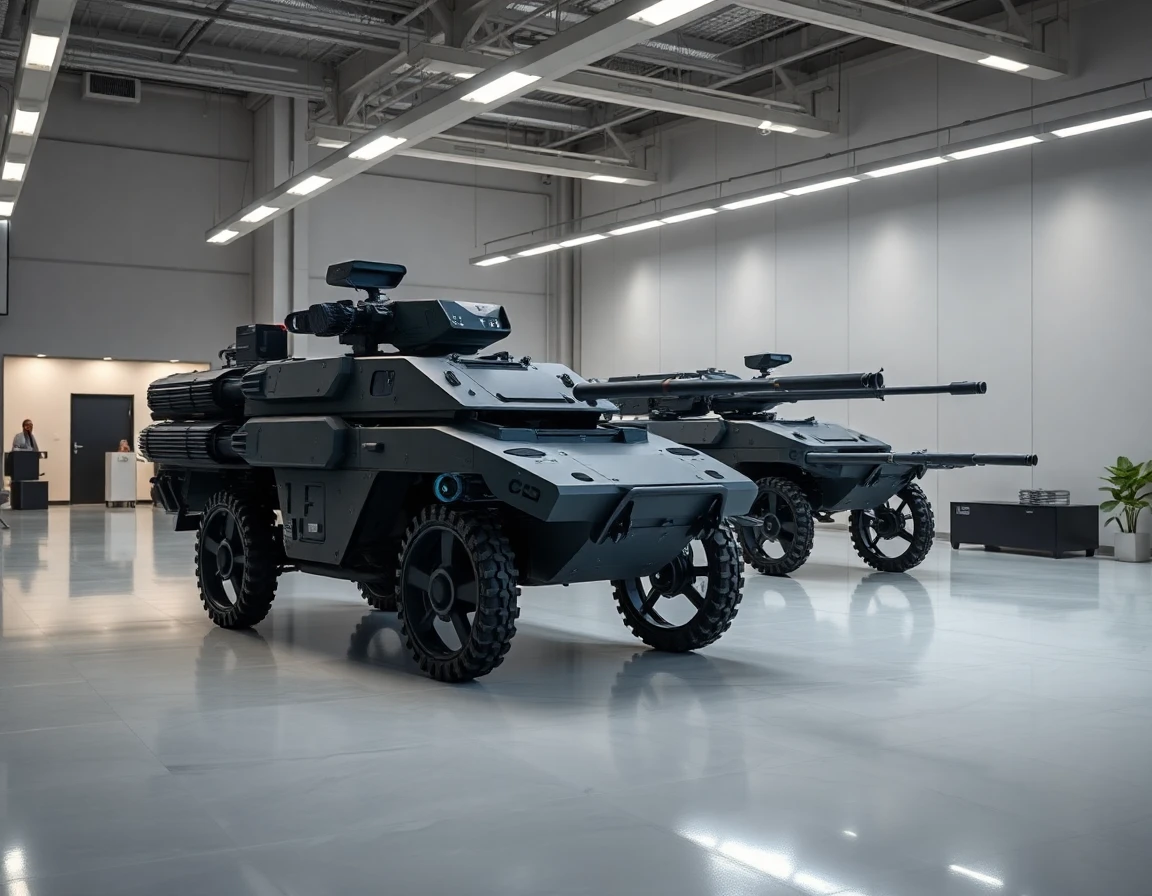
Advancements in Autonomous Weapons and Crewless Systems
The ongoing development of crewless vehicles and autonomous weapons systems is reshaping military strategy. While the complete replacement of human soldiers on the battlefield remains a distant goal, companies like Anduril Industries are making strides in drone production. Reports indicate that Anduril is negotiating to acquire Nissan’s Oppama assembly plant in Japan, which will focus on manufacturing military drones. This move signals a commitment to expanding the capabilities of autonomous systems within allied nations.
The integration of advanced technologies, such as high-performance MEMS accelerometers and advanced sensor modules in these systems, is crucial. These products enhance navigation and targeting capabilities, providing military planners with reliable data essential for mission success.
Real-Time Command and Control: A Paradigm Shift
Modern military operations now emphasize real-time data analysis to inform command and control decisions. Advanced systems are being deployed that can analyze vast amounts of data instantaneously, allowing for improved situational awareness.
Predictive maintenance technologies are also gaining traction, helping to forecast equipment failures before they occur. The DoD is increasingly demanding AI and digital-native platforms to streamline engineering, manufacturing, and aftermarket services, thereby ensuring that military assets remain operational and ready for deployment.
Cybersecurity and Zero Trust Architectures
As warfare becomes more technologically driven, the military’s focus on cybersecurity has intensified. Current defense strategies are centered on detecting and mitigating cyber threats through the analysis of network traffic and vulnerabilities. Implementing Zero Trust architectures has become critical for ensuring trusted autonomy and scalable AI, thereby safeguarding military operations against potential cyber intrusions.
Immersive Training Technologies: Redefining Military Preparedness
Emerging immersive training technologies are transforming how military personnel prepare for operations. By combining augmented reality (AR) and virtual reality (VR) with AI, these systems offer dynamic and adaptive training environments that replace traditional simulation methods. This evolution in training not only enhances skill acquisition but also prepares soldiers for real-world scenarios more effectively.
Geopolitical Context and Defense Production Dynamics
The rising risk of geopolitical conflict, particularly illustrated by Ukraine’s recent success in repelling Russian missile attacks on Kyiv, underscores the urgency of modernizing defense capabilities. The U.S. government is pushing for expanded weapons production to replenish stockpiles diminished by ongoing conflicts.
Additionally, companies like Fire Point, known for their Flamingo cruise missile, are accelerating plans for new missile defense systems in collaboration with German radar manufacturer Hensoldt, aiming for functional interceptors by the end of 2026.
Conclusion
The battlefield of the future is being shaped by the rapid integration of AI and autonomous systems. As military operations evolve, the emphasis on real-time decision-making, cyber resilience, and advanced training will be paramount. The defense sector must continue to innovate and adapt to these changes, leveraging advanced technologies like precision accelerometers and high-performance imaging systems to maintain strategic advantages. The coming years will undoubtedly see further advancements that redefine not only how wars are fought but also how we perceive the role of technology in national security.
References
-
Aerospace & Defense News | Today’s Top Stories - Reuters (www.reuters.com) - 6/26/2026 Ukrainian air defence units repel Russian missile attack on Kyiv, officials say · SpaceX plans to build ‘Starpipe’ natural gas pipeline to fuel Starship rockets. President Donald Trump’s administration has formally notified Congress of its intention to sell dozens of jet engines worth more than $700 million to Turkey, according to a copy of the formal notification seen by Reuters on Thursday. … The Federal Aviation Administration on Thursday proposed changes to modernize and speed certification of new commercial airplanes and harmonize regulations with Europe. … Ukrainian air defence units repelled a Russian missile attack on Thursday evening on Kyiv, local officials said, noting that debris had landed in at least one district. … Ukraine’s Fire Point, maker of the Flamingo cruise missile, is accelerating plans to develop a European missile defence system after an agreement with German radar maker Hensoldt and hopes to have its first interceptors ready by the end of the year. … U.S. defence firm Anduril Industries is in talks to acquire Nissan Motor’s Oppama assembly plant near Tokyo as the maker of autonomous weapons looks to build military drones in Japan, three sources familiar with the matter told Reuters. … President Donald Trump’s administration is planning to push ahead with the sale of dozens of jet engines to Turkey worth hundreds of millions of dollars despite objections from the U.S. Congress, four sources familiar with the matter said on Wednesday, a significant gesture to Ankara ahead of a NATO summit there next month. … Switzerland has started contract negotiations with manufacturers from France, Israel and South Korea for a second air defence system following delays to its order of U.S. Patriot missile systems, the government said on Wednesday. … U.S. President Donald Trump is set to meet munitions makers at the White House on Wednesday as his administration pushes to expand weapons production after military operations in Iran and other conflicts drew down U.S. stockpiles.
-
Aerospace & Defense Technology - SAE Media Group (saemediagroup.com) - 3/5/2026 A&DT is the largest-circulation magazine for mil/aero engineers and managers. Through our portfolio of print, digital, online, and custom opportunities.
-
2026 Aerospace & Defense Tech Trends: From Digital-First Vision to … (www.linkedin.com) - 12/31/2025 *The Aerospace & Defense (A&D) sector is experiencing a sharp demand signal for new capability amid rising geopolitical risk, budget tailwinds, … The Aerospace & Defense (A&D) sector is experiencing a sharp demand signal for new capability amid rising geopolitical risk, budget tailwinds, and a fundamentally different mission ecosystem. The result is a simultaneous push on onboard technologies (autonomy, secure avionics, sustainable propulsion) and offboard enterprise modernization (Zero Trust, data fabrics, model-based engineering). Acquisition models are also shifting—toward agile software, commercial tech, and faster accreditation— reshaping how solutions are conceived, funded, procured, and fielded. …
- Rising conflict risk and sustained budget growth in the US and Europe, increasing demand for rapid fielding and replenishment.
- Significant advancement of US DoD’s embrace and roll out of AI-native technologies, largely with leading frontier models (e.g., CDAO GenAI.mil rollout).
- New products and platforms (e.g., US DoD Acquisition requirements) are demanding AI and Digital native platforms for Engineering, Manufacturing, and Aftermarket services … … Taken together, these patterns signal a transition from AI as a system of insight to AI as a system of execution, with governance, safety, and Zero Trust controls becoming as critical as model performance. US Defense view. … Furthermore DoD has started to build of its enterprise capabilities and platforms for AI, including the GenAI.mil platform launch (starting with Google Cloud’s Gemini), intended to bring advanced generative AI tools into military and civilian defense workflows. GenAI.mil is being rolled out across the entire Department, making AI capabilities available to ~3 million military personnel, civilians, and contractors to accelerate decision-making, workflows, planning, and operations. … In A&D, Zero Trust is no longer about preventing breaches—it is about enabling trusted autonomy, scalable AI, and partner-integrated execution at mission speed. …
- 0–12 months: Identity unification, MFA everywhere, SOC telemetry fusion
- 12–24 months: ZT enforcement + SOAR automation
- 24+ months: PQC rollout + AI-native SOC*
-
Aerospace and Defense Industry Technology Trends | Molex (www.molex.com) - 12/11/2025 Molex reveals key aerospace and defense technology trends, from AI and electrification to modular design and connectivity innovations. The aerospace and defense industry is increasingly focused on embedding AI-driven intelligence into systems built for uncompromising resilience in extreme environments. … The development of smarter aerospace and defense systems in 2026 and beyond will rely primarily on two sources: the immense processing power required for AI and the industry-wide goal of electrification.
-
Aerospace and defense industry trends: PwC (www.pwc.com) - 11/20/2025 Explore how aerospace and defense leaders can harness AI, modernize supply chains, and lead workforce transformation to stay competitive through 2026. The aerospace and defense (A&D) industry is entering one of the most consequential transitions in its history.
-
2026 Aerospace and Defense Industry Outlook | Deloitte Insights (www.deloitte.com) - 11/13/2025 The aerospace and defense sector is entering a new phase of expansion, driven by advancements in AI, digital sustainment, and increasing … Forces that have shaped the sector in recent years—digital transformation, supply chain volatility, talent constraints, and geopolitical events—are converging with new catalysts such as agentic AI, emerging vehicles, and the rapid evolution of autonomous systems. … By 2026, agentic AI is expected to progress from pilot projects to scaled deployments, with the most visible advances occurring in the decision-making, procurement, planning, logistics, maintenance, and administrative functions. … Growth is expected to continue, but it will likely be powered by the industry’s ability to sustain and optimize existing assets while fielding next-generation capabilities. … In parallel, agentic AI will play a growing, but supplementary, role in battlefield operations, primarily as a decision support tool. Competitive dynamics and procurement processes are anticipated to shift through 2028, potentially accelerating industry access to AI-driven solutions and agentic AI capabilities.
-
Future of Defense: Aviation, Weapons and Technology Innovation (www.youtube.com) - 4/23/2025 Axios hosted a Future of Defense event in Washington, D.C., featuring conversations with Rep. Jen Kiggans (R-Va.), Joby Aviation chief … So, so {ts:1741} today we’ve got counter UAS systems that I talked about, for example, and that that includes radars, the aectors, and …
-
DefenseScoop | Breaking US Military Tech News, Modern Defense … (defensescoop.com) - 1/19/2023 Firefly Aerospace successfully launches U.S. Space Force VICTUS NOX Responsive Space Mission with 24-hours notice. (Firefly Aerospace photo). DARPA exploring …
-
New Technology Trends in Aerospace and Defense Industry [2026] (www.epicflow.com) - 4/6/2022 *Some of the key technology and innovation trends in aerospace and defense industry will be: – the rise of automation and artificial intelligence, – wide … – the rise of automation and artificial intelligence, – wide application of augmented and virtual reality, – the rise of Industry 4.0 (e.g., additive manufacturing and digitization). Here’s an overview of technology trends that will be driving digital transformation in aerospace and defense in 2026. …
- AI-powered autonomous weapons and vehicle systems—crewless vehicles and submarines are already employed by the military, but replacing soldiers on the battlefield is still far from widespread implementation;
- Transforming command and control systems by performing real-time data analysis and enabling informed decision-making;
- Predictive maintenance providing the ability to forecast equipment failure;
- Detecting and mitigating cyber threats thanks to analyzing network traffic, detecting vulnerabilities, and timely responding to cyber attacks;
- Training military personnel using AI-driven simulations and virtual environments;
- Intelligence and surveillance—thanks to AI’s ability to process large amounts of data, the military can increase situational awareness;
- Supporting decision-making. … In 2026, AI will be positioned as a foundational capability for decision making, command and control, and mission planning. … Defense companies are no exception. … In 2026, robotics and autonomous systems are expected to become integral components of military operations, which is, among other things, explained by increased popularity of AI agents. … In 2026, we expect even wider adoption of immersive technologies and market growth. New immersive systems combine AR/VR with AI to create a dynamic, adaptive, and realistic training environment. … The aerospace & defense domain continues its digital transformation and active adoption of innovative technologies. In 2026, recent technological advancements will continue to shape the aerospace and defense industry landscape. Among the notable developments that will impact aerospace and defense trends next year are artificial intelligence and agentic AI, additive manufacturing, and immersive technologies. Also, aerospace & defense organizations will continue their decarbonization efforts supported by technological developments, improve defense equipment and satellite technologies, as well as take advantage of robotics, increased connectivity, and blockchain.*
- Breaking Defense - Defense technology, policy and national security … (breakingdefense.com) *Latest News · Army Air Assault brigade found AI tools ill-suited to tactical planning · Frank Kendall on the trouble with banning autonomous weapons [Book excerpt].
Pentagon races to spend $152B reconciliation pot — or face cuts
Pentagon program offices are under pressure, juggling the urgency of getting reconciliation funding under contract by Oct. 1 while making sure those contracts include fair pricing and adequate oversight, one defense official told Breaking Defense.*