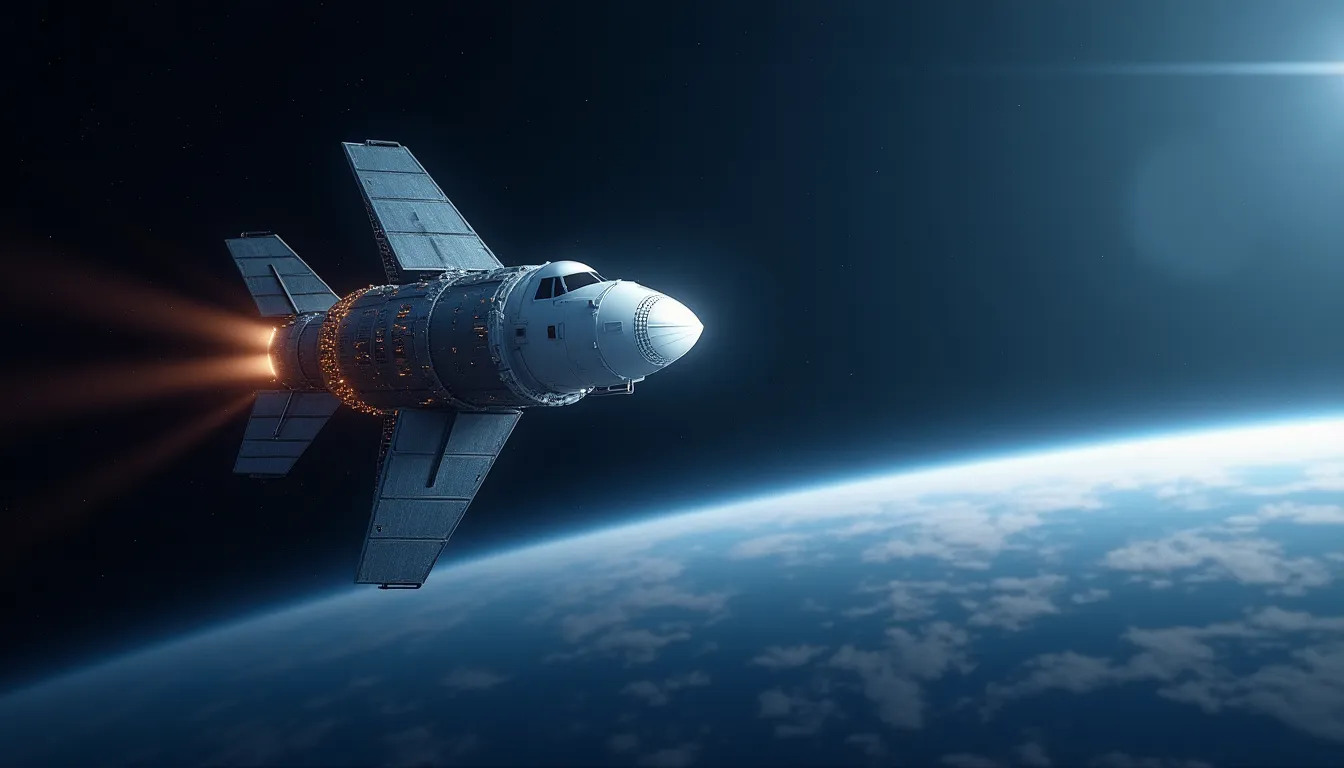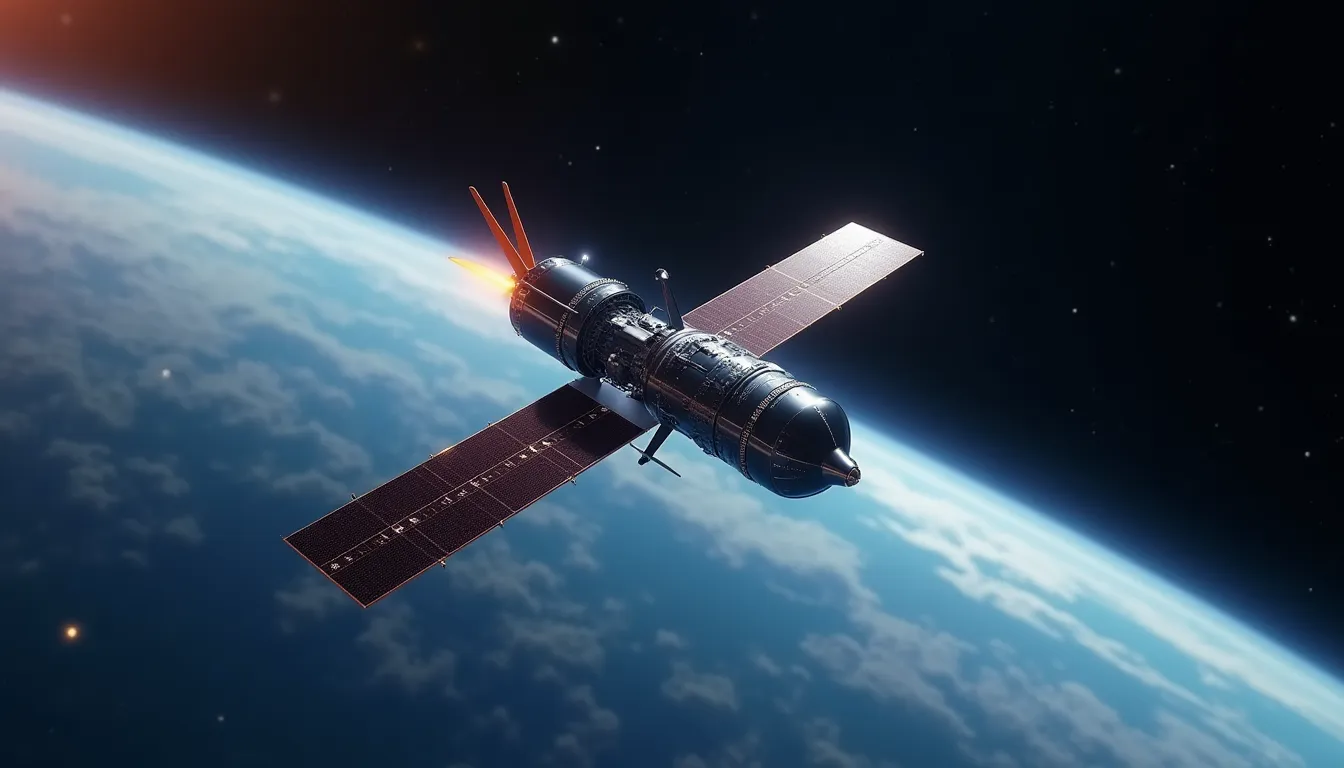
The aerospace and defense industries are experiencing a transformative period characterized by innovations in rocket technology. With an emphasis on missile defense systems, reusable launch vehicles, and hypersonic capabilities, companies are reshaping their strategies to address evolving global security challenges. This article delves into these key developments and their implications for the future of aerospace and defense.
Missile Defense: A Priority for National Security
Missile defense systems have become a cornerstone of modern defense strategies. Lockheed Martin’s PAC-3 MSE and Terminal High Altitude Area Defense (THAAD) systems are at the forefront, having proven effective against advanced missile threats in recent conflicts. As Lockheed Martin states, these systems are “battle-proven” and are integral to the integration of air and missile defense architectures.
The growing complexity of missile threats necessitates advanced intercept technologies. The PAC-3 MSE incorporates a highly maneuverable interceptor that can engage incoming threats at high speeds, thereby enhancing the survivability of critical assets. According to industry experts, this capability is paramount in an era where adversaries are developing faster and more sophisticated missile systems.
The Shift Towards Reusable Launch Vehicles
In an effort to reduce the cost per launch and increase launch frequency, the aerospace sector is investing heavily in reusable launch vehicles. Deloitte’s 2026 Aerospace and Defense Industry Outlook highlights that this shift is not just a trend but a strategic necessity. Reusable launch systems, such as SpaceX’s Falcon 9, have demonstrated the potential to revolutionize access to space, paving the way for commercial ventures and national security missions alike.
Astra’s Rocket 4.0 represents the industry’s response to this demand for rapid and cost-effective launch solutions. Designed for quick iterations to meet the needs of the modern space economy, Rocket 4.0 exemplifies the competition in the small-launch market. Its architecture allows for a streamlined production process, significantly enhancing launch cadence and reducing overall costs.
Hypersonic Systems: The New Frontier
The inclusion of hypersonic weapons in the 2026 outlook signals a focused investment in high-speed propulsion technologies. These systems, capable of traveling at speeds exceeding Mach 5, pose significant challenges for traditional missile defense systems. As defense strategies evolve, the procurement and research into hypersonic technologies have garnered increasing attention.
The development of hypersonic glide vehicles and boost-glide systems requires advanced thermal and kinetic survivability mechanisms. These technological advancements are critical in overcoming the interception capabilities of existing missile defense frameworks, thus reshaping strategic military planning.
Digital Transformation in Aerospace and Defense
Digital engineering has emerged as a vital enabler across the aerospace and defense sectors. Companies are increasingly leveraging AI, additive manufacturing, and digital threads to enhance operational efficiency and competitiveness. PwC’s recent findings indicate that firms must modernize their processes to adapt to supply chain pressures and shifting geopolitical landscapes.
Additive manufacturing, in particular, offers pathways to improve precision and reduce costs in defense production environments. By utilizing advanced techniques such as 3D printing, manufacturers can create complex components that were previously impossible to produce, enabling rapid prototyping and reduced lead times.
Furthermore, the integration of precision accelerometers, such as the Advanced Navigation System, allows for enhanced motion sensing capabilities critical for both missile defense and launch vehicles. These technological advancements provide a competitive edge in the increasingly complex aerospace landscape.
Automation and AI: The Future of Defense Manufacturing
The aerospace and defense industries are also witnessing a rise in automation and AI-driven solutions. The implementation of agentic AI and robotics is revolutionizing manufacturing processes, allowing for greater efficiency and reduced human error. The use of quartz MEMS gyroscopes and advanced sensor modules enables precise measurements and tracking, essential for the successful operation of defense technologies.
As the industry moves towards fully automated production lines, companies are expected to see significant improvements in throughput and operational capabilities, further enhancing their competitiveness in global markets.
Conclusion
The aerospace and defense sectors are on the brink of significant advancements in rocket technology, driven by missile defense needs, reusable launch vehicles, and hypersonic systems. As digital transformation reshapes operational methodologies, companies that prioritize innovation and adaptability will be better positioned to meet the demands of national security and commercial space exploration. The future of aerospace promises a dynamic landscape where technology plays a pivotal role in ensuring safety and efficiency in operations.
References
-
New Technology Trends in Aerospace and Defense Industry [2026] (www.epicflow.com) - 5/6/2026 Key aerospace and defense innovations will include the application of artificial intelligence and agentic AI, immersive technologies, additive …
-
Aerospace & Defense Technology - SAE Media Group (saemediagroup.com) - 3/5/2026 A&DT is the largest-circulation magazine for mil/aero engineers and managers. Through our portfolio of print, digital, online, and custom opportunities.
-
Delivering the Future of Defense Tech | Lockheed Martin (www.lockheedmartin.com) - 3/3/2026 Combat-Proven Missile Defense - PAC-3 MSE and THAAD are battle-proven against recent advanced missile attacks and ready to be integrated into …
-
Aerospace & defense design resources | TI.com - Texas Instruments (www.ti.com) - 2/25/2026 Design smarter, more efficient aerospace and defense applications using our high reliability products and expertise.
-
New Defense Strategy Unveiled (defenseacquisition.substack.com) - 1/24/2026 The Georgia Tech Manufacturing Institute (GTMI) developed a hybrid manufacturing technology that could boost the precision, efficiency, and cost …
-
Aerospace and defense industry trends: PwC (www.pwc.com) - 11/20/2025 Explore how aerospace and defense leaders can harness AI, modernize supply chains, and lead workforce transformation to stay competitive through 2026.
-
2026 Aerospace and Defense Industry Outlook | Deloitte Insights (www.deloitte.com) - 11/13/2025 The A&D industry is rapidly expanding beyond traditional aircraft and weapons systems to include reusable launch vehicles, hypersonic weapons, …
-
Astra Rocket 4.0 | Private Space Launch Company (astra.com) - 7/18/2024 Astra’s Rocket 4.0 is engineered for the demands of the modern space economy. Built on a foundation of rapid iteration and proven performance to deliver …
-
Thales latest development technologies innovations defense … (www.youtube.com) - 7/7/2015 Thales latest development technologies innovations defense aerospace aviation rocket missile radar … Go to channel Gab tech expo · Making a …