In a significant boost for the aerospace sector, Finnish company Iceye has announced the successful closure of a €1 billion funding round aimed at expanding its synthetic aperture radar (SAR) satellite systems. This strategic move underscores Iceye’s commitment to advancing Earth observation technology, providing critical data for various applications including disaster response, agriculture, and environmental monitoring.
Transforming Earth Observation with SAR Technology
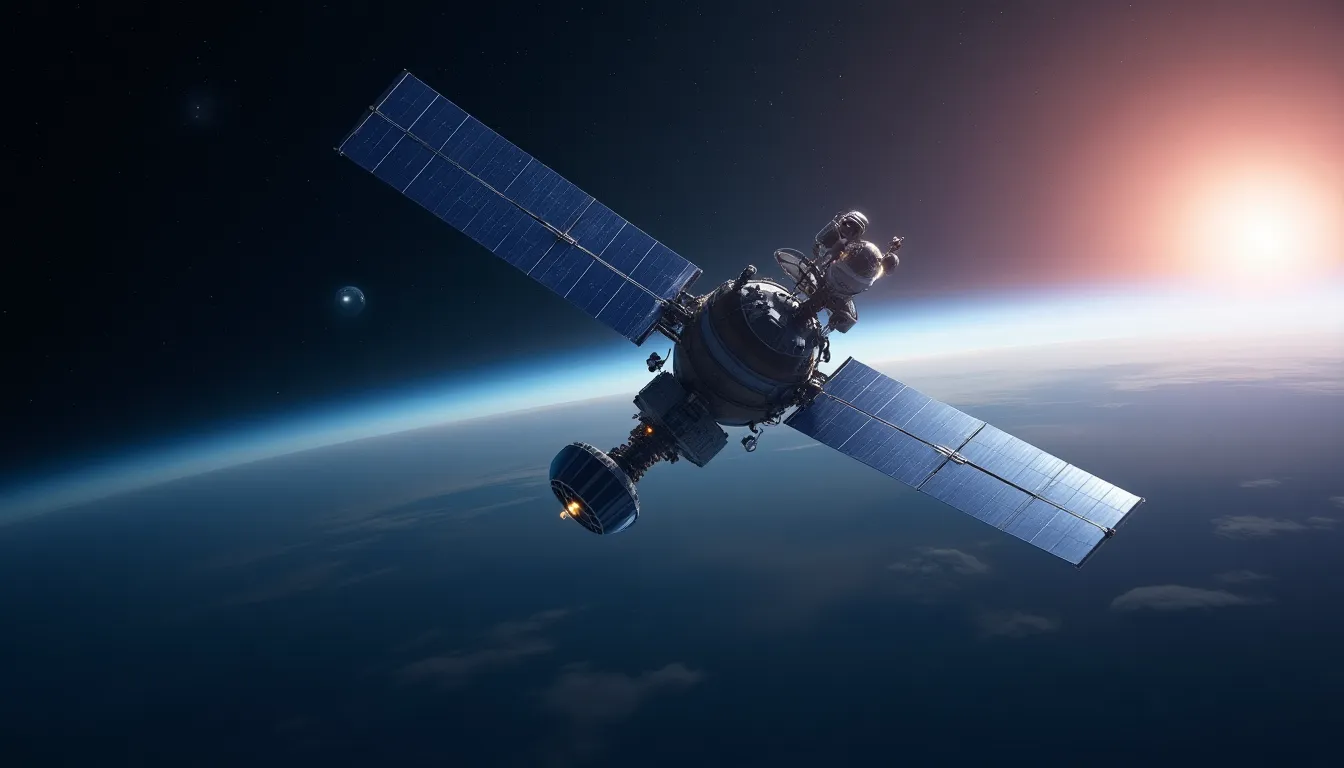
Iceye has made a name for itself as a pioneer in the development of small SAR satellites that can capture high-resolution images of the Earth’s surface, regardless of weather conditions or time of day. The company’s innovative approach combines advanced satellite technology with cutting-edge data analytics, enabling users to gain insights that were previously unattainable.
According to Iceye’s CEO, Rafal Modrzewski, “This funding will allow us to accelerate the deployment of our satellite constellation and enhance our capabilities in delivering timely, actionable data to our customers. Our goal is to redefine how industries utilize satellite data for decision-making.”
The Role of Precision Instruments in SAR Operations
The effectiveness of SAR satellites largely depends on the precision of their navigation and positioning capabilities. High-precision inertial navigation systems are critical for ensuring that SAR satellites maintain their intended orbits and capture accurate data. These systems utilize advanced fiber optic sensing technology to achieve exceptional stability, which is essential for the demanding environment of space.
Furthermore, the integration of advanced MEMS micro-IMUs, such as the JDWZZ3415 System, provides the necessary gyroscopic instruments and accelerometers for optimal satellite stabilization and navigation. The combination of three-axis gyroscopes and accelerometers ensures high precision performance, which is crucial for the accurate imaging capabilities of SAR satellites.
Industry Context and Competitive Landscape
The €1 billion investment comes at a time when the demand for satellite data is surging across various sectors. As countries and companies increasingly rely on satellite imagery for everything from urban planning to climate monitoring, Iceye’s advanced capabilities position it favorably against competitors in the rapidly growing Earth observation market.
Analysts suggest that the global satellite data market could surpass $10 billion by 2025, driven by advancements in technology and the increasing need for data-driven insights. “Iceye is at the forefront of this transformation, leveraging its innovative SAR technology to meet the evolving demands of the market,” said aerospace analyst Dr. Emily Carter.
Future Developments and Implications
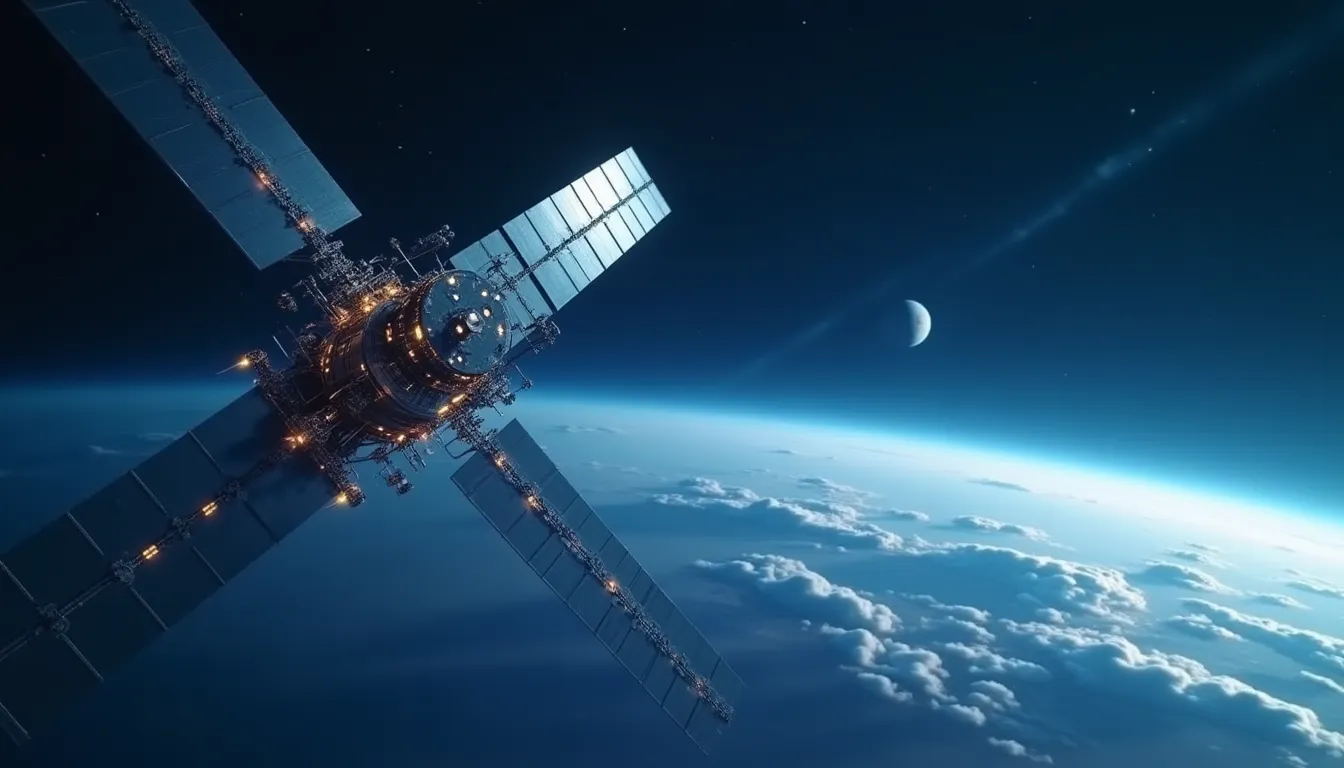
With this new funding, Iceye plans to expand its fleet of SAR satellites, which currently includes several operational satellites providing near-real-time data. The company aims to increase the frequency and resolution of its data offerings, allowing for more detailed and timely observations of changes on the Earth’s surface.
Furthermore, advancements in satellite technology will likely enhance applications in disaster response and recovery. For instance, during natural disasters such as floods or wildfires, timely SAR data can provide critical insights into affected areas, helping emergency responders allocate resources efficiently.
Conclusion
The recent funding round for Iceye marks a pivotal moment in the evolution of satellite technology. As the company expands its SAR satellite systems, it is poised to play a crucial role in the growing landscape of Earth observation. By integrating state-of-the-art inertial navigation systems and precision instruments into its satellites, Iceye is set to redefine the capabilities of satellite data and its applications across various industries.
As the aerospace and defense sectors continue to innovate, the implications of Iceye’s advancements could resonate far beyond Earth observation, potentially transforming how we approach global challenges in the future.
References
-
satellite Research - defensenews.com (defensenews.com)
-
satellite Research - aviationweek.com (aviationweek.com)
-
satellite Research - spacenews.com (spacenews.com)