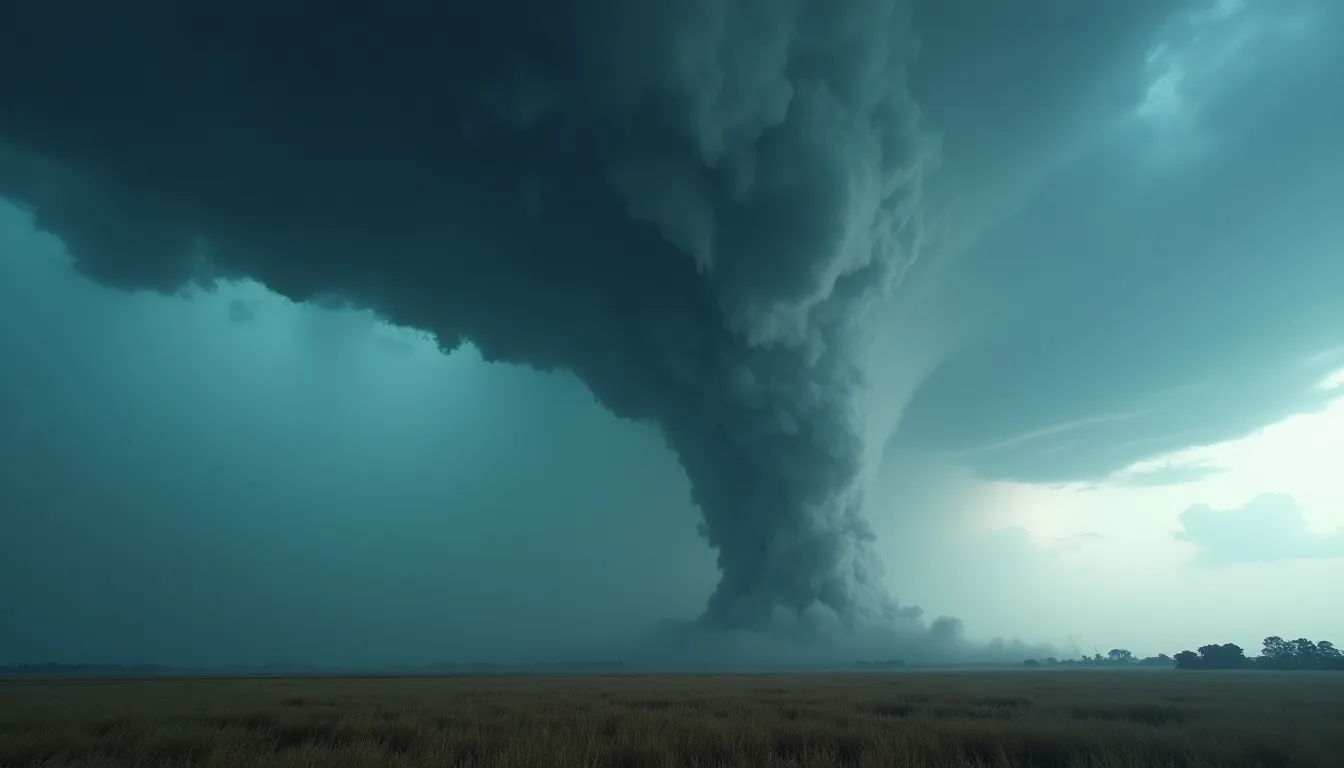
The aerospace and defense sectors are witnessing significant advancements in tornado research and aircraft operations. New technologies, particularly uncrewed aircraft systems (UAS), are transforming how meteorological data is collected, while legacy combat aircraft like the Panavia Tornado face modernization challenges. This article explores the latest developments in tornado research and the operational status of the Tornado aircraft.
Advancements in Tornado Research with Uncrewed Aircraft Systems
Recent initiatives by the National Oceanic and Atmospheric Administration’s National Severe Storms Laboratory (NOAA/NSSL) highlight the transition from traditional storm-chasing methods to more sophisticated UAS technologies. These unmanned systems are designed to collect critical meteorological data from within and around tornadoes, significantly enhancing the safety and effectiveness of storm observation.
Enhanced Data Collection Capabilities
The UAS employed in tornado research are equipped with advanced sensor modules that include temperature, pressure, humidity, and wind speed sensors. These sensors are capable of operating in hazardous environments where manned aircraft would be at significant risk. The potential for swarm-based operations further expands the capabilities of these systems by allowing for a distributed sensing architecture that can cover larger areas and provide more comprehensive data on severe weather conditions.
According to NOAA NSSL, this shift towards autonomous platforms not only improves data quality in high-risk areas but also promises to enhance the overall understanding of tornado dynamics.
Improving Tornado Forecasting with Autonomous Drones
Aerospace America has reported on ongoing research involving the RAAVEN platform, which aims to improve tornado forecasting and increase warning lead times. Traditionally, the average warning time for tornadoes has hovered around just 15 minutes, a timeframe that is often insufficient for effective public safety measures.
The “Warn on Forecast” Initiative
Linked to NOAA’s “Warn on Forecast” initiative, this research seeks to extend warning lead times to potentially around one hour. By utilizing high-fidelity atmospheric data captured by autonomous drones, researchers can significantly enhance storm-scale data assimilation and forecasting models.
This improvement in forecasting accuracy could lead to better preparedness and response strategies, ultimately saving lives and mitigating property damage during severe weather events.
Challenges Facing the German Tornado Fleet
While advancements in tornado research are promising, the military’s Tornado aircraft, notably the German fleet, is facing significant operational challenges. Recent reports indicate ongoing issues with the aircraft’s night-operations capabilities due to cockpit lighting that is incompatible with night-vision goggles.
Certification Bottlenecks and Support Needs
Certification issues are further compounded by staffing shortages within the certification office and difficulties in obtaining necessary vendor documentation. These challenges hinder the operational rollout of fixes that could enhance night-time mission capabilities.
Moreover, Germany continues to seek U.S. base services and logistics support for Tornado training operations at Holloman Air Force Base in New Mexico, underscoring the aircraft’s dependence on international training and sustainment infrastructure, even as the fleet ages.
Italian Tornado Modernization: A Success Story
In contrast, Italy’s approach to the Tornado aircraft has been framed as a technological success. The modernization of 25 Tornado aircraft, including IDS and ECR variants, has incorporated advanced avionics and enhanced operational capabilities. This modernization effort demonstrates how legacy combat aircraft can be effectively upgraded to remain relevant in contemporary operational environments.
Strategic Upgrades and Operational Relevance
The upgrades not only extend the lifespan of these aircraft but also ensure they meet current operational demands. Italian defense contractor Leonardo highlights this modernization as a key achievement, showcasing the potential for technological advancements to breathe new life into older platforms.
Tornado Damage and Infrastructure Resilience
Beyond aircraft and research, tornado impacts on defense infrastructure remain a pressing concern. Lambert Air National Guard Base in Missouri recently suffered over $10.3 million in damages from a tornado, emphasizing the need for robust recovery planning and resilience strategies within the defense sector.
Operational Continuity and Base Resilience
Such disasters illustrate the ongoing challenges faced by military installations in maintaining operational continuity in the face of severe weather events. The emphasis on resilience planning is crucial for ensuring that bases can recover swiftly and continue their essential functions.
Conclusion
The intersection of advanced technology and operational challenges is transforming tornado research and the management of legacy aircraft. As UAS technologies revolutionize meteorological data collection, the military must navigate modernization hurdles to maintain the effectiveness of its fleet. The future of tornado research and defense operations lies in the continued integration of innovative technologies that enhance safety, efficiency, and preparedness against natural disasters. The advancements in tornado forecasting will ultimately serve to protect lives and infrastructure in the face of unpredictable weather events.
References
-
Durand Lecture Highlights 30-Year Journey Deploying Autonomous … (aerospaceamerica.aiaa.org) - 1/13/2026 “When we think of drones, we think of surveillance, not flying into tornadoes,” said Nielsen, past president of AIAA and current director and …
-
NSSL Advances Tornado Research with Uncrewed Aircraft Systems (inside.nssl.noaa.gov) - 11/20/2025 The role of UAS in tornado research is still evolving, and NSSL is committed to exploring its full potential. Future projects may involve swarms …
-
ECR: a technological and operative success in the Italian story of the … (www.leonardo.com) - 2/10/2021 25 Tornado aircraft (10 IDS and 15 ECR) were upgraded to this advanced standard, introducing new avionics systems and increasing the number and …
-
German ‘Tornados’ still struggling with night ops - Defense News (www.defensenews.com) - 4/11/2018 Germany’s Tornado aircraft are still behind the curve when it comes to the critical capability of night vision, the defense ministry has told lawmakers.
-
Germany Seeks US Tornado Aircraft Training and Logistics Support (www.airforce-technology.com) - 6/20/2011 The US Defense Security Cooperation Agency has notified Congress of a possible foreign military sale to provide base services for German Air …
-
Wind River, Smiths Aerospace, & Ada Core Team Up for Tornado … (www.windriver.com) - 5/16/2002 Wind River Partners with Smiths Aerospace and Ada Core Technologies to Deliver Tornado for Safety Critical Systems. ALAMEDA, Calif., May 16, …
-
Tornado damage to Lambert Air National Guard base tops $10 million (www.nationalguard.mil) The Good Friday tornado that cut a 22-mile swath of destruction across the St. Louis area caused more than $10 million in damage to the Missouri Air National …
-
Breaking Defense - Defense technology, policy and national security … (breakingdefense.com) Pentagon considers restoring Army aviation cuts. Pentagon reporter Ashley Roque shares three things to know about the U.S. Army’s latest aviation plans.