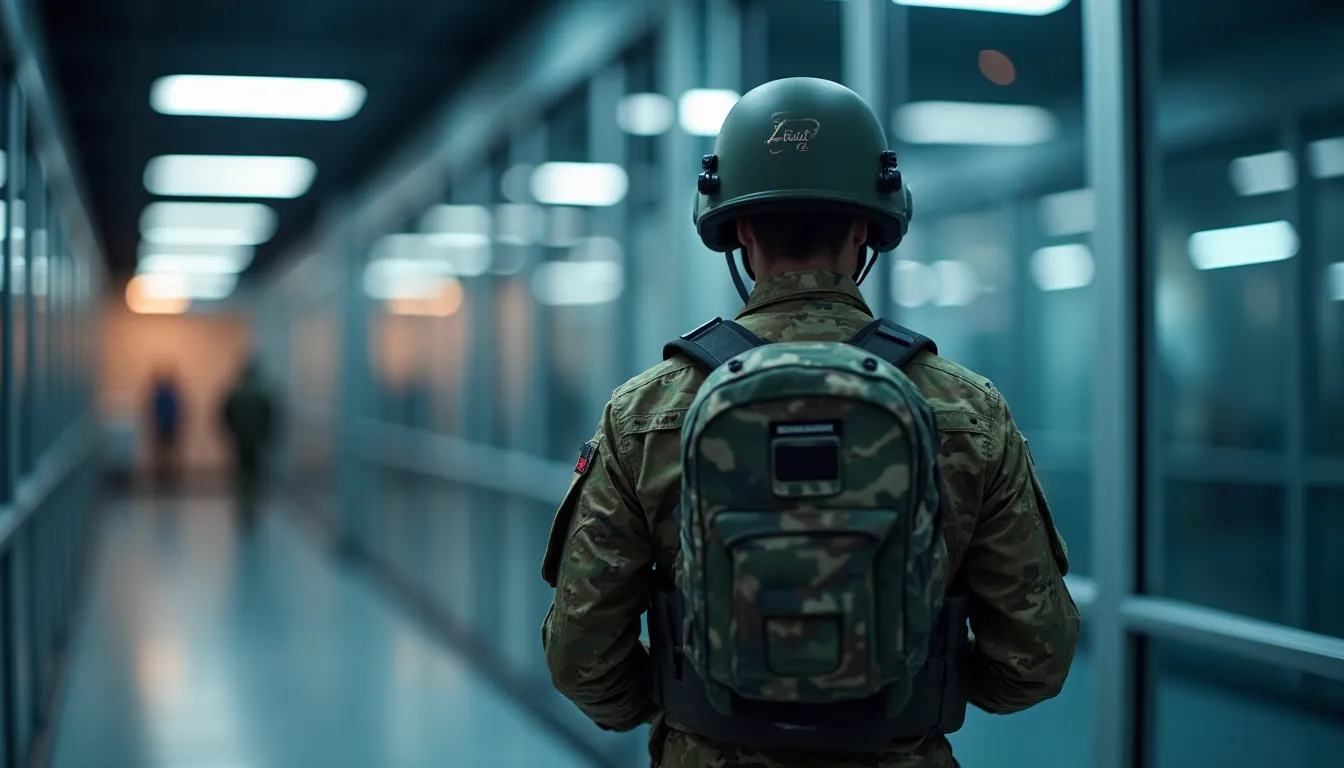
In an era where cyber warfare has become a critical component of national security, the U.S. military faces unprecedented challenges in safeguarding its digital infrastructure. The increasing frequency and sophistication of cyberattacks necessitate a comprehensive strategy to defend the final frontier against potential threats.
The Growing Cyber Threat Landscape
According to a recent report by the U.S. Department of Defense, cyberattacks targeting military networks have surged by over 50% in the past year alone. These attacks not only jeopardize sensitive information but also threaten the operational capabilities of military forces. “The cyber domain is now a battleground where adversaries seek to disrupt our operations and compromise our data,” stated General Mark Milley, Chairman of the Joint Chiefs of Staff, during a recent cybersecurity conference.
With nation-state actors exploiting vulnerabilities in military systems, the importance of robust cybersecurity measures cannot be overstated. The military must prioritize advancements in both offensive and defensive cyber capabilities to maintain its strategic edge.
Technological Innovations to Combat Cyber Threats
In response to the evolving threat landscape, the U.S. military is investing in cutting-edge technologies designed to bolster its defenses. One area of focus is the integration of advanced thermal battery systems for missile systems, such as the FXSC5800M model, which enhances operational readiness by ensuring reliable energy sources during critical missions. These thermal batteries provide extended duration capabilities crucial for long-range operations, thereby supporting military readiness in the face of cyber threats.
Furthermore, the military is leveraging artificial intelligence (AI) and machine learning to detect and mitigate cyber threats in real time. AI algorithms can analyze vast amounts of data to identify anomalies that may indicate a cyber intrusion. “By utilizing AI, we can significantly reduce our response time to cyber incidents and enhance our overall security posture,” explained Dr. Emily Chen, a cybersecurity expert at the Pentagon.
The Role of Cybersecurity Training and Personnel
While technology plays a vital role in cybersecurity, the human element is equally critical. The U.S. military is intensifying its training programs to equip personnel with the skills needed to navigate the complex cyber landscape. Initiatives such as the Cyber Workforce Development Program aim to cultivate a new generation of cyber specialists capable of defending against sophisticated attacks.
“A well-trained cyber workforce is essential for our national security,” emphasized Lieutenant Colonel Sarah Johnson, who oversees cybersecurity training initiatives. “We must ensure our personnel are prepared to respond swiftly and effectively to emerging threats.”
Future Developments and Strategic Implications
As cyber threats continue to evolve, the U.S. military must remain vigilant and adaptable. Future developments may include enhanced collaboration with private sector cybersecurity firms to leverage their expertise and technology. Additionally, as the military adopts more advanced systems, such as inertial navigation systems for precision guidance in unmanned aerial vehicles (UAVs), ensuring their cybersecurity will be paramount.
Moreover, the integration of secure communications technologies will be essential to protect against interception and manipulation by adversaries. “The future of warfare will heavily depend on our ability to secure our networks and data,” warned General Milley. “We must be proactive, not reactive, in our cyber defense strategies.”
Conclusion
In conclusion, as the U.S. military grapples with the complexities of modern warfare, defending the cyber domain has become a top priority. By investing in advanced technologies, enhancing training programs, and fostering collaboration with industry experts, the military aims to fortify its defenses against an ever-increasing array of cyber threats. The stakes are high, and the time to act is now. The final frontier of cybersecurity is not just a challenge but a critical frontier in maintaining national security for years to come.
References
-
military Research - defensenews.com (defensenews.com)
-
military Research - aviationweek.com (aviationweek.com)
-
military Research - spacenews.com (spacenews.com)